Tinned copper is one of the most common conductor questions B2B buyers raise when specifying cable assemblies: is the tin coating worth the premium over bare copper, and under which conditions does it actually pay off? The short answer is that bare copper remains the right default for most indoor, dry and cost-sensitive products, while tinned copper wins wherever moisture, salt spray, high temperature or long storage life are involved. This guide explains how the two conductor types differ, where each belongs, and exactly what to write in your cable RFQ so suppliers quote the right construction the first time.
What Is Tinned Copper and How Is It Made?
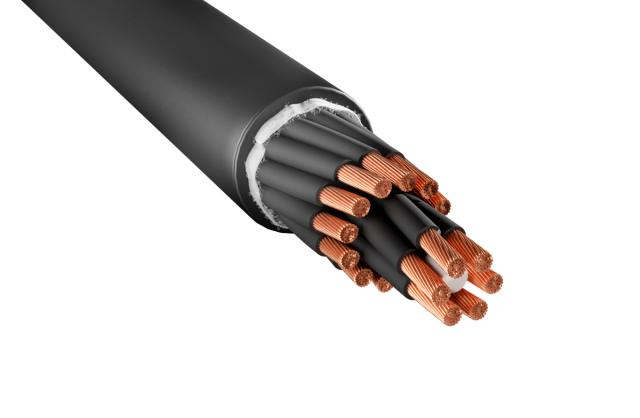
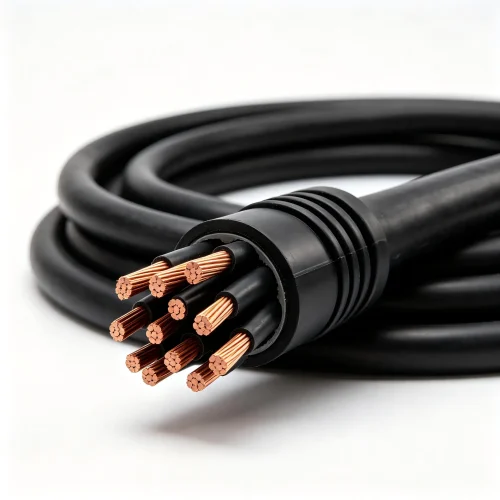
Bare copper is drawn copper wire with no metallic coating. It is the standard conductor in the majority of power, data and signal cables, and its electrical properties are the industry reference point. Tinned copper starts as the same electrolytic copper strand, but each strand is then coated with a thin layer of pure tin, typically a few microns thick, by hot-dipping or electroplating. The tin layer does not meaningfully change conductivity; it changes how the conductor surface behaves after years of exposure and hundreds of handling cycles.
In practice the tin acts as a protective barrier. Copper oxidizes readily, and copper oxide is electrically resistive at contact points, which raises termination resistance over time. Tin forms a thin, adherent oxide that is easily displaced during crimping or soldering, so joints stay low-resistance for much longer. That single material difference drives most of the decisions in the table below. For a related but separate decision, note that connector contact plating (gold, tin or nickel on the connector itself) is a different layer of the same question, which we cover in our connector plating guide.
Tinned vs Bare Copper: Specification Comparison
| Property | Bare Copper | Tinned Copper |
|---|---|---|
| Oxidation in humid or salt-laden air | Oxidizes visibly; contact resistance rises | Tin layer resists oxidation and galvanic attack |
| Solderability | Good, but oxides must be removed with flux | Excellent; wets quickly with mild flux |
| Termination resistance over time | Drifts upward as oxide builds under terminals | Remains stable |
| Typical temperature ceiling | Limited by insulation, copper fine to 105 °C class | Commonly specified to 150 °C with matching insulation |
| Conductor cost | Baseline | Roughly +5–15% on the conductor |
| Typical applications | Building wire, indoor equipment, patch cords | Marine, washdown, solar, high-temp appliances |
When Bare Copper Is the Right Choice
Bare copper is not a compromise choice; for most projects it is simply the correct one. Specify bare strands when all of the following are true:
- The cable operates indoors in a dry, climate-controlled environment.
- Terminations are crimped or soldered soon after manufacture, not after years on a shelf.
- The product is cost-sensitive and built in volume, where every cent of bill-of-materials matters.
- There is no salt spray, condensation, detergent washdown or industrial chemical exposure.
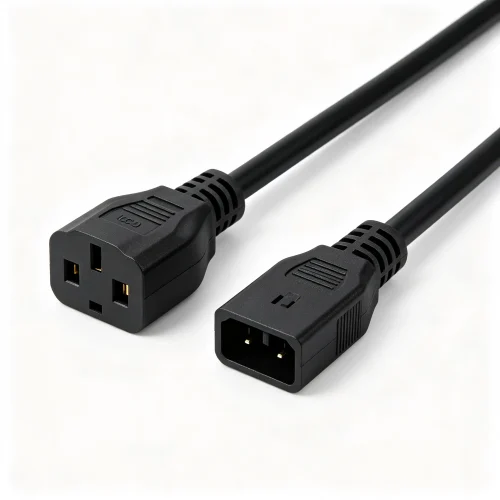
Consumer and office equipment, standard 电源线和电源电缆, and most patch cords fall squarely into this category. If your product ships, is installed and energized within months, bare copper gives identical electrical performance at the lowest cost.
When Tinned Copper Wire Pays Off
Humid, salty or corrosive environments
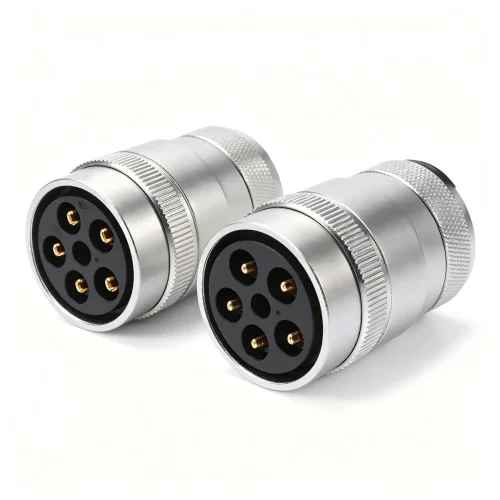
Coastal installations, marine electronics, food and beverage washdown lines and outdoor enclosures all attack bare copper quickly. Tin plating slows oxidation dramatically, which is why marine and industrial standards in these sectors routinely call for tinned conductors. Pair the conductor choice with sealed panel mount waterproof connectors so the termination is protected as well as the wire.
High-temperature applications
At elevated temperatures copper oxidizes far faster, and the oxide layer degrades both crimps and solder joints. Tinned conductors combined with high-temperature insulation are the standard recipe for appliance and industrial heating assemblies.
Long storage or slow-moving inventory
If cables sit in a warehouse for a year or more before use, bare copper can oxidize enough to complicate field termination. Tinned wire tolerates long shelf life, which matters for service kits, spare-part stock and project pipelines with staged deliveries.
Dissimilar-metal terminations
Where bare copper meets tin-plated terminals, the copper side oxidizes while the terminal side does not, creating an uneven joint surface over time. Matching a tinned conductor to tin-plated hardware keeps the galvanic couple consistent, a detail that matters in vibration-prone industrial equipment.
Does Tinning Change Electrical Performance?
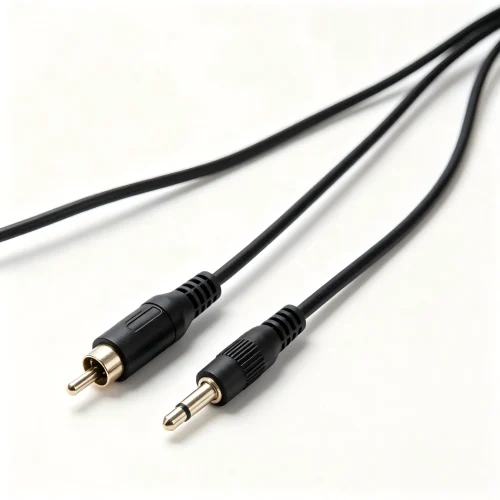
For power-frequency and digital-signal use, no. The tin layer is extremely thin relative to the conductor diameter, so DC and AC resistance at 50/60 Hz change by a negligible fraction. At radio frequencies current crowds toward the conductor surface, but professional RF designs specify dedicated plated conductors anyway; tinned copper is not a substitute for a proper RF construction. The honest trade-offs are mechanical and economic, not electrical: slightly reduced strand flexibility over many micro-movements and the conductor cost premium discussed below. Signal integrity concerns belong to shielding and cable geometry, as covered in our guide to 音频线 and shielded constructions.
What Tinned Copper Costs in an RFQ
The tin coating adds roughly five to fifteen percent to conductor cost. Because conductors typically represent about a third to half of a finished cable’s material cost, the premium at cable level is usually only a few percent. Reputable manufacturers will quote both variants side by side on request, which is the fastest way to see the real impact on your unit economics rather than guessing from a datasheet.
How to Specify Conductor Plating in Your RFQ
Use this checklist in your next serial, industrial or custom cable inquiry — for example when sourcing 串行和工业通信电缆 — so quotations are directly comparable:
- State bare or tinned explicitly; never leave conductor plating blank.
- Reference the applicable standard, for example ASTM B33 for tinned copper or ASTM B8 for stranded bare copper, per tinning practice.
- Define the environment: humidity, salt spray, temperature range and chemical exposure.
- State the termination method (crimp, solder, IDC) so plating matches the hardware.
- Request both bare and tinned options priced separately for comparison.
- Ask for cross-section or eddy-current verification of plating thickness on first-article samples.
The most expensive mistake is silence: buyers who leave plating unspecified receive whatever the factory defaults to, and two suppliers may quote different constructions that look identical on paper. One written line in the RFQ eliminates the ambiguity entirely.
Still unsure which conductor your application needs? 联系我们的工程团队 with your environment, temperature range and termination details, and we will recommend and quote the right construction within one business day.