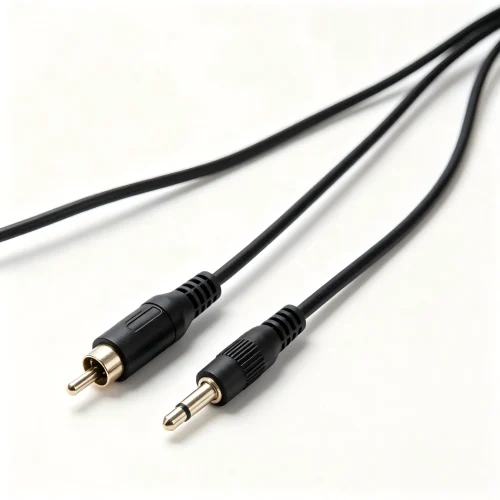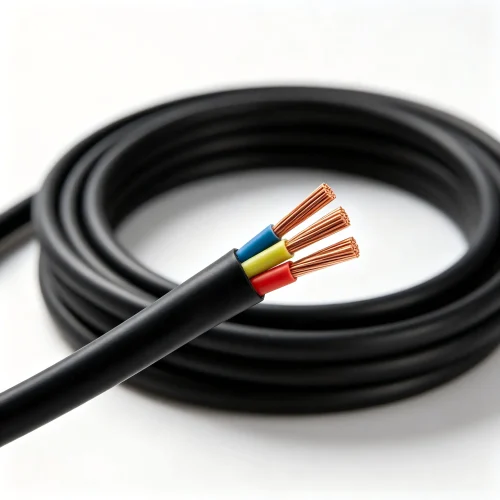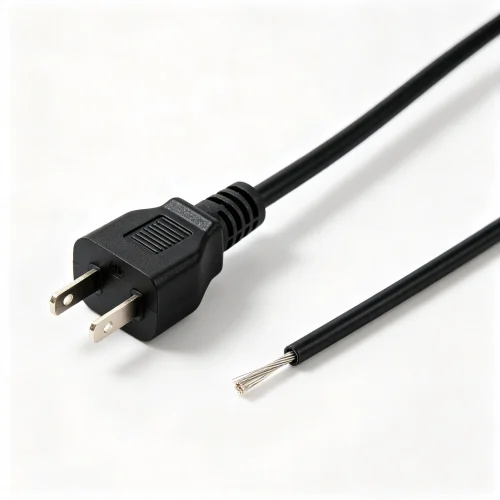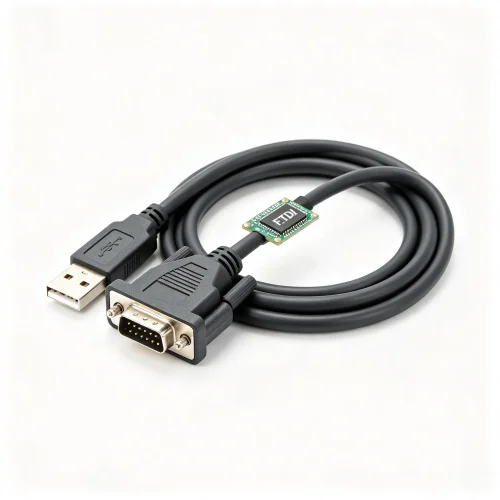
Cable pulling is where most wire and cable failures are decided—long before a system
ever powers on. A cable that is pulled too hard, bent too sharply, or packed too tightly
into a conduit will degrade invisibly and then fail under load. For B2B buyers specifying
industrial, network, or power cabling, understanding the rules of correct cable pulling
and installation is the cheapest insurance you can buy.
Why Cable Pulling Quality Protects Your Investment
The conductors, insulation, and shielding inside every cable are engineered for a
specific mechanical envelope. Exceed the bend radius or the rated pull tension and you
permanently distort that envelope. Stranded conductors work-harden and break, insulation
develops micro-cracks, and shields lose coverage. None of this shows up on a basic
continuity test, yet all of it shortens service life. Good cable pulling discipline keeps
the manufactured performance equal to the rated performance.
Cable Pulling Best Practices: Plan the Route First
The single biggest mistake in cable pulling is treating the route as an afterthought.
Before a single cable moves, map the path: count the bends, measure the straight runs,
note every penetration, and confirm the conduit or tray is actually sized for the bundle.
A planned route lets you calculate the maximum pulling tension in advance instead of
discovering it mid-pull when the cable is already strained. For long runs, use a
fish tape 或 pulling tape and a properly sized leader rather than
yanking the cable head directly.

Bend Radius and Sidewall Pressure Reference
Bend radius is the minimum radius a cable may be formed around without damaging it.
As a rule of thumb, multi-conductor power and control cables need a bend radius of
roughly 6–10× the overall cable diameter during installation; fiber and coaxial
constructs are far less forgiving. Sidewall pressure—the force pressing the cable
against the inside of a bend—grows with tension and shrinkts with bend radius, so the two
limits must be checked together.
| Cable type | Min. install bend radius | Pull-tension note |
|---|---|---|
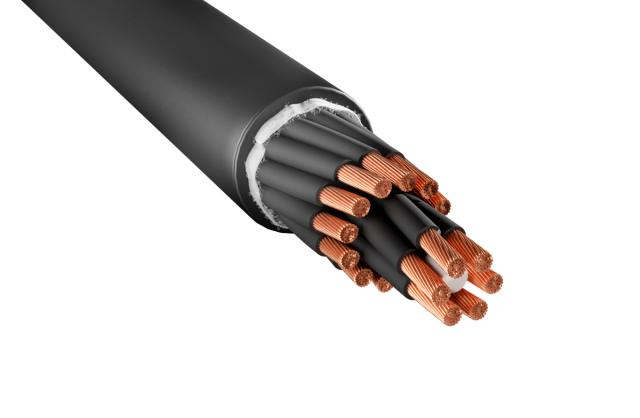
| Multi-conductor control / power | 6–10 × OD | Limit to rated max tension; use rollers |
| Cat5e / Cat6 / Cat6A copper | 4 × OD (4-pair) | Keep under 25 lb (11 kg) per pull |
| Fiber optic (indoor tight buffer) | 10 × OD | Never pull on the fiber; use strength member |
| Coaxial (RG / triax) | 10 × OD | Avoid crushing the dielectric |
These are starting ranges; always confirm against the manufacturer’s published rating
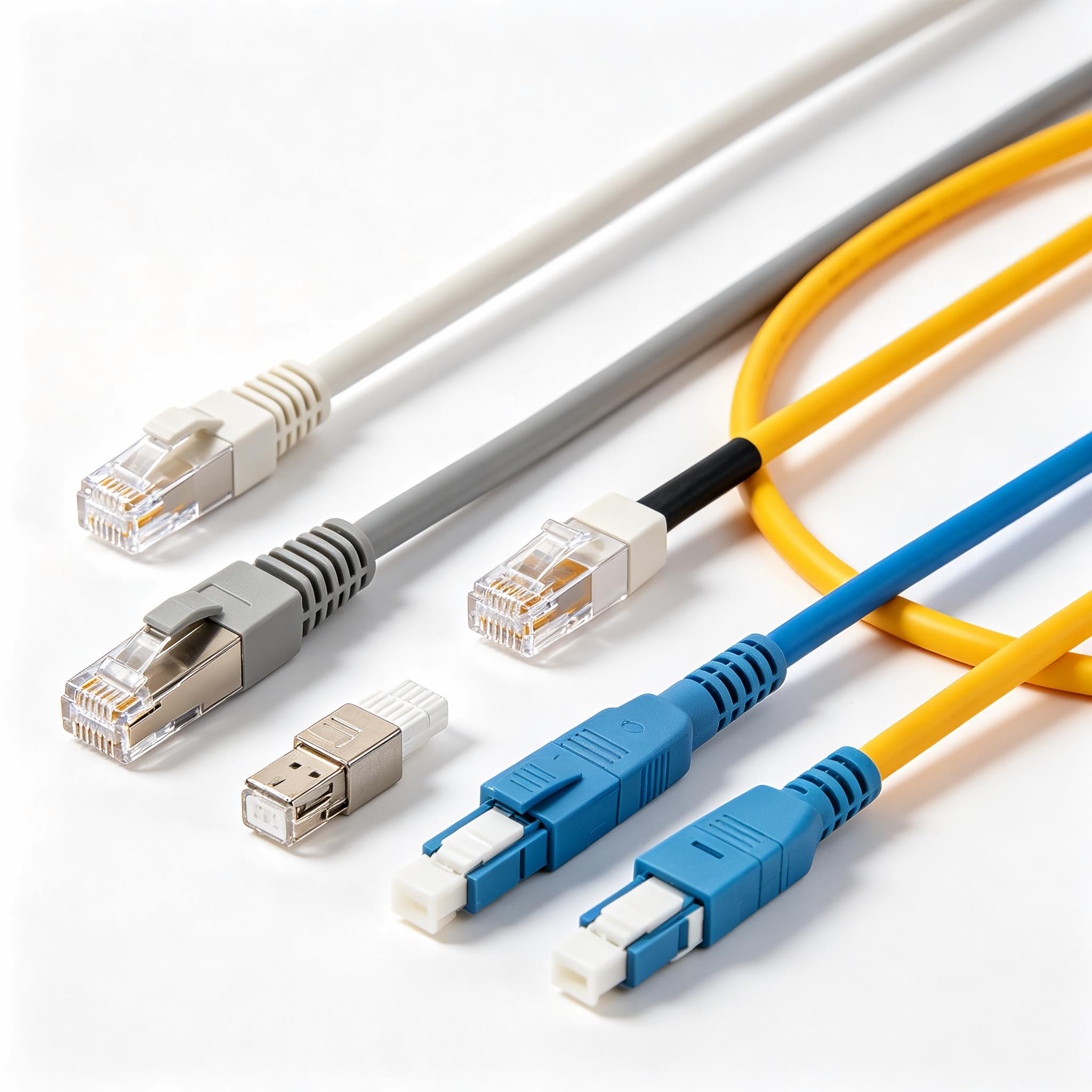
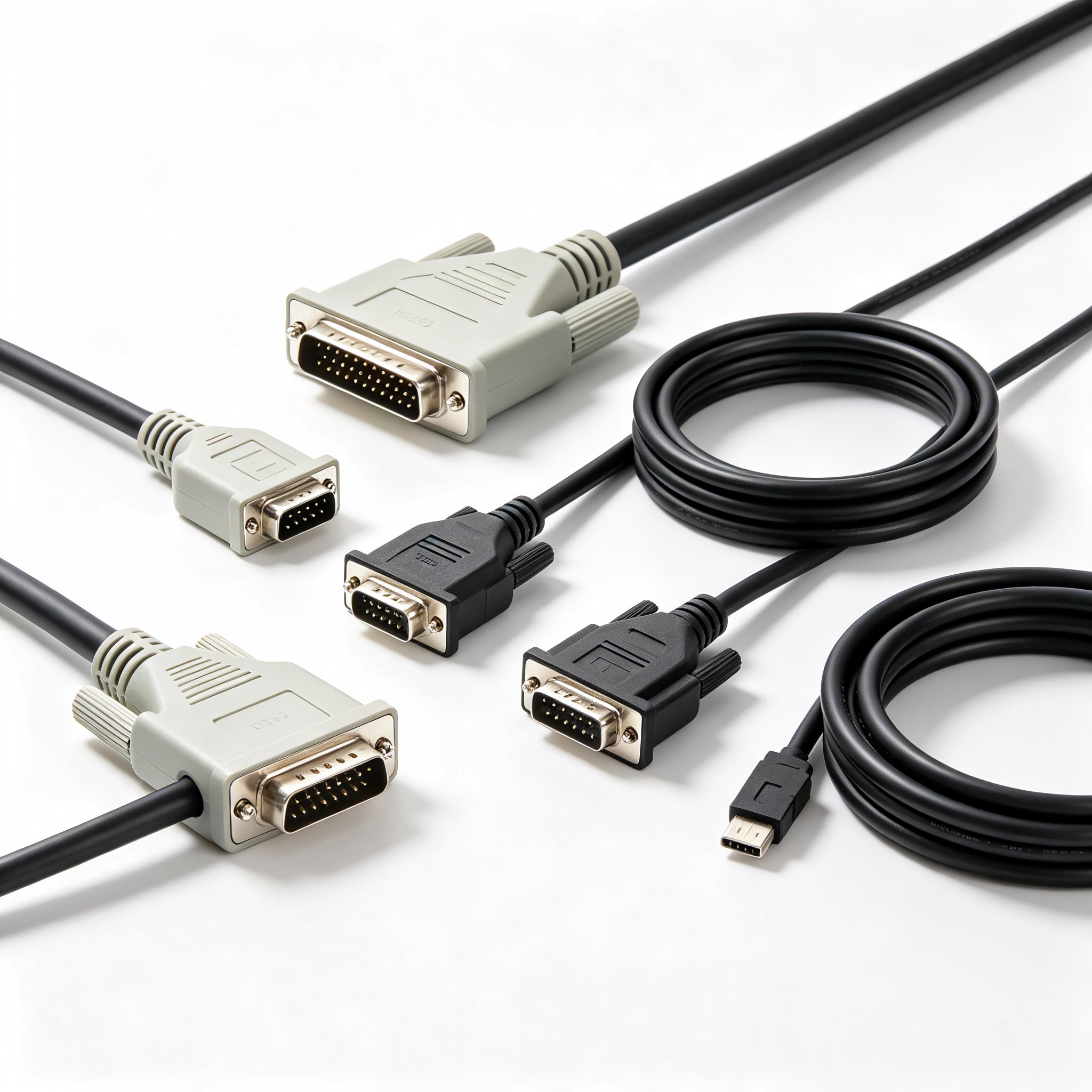
for the exact construction you ordered. Our 网络与光纤电缆
和 串行和工业通信电缆
ship with installation bend-radius data on request.
Conduit Fill and Cable Tray Loading
Overfilling a conduit is the silent killer of cable pulling. The more cable you pack
into a run, the higher the friction and the lower your achievable pull length. National
and regional wiring methods cap conduit fill—commonly around 40% of cross-sectional area
for three or more conductors—precisely so pulls stay safe and cool. Cable trays follow
different, load-based limits. Respecting these ratios is also what lets a future
maintenance pull happen without reaming the entire route.
| Conduit fill scenario | Typical max area fill | Why it matters for pulling |
|---|---|---|
| 1 conductor | ~53% | Lowest friction; easiest pull |
| 2 conductors | ~31% | Moderate; watch for crossovers |
| 3+ conductors | ~40% | Standard trade limit; plan bundles |
For tray and ladder routing, keep bundles separated by signal class—power,
power cords,
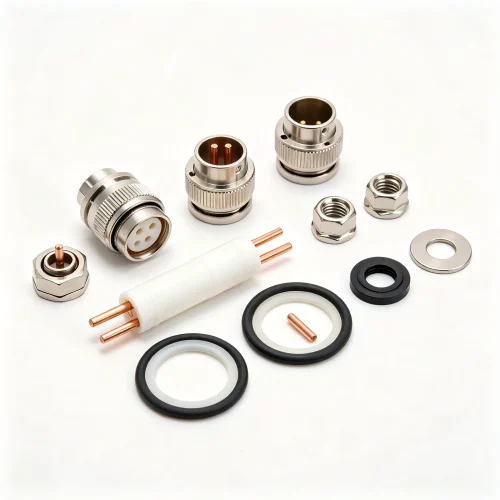
和 outdoor/waterproof connectors—
to preserve noise immunity and simplify later tracing.
Lubrication, Tension, and Pulling Speed
Use a compatible cable-pulling lubricant on long or tight runs; it cuts friction
dramatically and reduces the peak tension at the pulling end. Pull at a steady, moderate
speed—jerking multiplies instantaneous tension and can snap a conductor or separate a
shield. Monitor tension with a dynamometer on critical pulls, and never exceed the
cable’s rated maximum. If the cable stops moving, stop pulling; do not increase force to
“power through” a snag.
Watch the Entry and Exit Points
Most damage happens at the first and last bend, not in the middle of a straight run.
Use wide-radius conduit elbows, entrance bushings, and rollers so the cable bends
gradually instead of scraping against a sharp metal lip.
Common Cable Pulling Mistakes to Avoid
- Pulling by the conductors instead of the strength member—on fiber and
some composite cables this immediately destroys the assembly. - Skipping lubricant on long runs—friction compounds with length and
quietly exceeds the safe tension. - Stacking bends back-to-back—two 90° bends with no straight section
between them spikes sidewall pressure. - Mixing signal classes in one tight bundle—invites EMI and makes
tracing a nightmare. - Reusing a kinked or abraded cable—once the jacket or shield is
compromised, the failure is already scheduled.
Specify Cable Pulling Requirements in Your RFQ
When you request a quote, tell your supplier the real installation conditions so the
cable is built for them: total run length and number of bends, conduit or tray size and
fill, operating temperature and exposure (oil, UV, water), and any flex or
drag-chain duty. Suppliers who understand installation will recommend the right jacket,
armor, and strain relief up front—saving a costly re-pull later. For a structured
template, see our custom cable RFQ template.
Work With a Cable Partner Who Knows Installation
The cheapest cable is the one that is still working in year ten. Partner with a
manufacturer that documents bend radius, pull tension, and fill ratios for every
construction and stands behind the installation guidance. Good cable pulling practice is
a shared responsibility between the specifier, the installer, and the supplier.
Need a cable built and documented for your exact pull? Contact our
engineering team for a specification review and a quote.
Further reading on structured cable routing limits:
Cable tray
在维基百科上。.