
HDMI 2.1 vs 2.0: What Actually Changed for Buyers
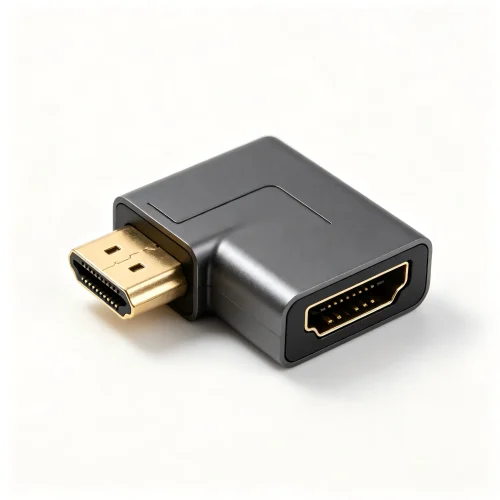
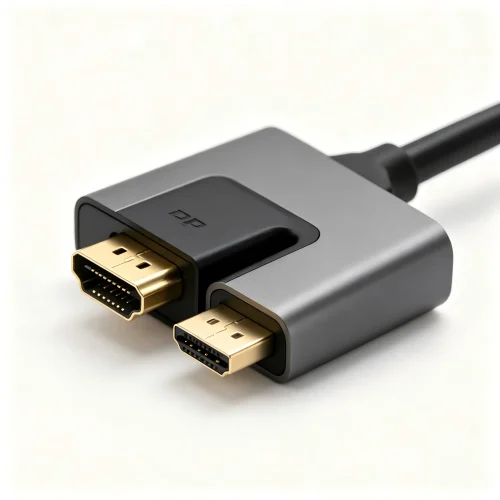
HDMI 2.1 vs 2.0 is the spec decision that drives most display-cable budgets before a single metre is ordered. HDMI 2.1 widened the pipeline, but most buyers do not need every feature—and over-specifying wastes budget. Here is the procurement-relevant difference, not the marketing sheet. For the full video cable range see our catalog; this guide focuses on the HDMI cables decision.

For the official interface specification, see HDMI Licensing Administrator.
The Specs That Matter at the PO Stage
| Feature | HDMI 2.0 | HDMI 2.1 | Buy when |
|---|---|---|---|
| Max bandwidth | 18 Gbps | 48 Gbps | Need >18 Gbps |
| Resolution@rate | 4K@60Hz | 8K@60 / 4K@120 | 8K or 120Hz |
| eARC | ARC | eARC | High-end audio |
| VRR/ALLM | No | Yes | Gaming/displays |
The Hidden Constraint: Cable Length
48 Gbps over passive copper drops off sharply past ~3 m. Beyond that you need active or fibre-optic HDMI. Spec it: state run length first, then pick passive vs active—never the other way round.
A 3-Question Decision Rule
- Will the display exceed 4K@60Hz or 8K? → HDMI 2.1.
- Is the run longer than 3 m at full bandwidth? → active/fibre HDMI 2.1.
- Is this 4K@60 signage or conference room? → HDMI 2.0 is enough and cheaper.
Don’t Pay for Labels You Can’t Use
A “48G” cable on a 4K@60 source delivers nothing extra. Match the cable tier to the weakest device in the chain. Need a verified bill of materials for a tender? Request a spec sheet and we’ll confirm certification and length options.
Related Reading
- More cable & connectivity insights on the SYY Cable blog
- Cat5e vs Cat6 vs Cat6a: Which Ethernet Cable to Specify in 2026 (Cost & Use-Case Table)
- Waterproof Connector Sourcing Checklist: IP Rating, Pins, Wire Gauge & Certification
- RS485 vs RS232 vs RS422: Wiring, Termination & Distance Limits for Industrial Networks




























6 回复