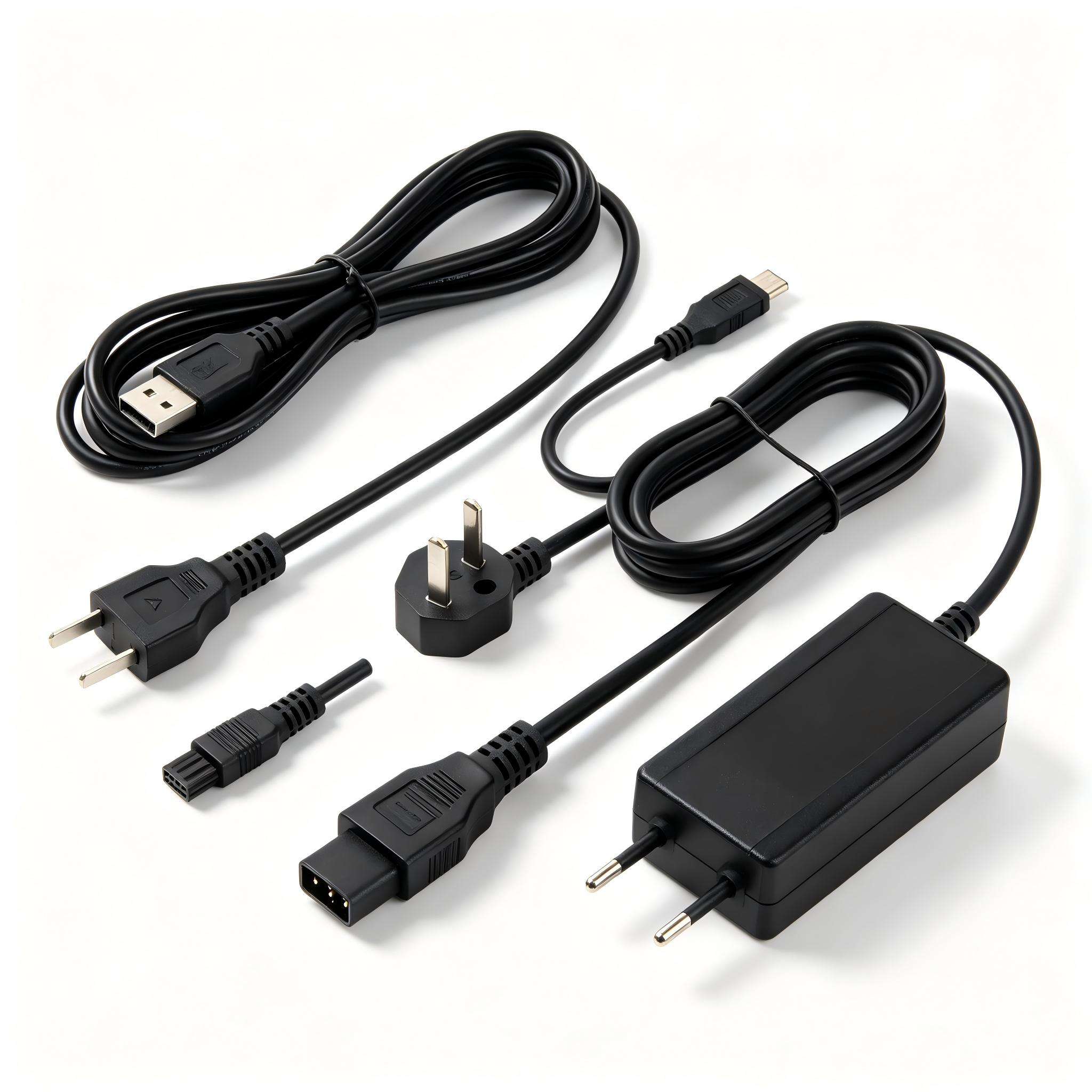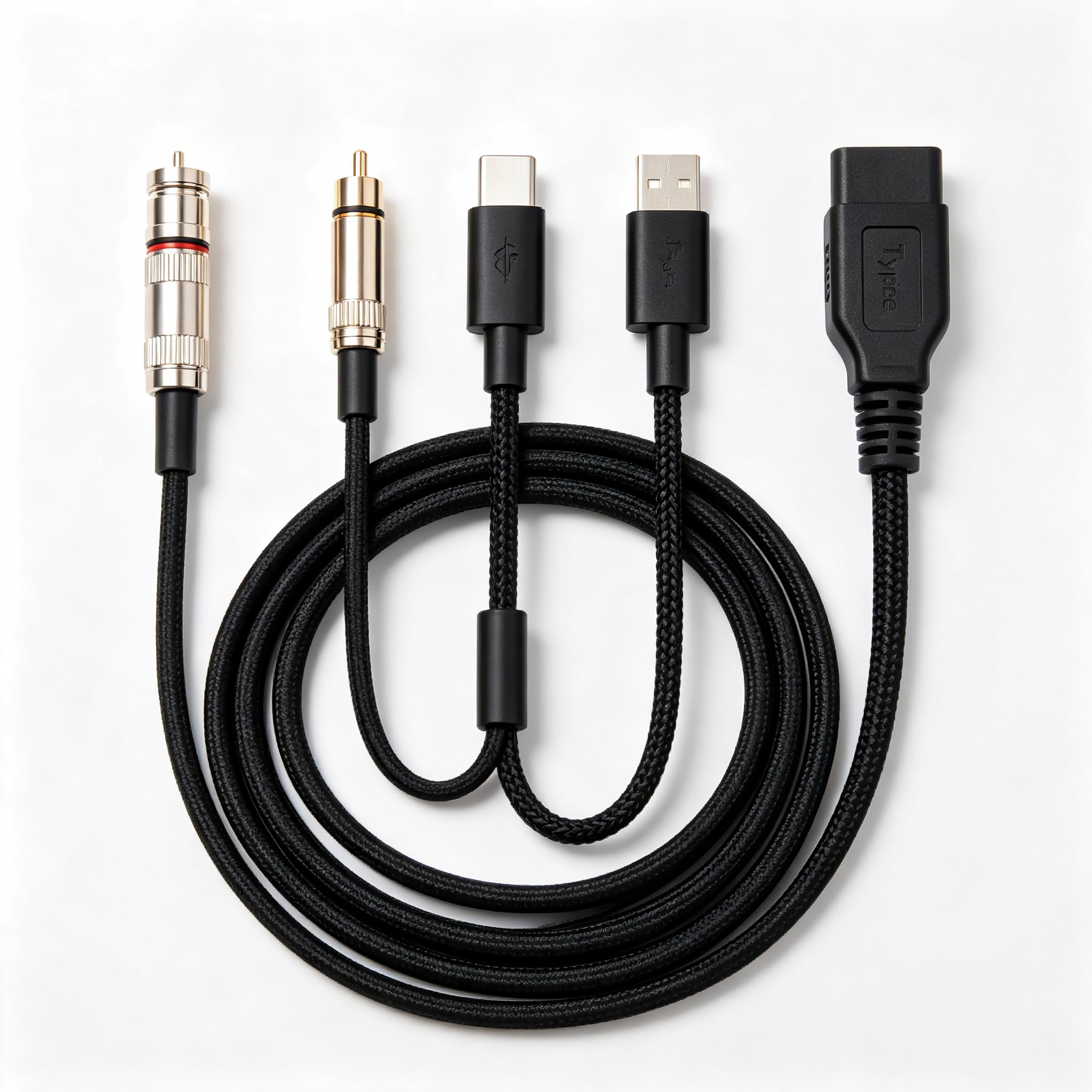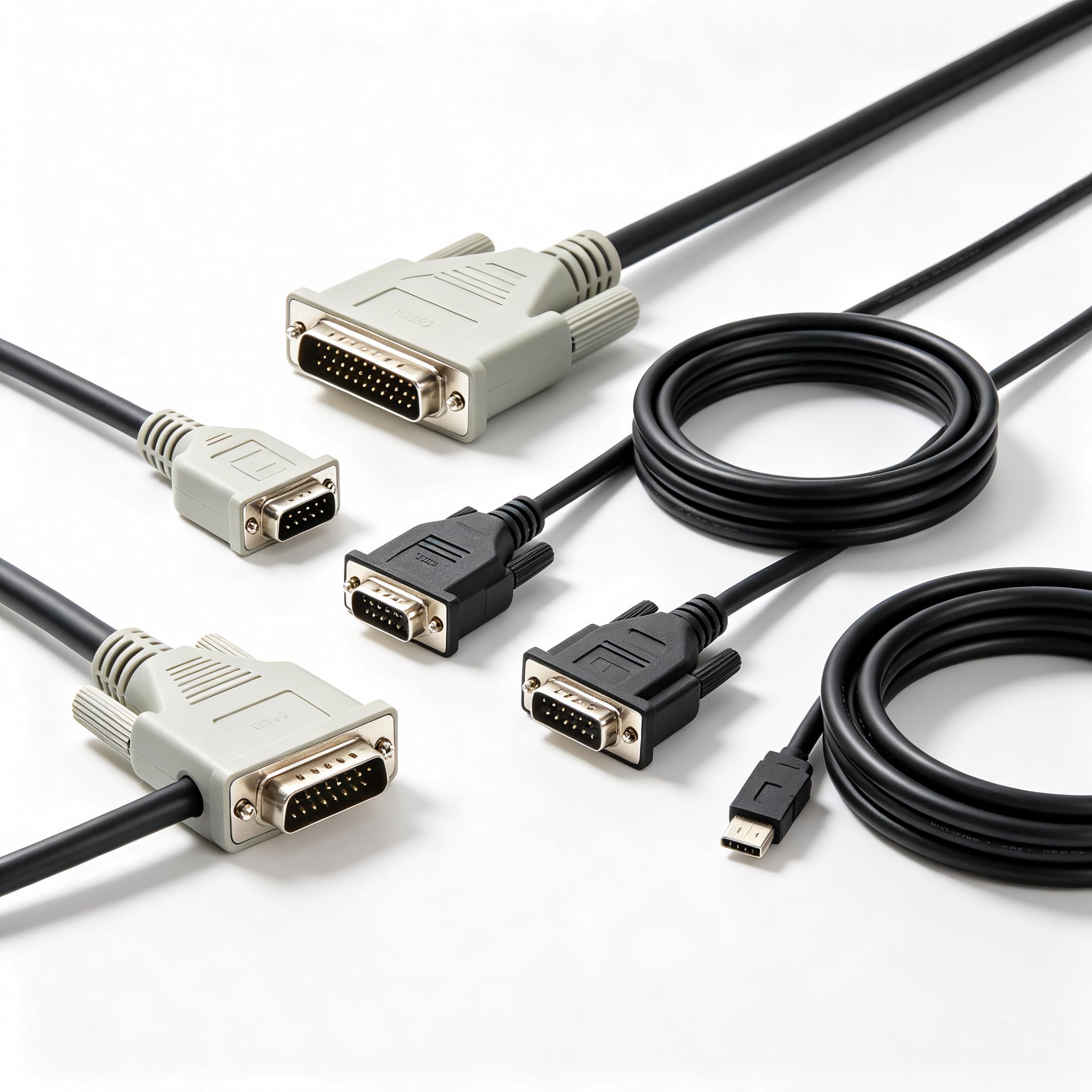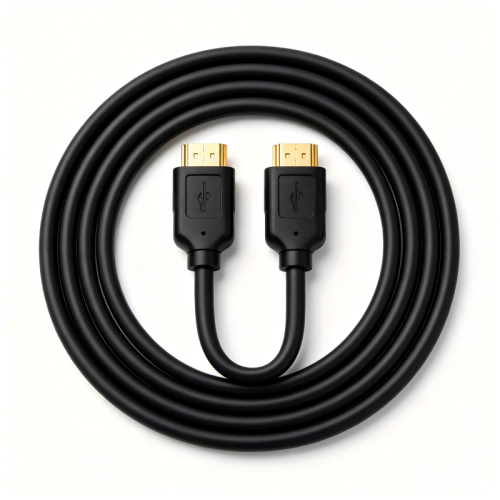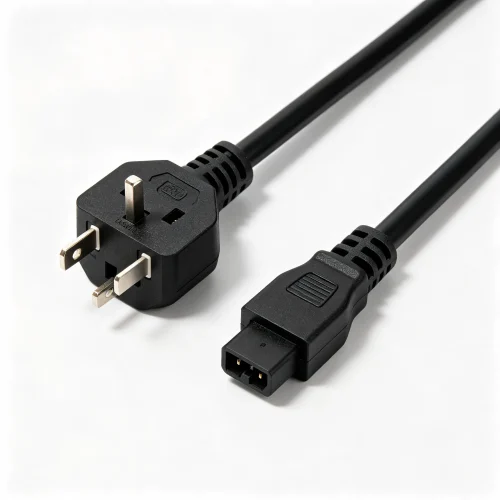
Understanding wire harness vs cable assembly is the first step to specifying interconnects that survive the field, pass compliance, and stay on budget. Many buyers use the two terms interchangeably, but the manufacturing method, protection level, and cost profile differ enough to change your bill of materials. This guide explains the difference and gives you a practical RFQ checklist. Getting the definition right also keeps your supplier quoting the same thing you intend to buy, which is the fastest way to avoid surprise re-tooling charges.
Wire Harness vs Cable Assembly: What Is the Real Difference?
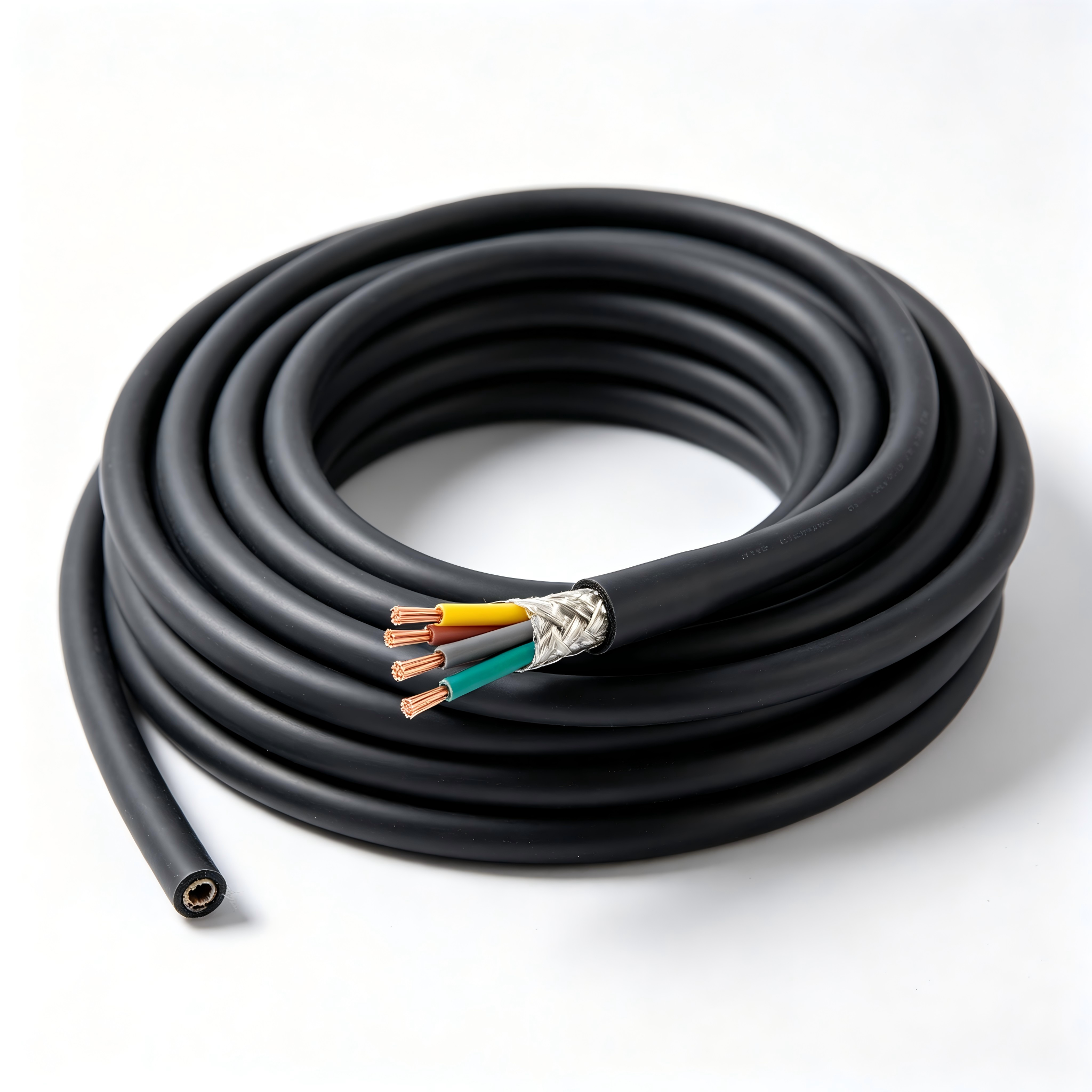
A wire harness (also called a wiring harness or cable harness) bundles loose wires and cables with tape, conduits, clamps, or sleeves so they route as one neat unit. A cable assembly takes that idea further: each cable is terminated, jacketed, and often overmolded into a finished, environmentally protected part. The harness organizes; the assembly protects and seals.
| Aspect | Wire Harness | Cable Assembly |
|---|---|---|
| Core purpose | Organize & route wires | Protect & terminate a cable |
| Outer jacket | Usually none | Full jacket + connectors |
| Environmental seal | Low (open conductors) | High (IP-rated options) |
| Typical use | Inside enclosures | Exposed / moving runs |
How a Wire Harness Is Built
Builders cut wires to length, strip the ends, crimp or solder terminals, then bind the run with polyester tape, braided sleeving, or corrugated conduit. The result is lightweight and cheap, but the individual conductors stay exposed between termination points. That makes harnesses ideal inside panels and enclosures where the environment is controlled.
Good harness shops also label each branch and run point-to-point continuity checks before shipping, so a loom arrives tested rather than assumed. That test step is where a cheap harness earns its keep, and it is the detail most first-time buyers forget to ask for.
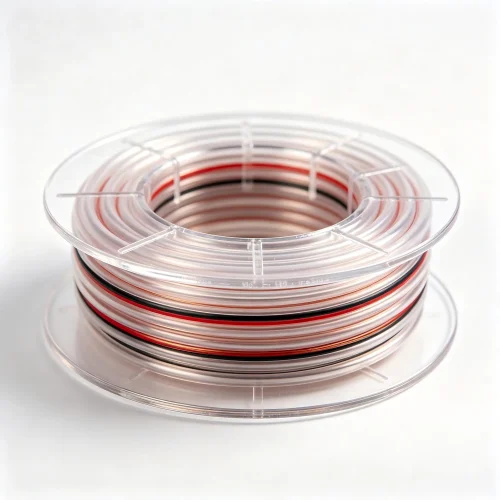
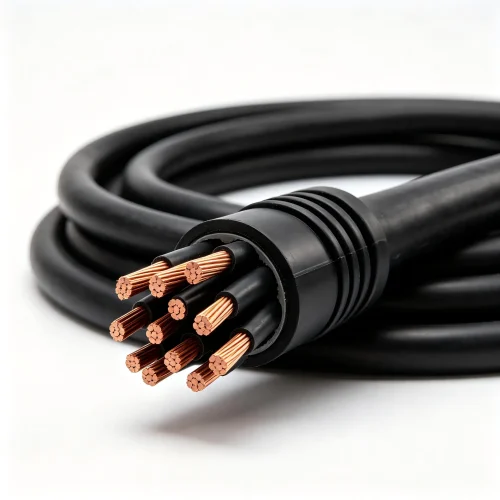
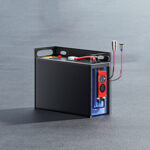
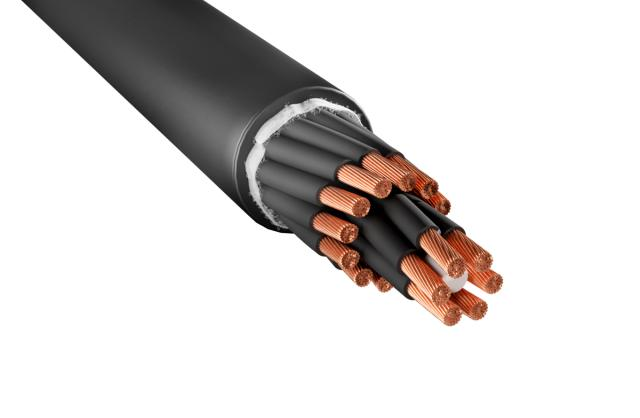
The image below shows a multi-core DC power cable cross-section – the kind of conductor grouping a harness organizes before any outer protection is added.
How a Cable Assembly Is Built
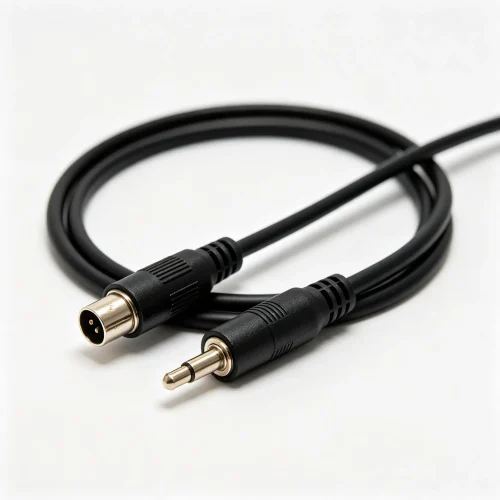
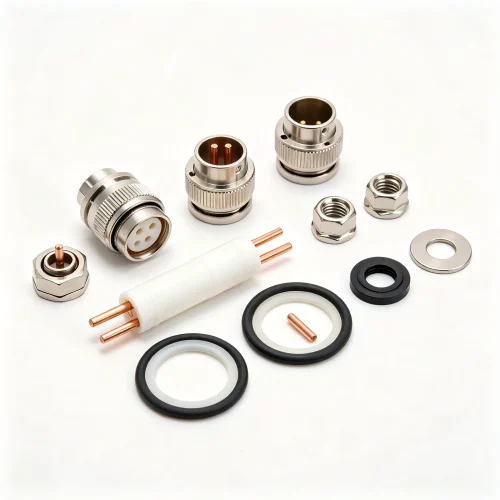
A cable assembly starts from a harness or a continuous cable and adds a full outer jacket plus molded or metal connectors. Strain relief, IP-rated boots, and shielding are built in at the factory. Products such as our waterproof panel-mount connectors and serial industrial communication cables ship as finished assemblies ready to install.
Because the connectors are molded or potted in the factory, every assembly can be 100% tested for continuity, hipot, and pinout before it leaves. That factory test is the main reason assemblies cost more yet fail less in the field.
Wire Harness vs Cable Assembly: Specification Comparison
| Spec factor | Wire Harness | Cable Assembly |
|---|---|---|
| Best environment | Dry, fixed, indoor | Wet, vibrating, outdoor |
| Flex life | Limited | High (overmolded) |
| Connector integration | Field-fitted | Factory-molded |
| IP rating | Rarely rated | Up to IP67 / IP68 |
| Tooling cost | Low | Medium – High |
| Lead time | Short | Longer (tooling) |
| Best for | Panels, enclosures | Plug-and-play field |
When to Choose a Wire Harness
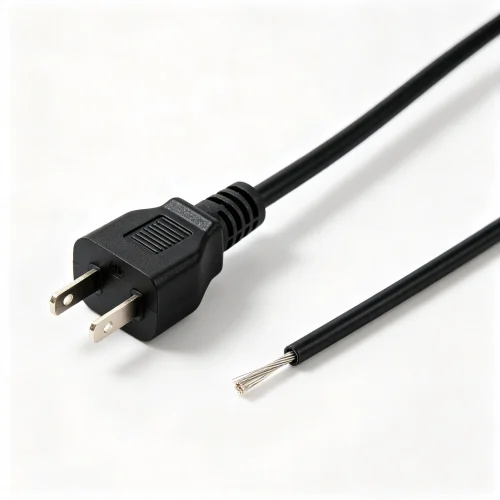
Pick a harness when the route is fixed, the space is enclosed, and unit cost matters more than sealing. Internal wiring for control cabinets, appliance looms, and power cords and power cables routed inside a chassis are classic harness jobs.
When to Choose a Cable Assembly
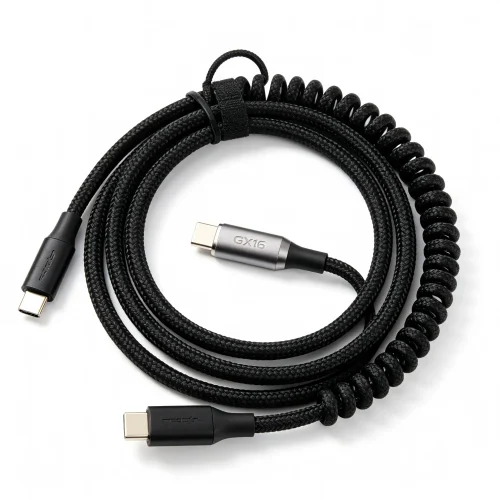
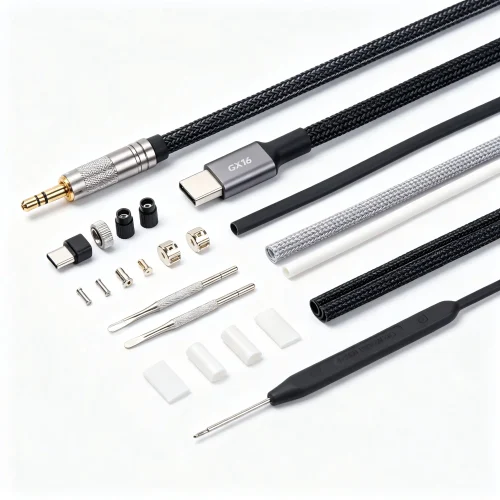
Choose an assembly when cables leave the cabinet and face moisture, vibration, or repeated flexing. That covers USB cables, network and fiber cables, audio cables, and aviation and mechanical keyboard cables used in the field.
Cost Drivers: Where the Money Goes
A harness keeps cost down because there is almost no tooling – you pay for cut, strip, terminate, and tie. An assembly adds mold tools, strain-relief boots, and a full jacket, so the first unit is pricier but the per-unit field-failure cost drops. For low volumes or enclosed panels, the harness usually wins; for exposed, high-vibration, or high-mix field use, the assembly pays back fast. Quote both and compare total cost of ownership, not just unit price.
How to Specify a Wire Harness vs Cable Assembly in One RFQ
- Application environment – temperature range, moisture, chemicals, UV, and vibration profile.
- Conductor spec – gauge, stranding, and conductor count for every circuit.
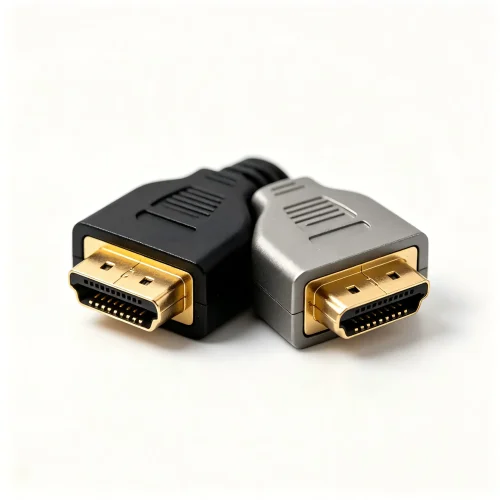
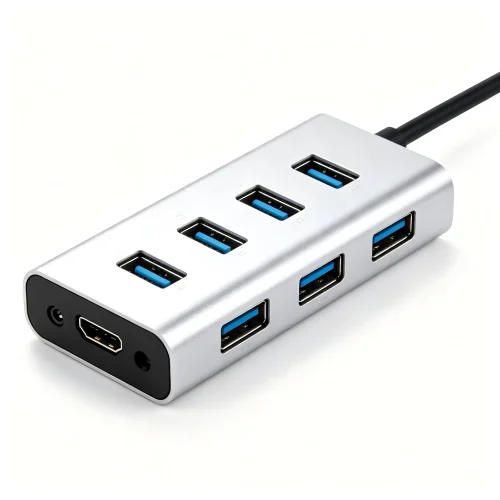
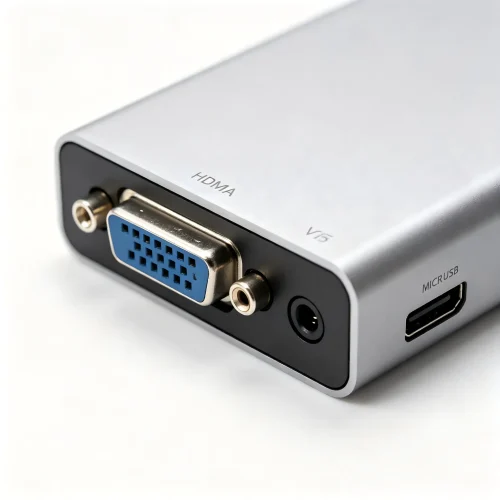
- Connector type and orientation – model, pinout, and keying, or link our adapters and converters range.
- Ingress rating – the IP level the assembly must hold at each end.
- Bend radius and flex cycles – the minimum bend radius and expected flex life.
- Compliance marks – UL, CE, RoHS, or REACH needed for the target market.
- First-article proof – drawing, sample, or both before full production.
Common Spec Mistakes Buyers Make
The usual errors are vague environment notes, missing IP rating, and omitting the bend radius so the assembly fatigues early. Another frequent miss is specifying a harness where an assembly is needed, then paying for field failures. Get the seven points above right and the wire harness vs cable assembly decision becomes straightforward.
Buyers also sometimes send a photo instead of a drawing, which forces the supplier to guess gauge and pinout and usually yields a sample you cannot approve. A one-page sketch with conductor colors, lengths, and connector models removes most of that risk and shortens the first-article cycle by days.
For the underlying terminology and standards, see the cable harness overview on Wikipedia.
Ready to turn this checklist into a quote? Contact our engineering team with your drawings and we will return a build-ready proposal.