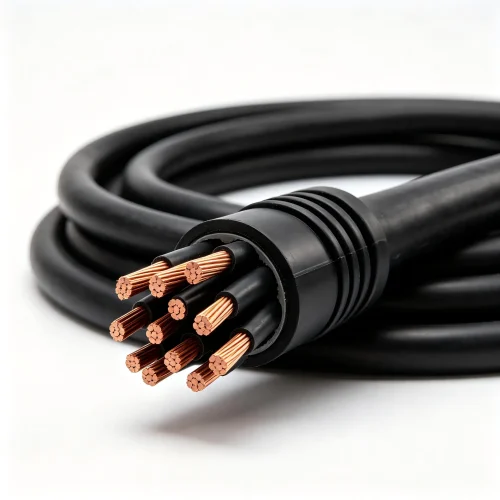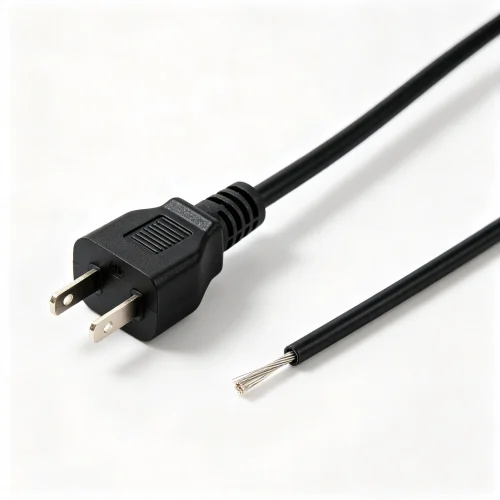
Wire color coding is the single most overlooked detail that determines whether a cable harness installs cleanly on the line or becomes a field-service nightmare. For B2B buyers specifying custom assemblies, a disciplined wire color coding scheme is not cosmetics — it is a documentation, safety, and traceability requirement.
What Is Wire Color Coding and Why It Matters
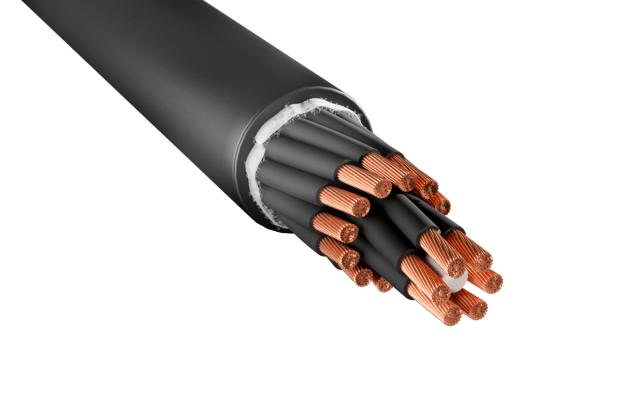
Wire color coding assigns a fixed color to each conductor in a multi-core cable or harness so that installers, service technicians, and automated test systems can identify circuits without tracing every wire. In an industrial harness with 20–200 conductors, color coding is the difference between a 10-minute termination and a miswire that trips a machine or, worse, creates a shock hazard.
Beyond assembly speed, consistent wire color coding protects you during audits and warranty claims: when every signal has a defined color, a photographed harness is self-documenting. That is why standards bodies and procurement teams increasingly demand coded identification on the drawing, in the BoM, and on the physical product. It also shortens operator training, because a new hire can read a harness at a glance instead of memorizing a separate legend for every project.
Wire Color Coding Frameworks: IEC 60446 vs DIN 47100
Two reference systems dominate the wire color coding landscape. Knowing which one your supplier quotes prevents mismatched deliveries.
| Attribute | IEC 60446 (now IEC 60445) | DIN 47100 |
|---|---|---|
| Scope | Basic safety principles for conductor identification by colors and alphanumeric | Color sequence for cores in cables and cords |
| Primary use | Fixed installations, machinery, panel wiring | Flexible control cables, harnesses, instrumentation |
| Color set | Functional colors (PE green/yellow, neutral blue, L1/2/3 brown/black/grey) | Numbered color sequence (bk, br, rd, or, ye, gn, bl, vt, gy, wh, pk, tq…) |
| Identification | Color + alphanumeric where required | Color sequence indexed by core number |
| Export relevance | Preferred for EU machinery and EN/IEC compliance | Common in German and legacy European harness specs |
When in doubt for EU-bound machinery, IEC 60445/60446 functional colors are the safer default; for legacy German control-cable specs, DIN 47100 numbering still appears. Always state the standard on the RFQ so the supplier cannot silently substitute. A supplier that understands both frameworks can also advise when a functional-color scheme reduces the number of distinct part numbers you must stock.
Wire Color Coding by Application: Reference Table
The table below maps common functions to their conventional colors. This is a general guide; mission-critical circuits should always be confirmed against the controlling regional standard and the end-customer drawing before production release.
| Function | Typical color (IEC 60446) | Notes |
|---|---|---|
| Protective earth (PE) | Green/yellow | Never use for any other circuit |
| Neutral (N) | Blue | Fixed-installation AC neutral |
| Line / phase L1, L2, L3 | Brown, Black, Grey | Three-phase identification |
| DC positive | Brown or Red | Confirm polarity convention |
| DC negative | Blue or Black | Confirm polarity convention |
| Signal / control | Per DIN 47100 sequence | Index by core number on the drawing |
Regional practice differs — North American and Asian harnesses may follow local wiring colors — so for export programs the color code must be pinned to a named standard. Background on electrical wiring color conventions is available from reference sources such as electrical wiring documentation.
How to Specify Wire Color Coding in an RFQ
A precise wire color coding specification removes ambiguity and prevents costly rework. The more precise your specification, the fewer change-orders you will receive after the first prototype. Include the following in every request for quotation:
- Reference standard — name IEC 60445/60446 or DIN 47100 explicitly.
- Per-circuit mapping — a table linking each wire number to its function and color.
- Exception list — any non-standard colors (e.g., customer-branded jackets) called out separately.
- Marking method — color only, or color plus alphanumeric print, or heat-shrink sleeves.
- Continuity documentation — request a color-coded wiring diagram with the shipment.
- Tolerance for dye lot — acceptable shade variance across production batches.
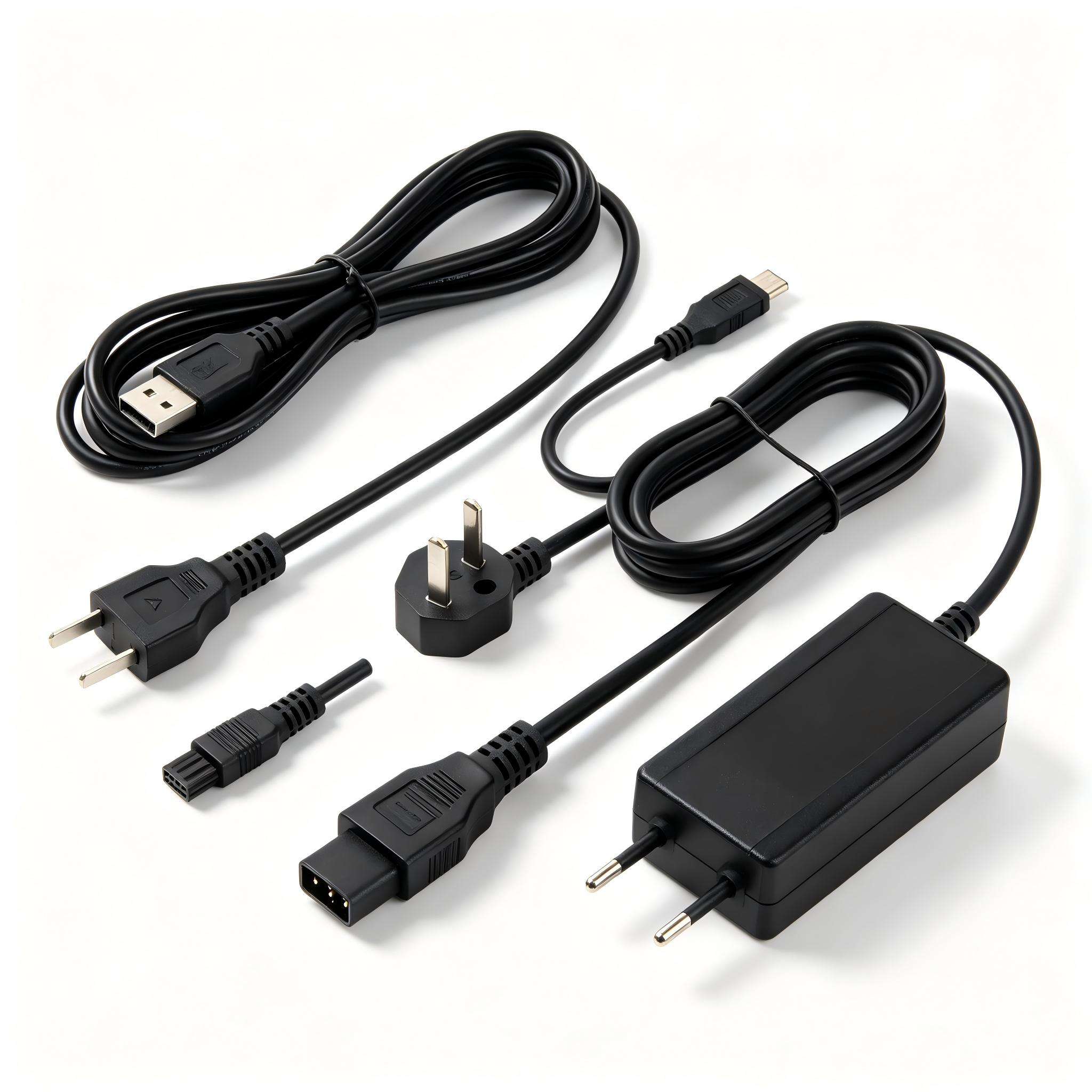
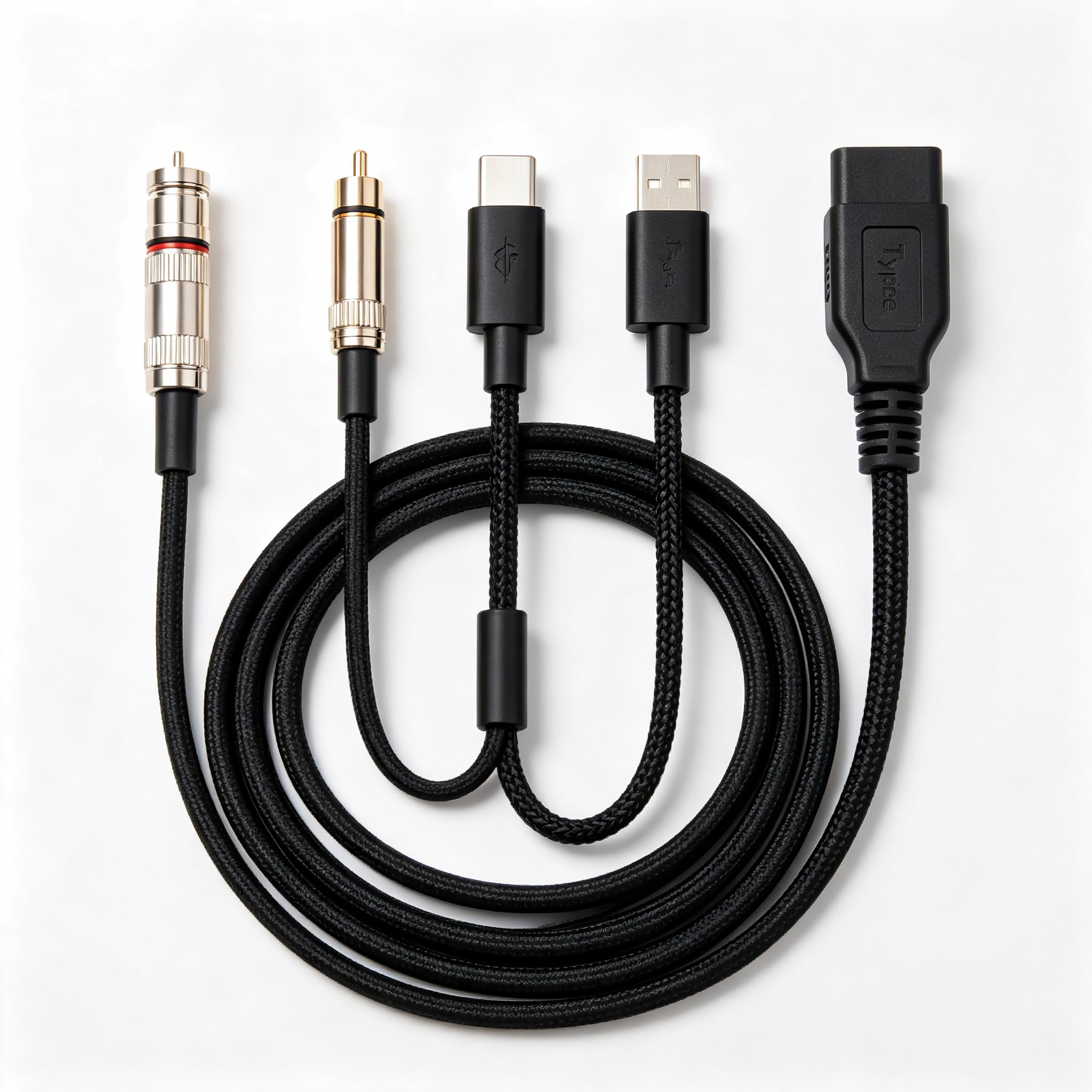
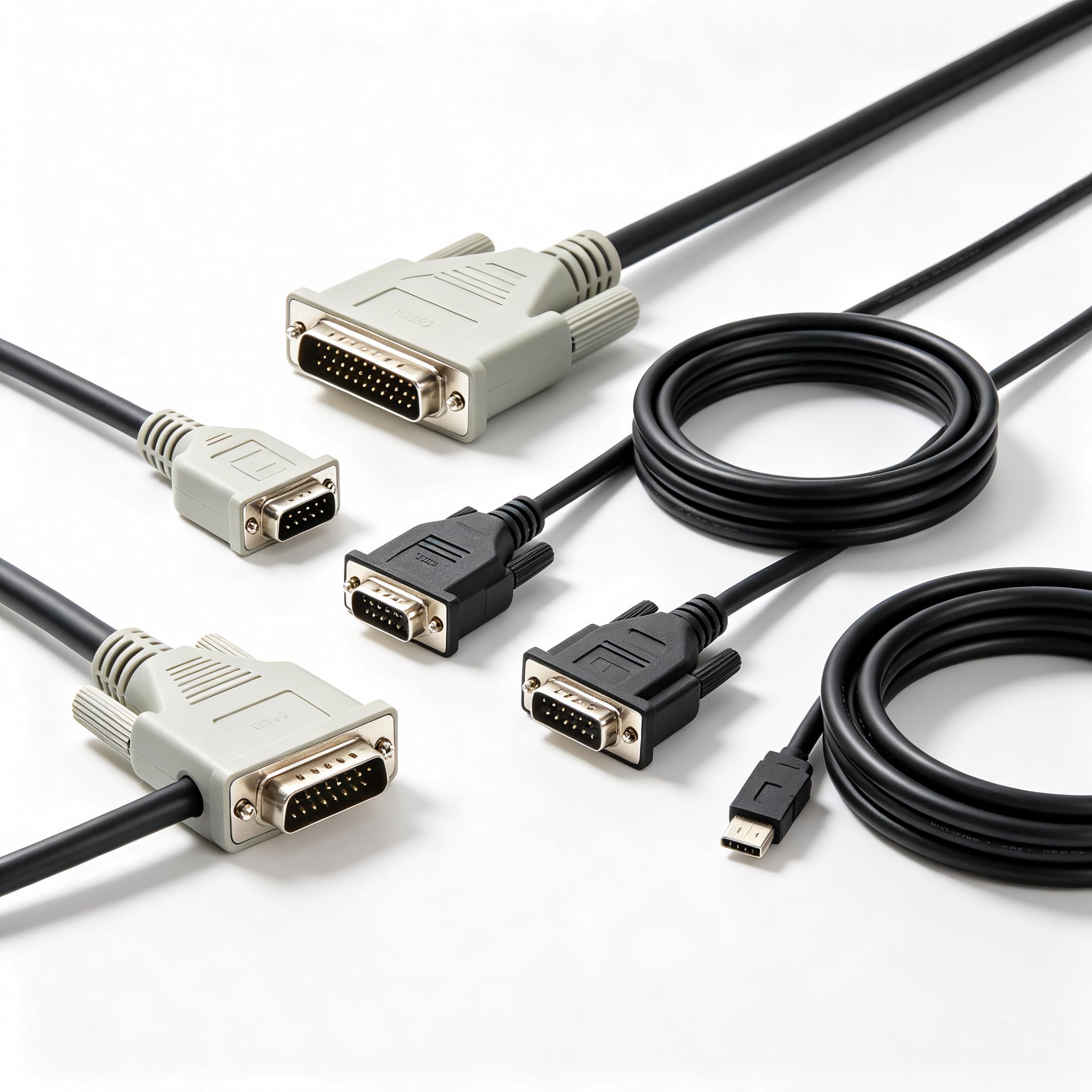
Buyers sourcing serial and industrial communication cables or power cords and power cables should attach the harness drawing so the supplier can validate the color plan against the connector pinout.
Common Wire Color Coding Mistakes
- Assuming a color means the same thing everywhere. Green/yellow is universally PE, but “red” can be DC+ or a phase depending on region.
- Mixing two standards on one harness. Keep IEC 60446 and DIN 47100 separate per assembly.
- No paper trail. Colors without a drawing are useless to the next technician.
- Ignoring print legibility. Alphanumeric print must survive flex and cleaning agents.
For complex builds, consider pairing color coding with panel-mount waterproof connectors and network and fiber cables where the harness interfaces with signal and data lines.
Conclusion
Consistent wire color coding is a low-cost, high-leverage way to cut assembly time, avoid miswires, and satisfy export documentation requirements. Specify the standard up front, map every circuit to a defined color, and keep the drawing with the physical shipment so future service and audits stay painless. When the color plan is agreed early, your supplier can build it into the first sample rather than rebuilding after feedback.
Need a color-coded harness built to your standard? Contact our engineering team for a DFM review and a quoted sample.