Selecting the right signal cable types — twisted pair, coaxial, or twinax — determines whether your data, video, or control signals arrive clean and on time. For B2B buyers specifying cables for industrial automation, broadcast, or IT infrastructure, the physical transmission medium matters as much as the connector on the end. This guide compares the three dominant signal cable types and shows how to choose the correct one for your application, frequency, distance, and noise environment.
What Are the Three Signal Cable Types?
Most low-voltage signal links fall into one of three construction families. Understanding how each one carries a signal is the first step toward a reliable bill of materials, because the medium sets the ceiling on speed, distance, and noise performance before any connector or protocol is involved.
Twisted Pair
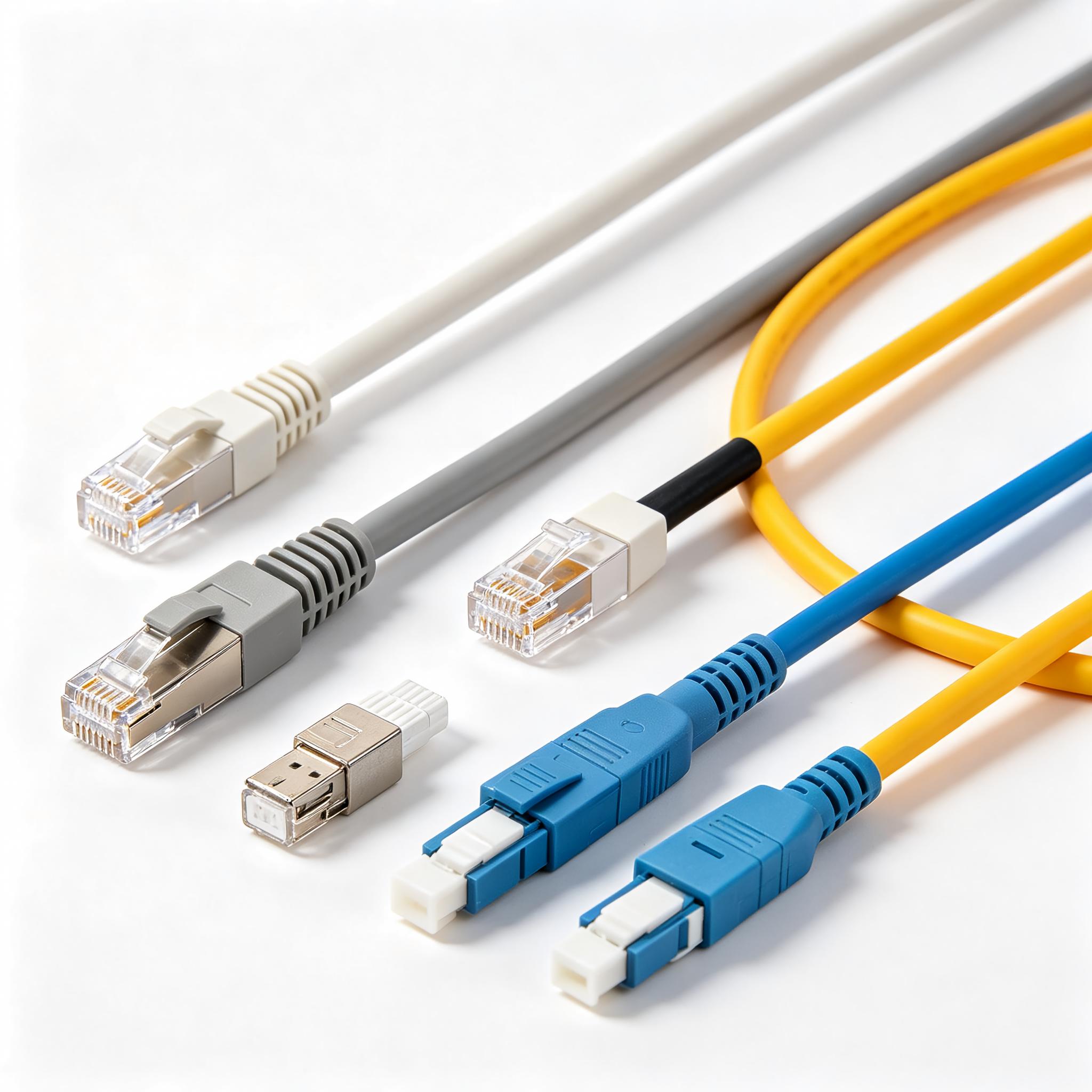
Twisted pair cable bundles two insulated conductors that are wound together. The twisting cancels electromagnetic interference (EMI) picked up equally by both wires. It is the backbone of Ethernet, RS-485 fieldbus, and many control circuits. You will find it throughout our network and fiber cables and serial and industrial communication cables.
Coaxial
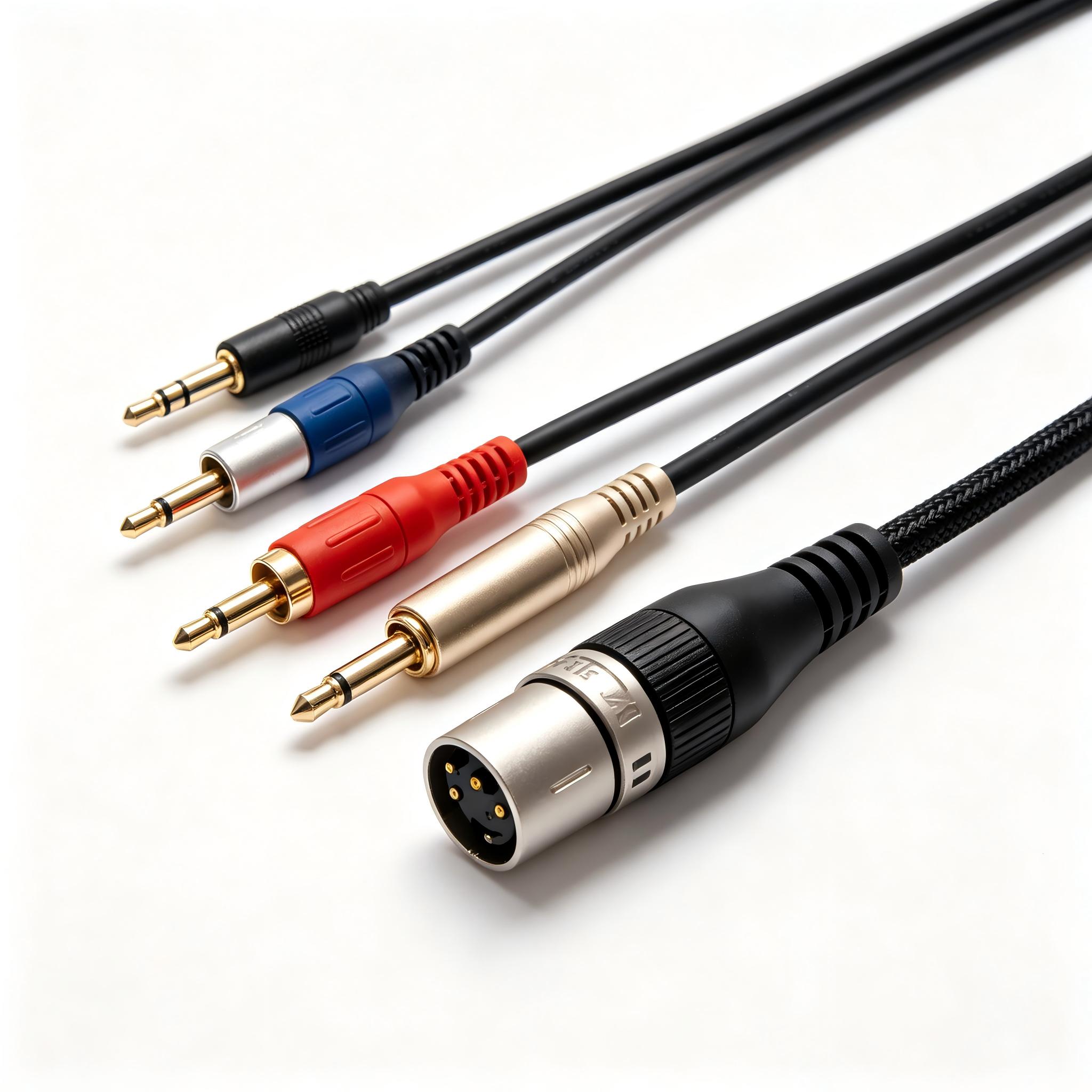
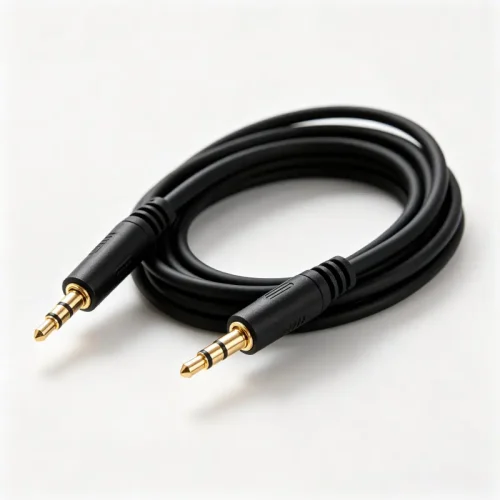
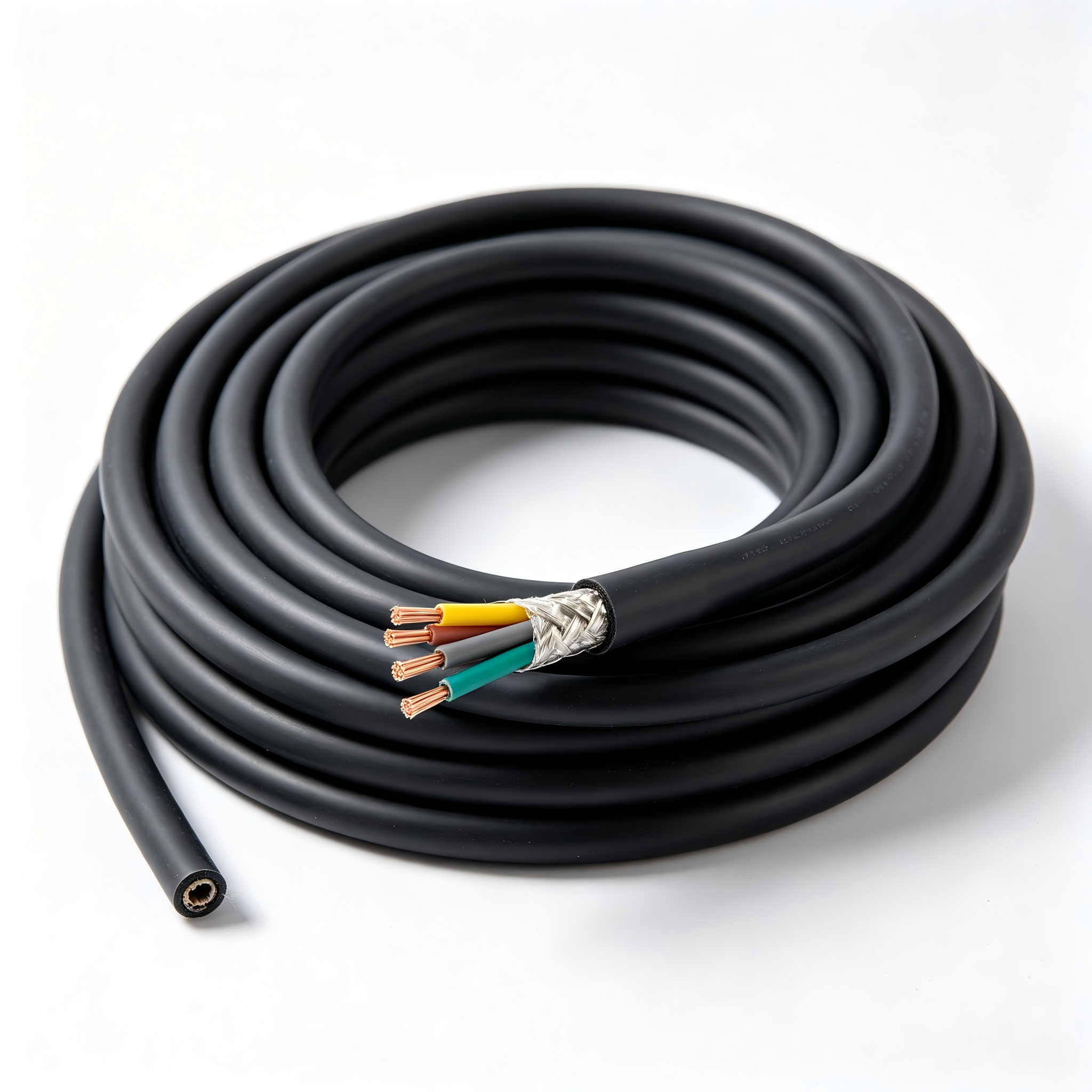
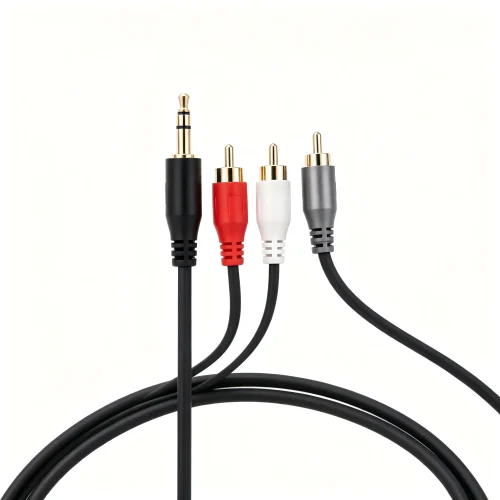
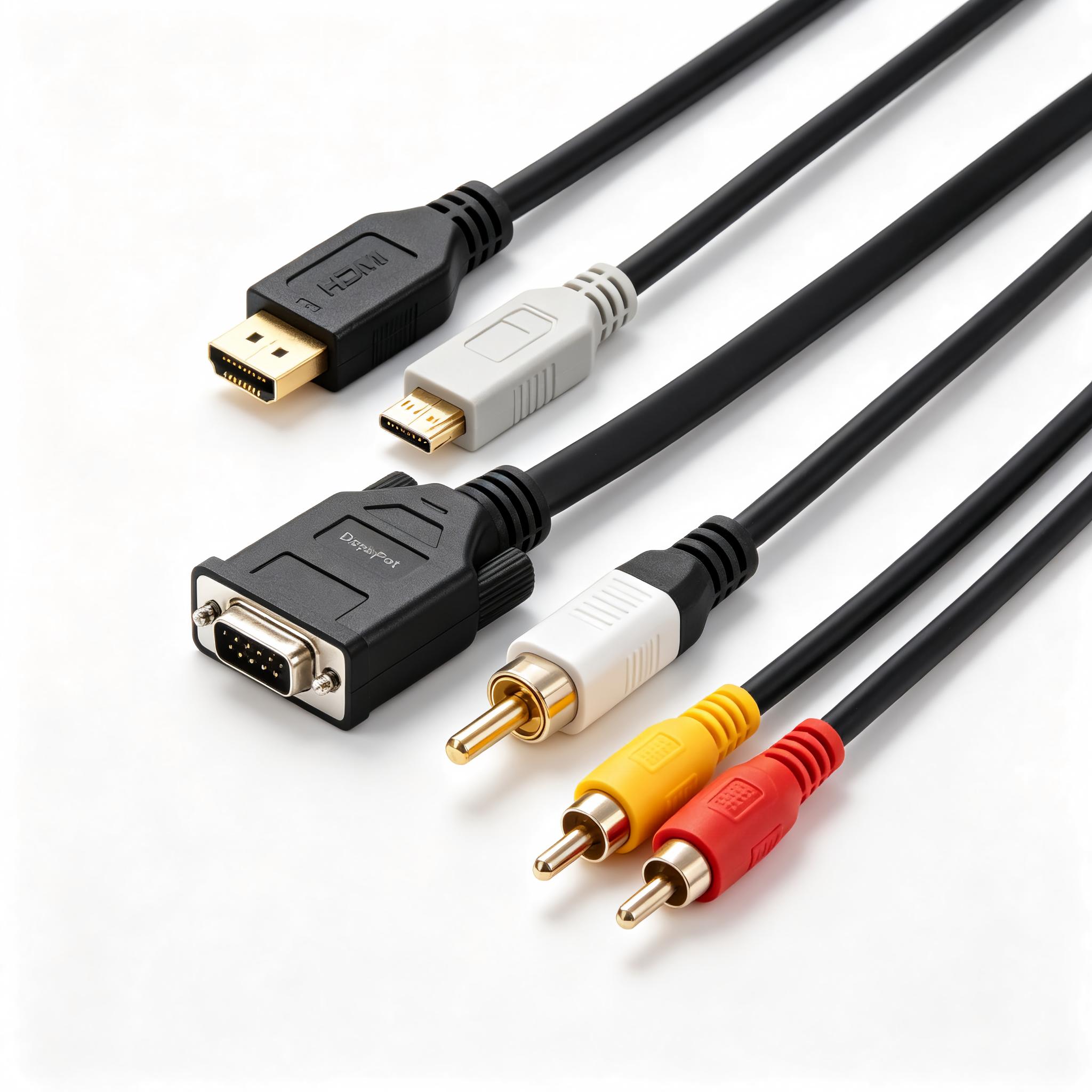
Coaxial cable has a center conductor surrounded by a dielectric, a braided or foil shield, and an outer jacket. The shield carries the return current and contains the signal, giving excellent noise immunity and controlled impedance. Coax dominates RF, video, and broadband links. Our video cables and audio cables rely on coaxial construction for clean transmission.
Twinax
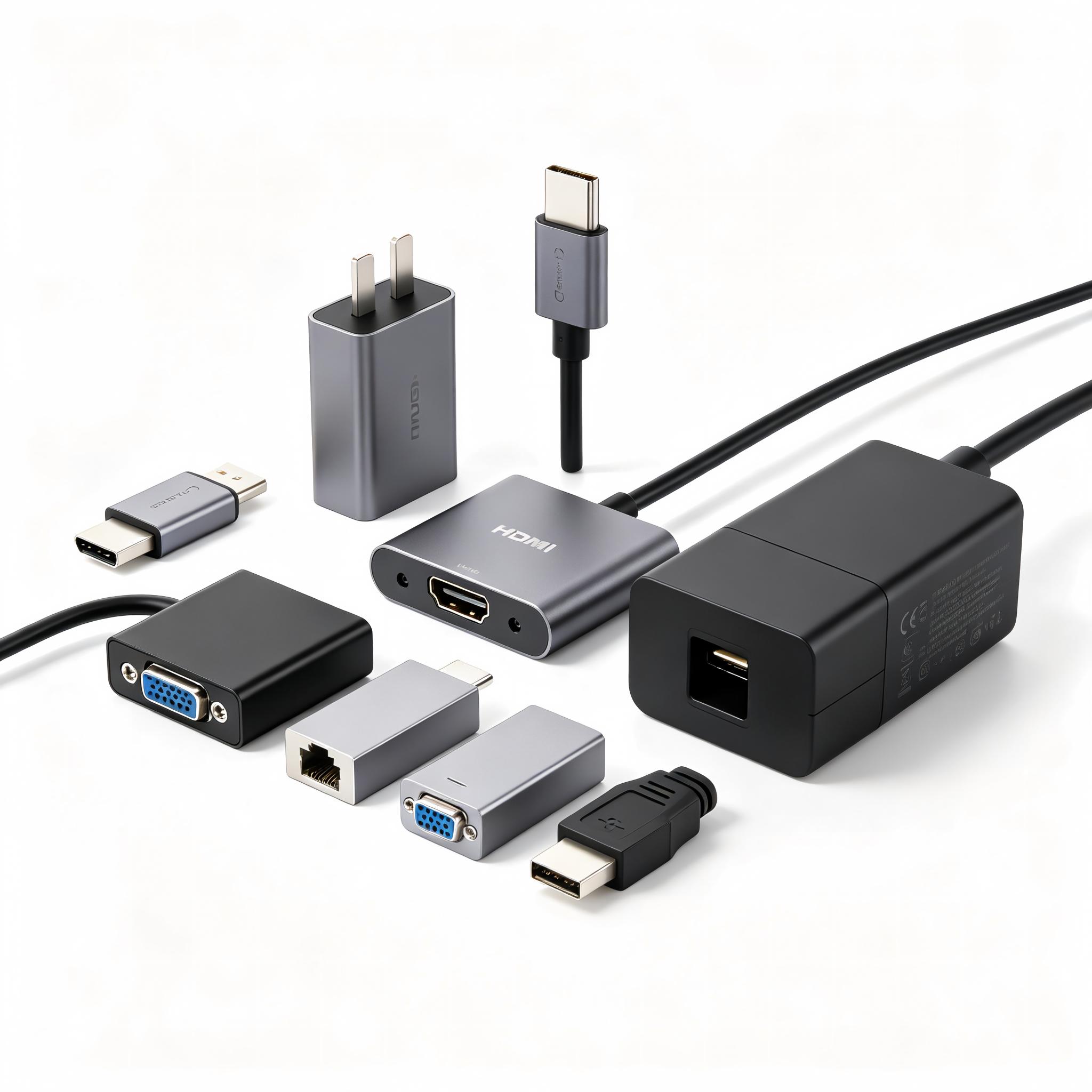
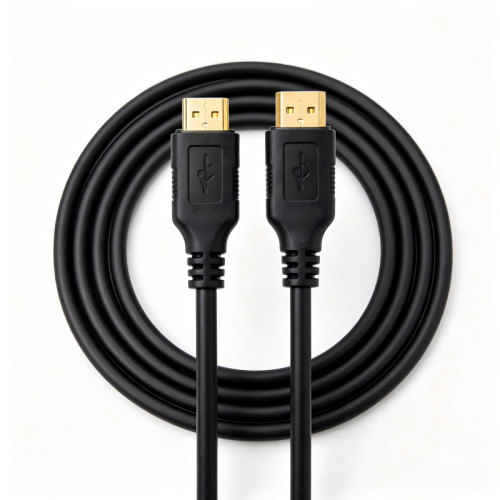
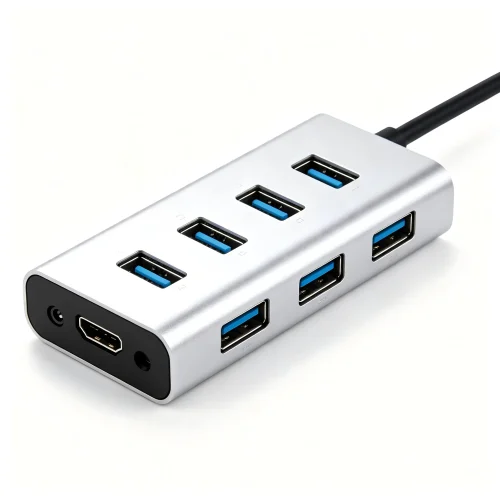
Twinax is a balanced variant of coax: two inner conductors share one shield. It delivers differential signaling with coax-grade noise rejection at roughly half the bulk of two separate coaxes. Twinax is common in high-speed backplane, storage, and some aerospace links, and appears inside high-bandwidth USB cabling. Because both conductors are referenced to a common shield, it preserves signal integrity where ordinary twisted pair would struggle.
Twisted Pair vs Coaxial vs Twinax — Specification Comparison
The table below summarizes how the three signal cable types compare on the parameters B2B buyers care about.
| Cable type | Typical impedance | Max useful frequency | Typical reach | EMI immunity | Relative cost |
|---|---|---|---|---|---|
| Twisted pair (unshielded) | 100 Ω (data) | Up to ~1 GHz (Cat6A) | Up to 100 m (Ethernet) | Low–medium | $ |
| Twisted pair (shielded) | 100 Ω / 120 Ω | Up to ~2 GHz (Cat7) | Up to 100 m | High | $$ |
| Coaxial | 50 / 75 Ω | Several GHz | Tens to hundreds of m | Very high | $$ |
| Twinax | ~100 Ω differential | 10+ GHz (short runs) | Up to a few m | Very high | $$$ |
As a reference, the underlying physics of controlled-impedance transmission is well documented on Wikipedia’s coaxial cable article.
The Three Constraints: Frequency, Distance, and Noise
Every signal link lives inside three limits. Frequency sets how fast the medium must transmit without distortion; longer runs attenuate the signal, so distance caps the usable data rate; and noise from motors, drives, and radio sources forces shielding or balanced designs. Twisted pair wins on cost and flexibility for moderate frequency and distance. Coax wins when you need controlled impedance and strong noise containment at higher frequency. Twinax wins only when you must push very high data rates over short distances. Map your link’s frequency, distance, and noise budget first, and the right medium usually selects itself.
Which Signal Cable Types Fit Your Application?
Match the medium to the signal, not the other way around. The goal is to meet the spec at the lowest total cost, including installation and rework risk.
- Ethernet and fieldbus: Shielded twisted pair (Cat5e/6/6A) is the default for industrial Ethernet. Use shielded versions in noisy cabinets.
- Video and RF: Coaxial or coax-based HDMI/SDI links are best for video cables where impedance control protects signal integrity.
- Balanced audio: Shielded twisted pair inside an XLR or TRS shell handles professional audio cables over long runs without hum.
- High-speed differential data: Twinax or twinax-style constructions serve short, very high-bandwidth links — often inside USB cabling and server interconnects.
Signal Type Selection Table
| Signal | Recommended medium | Notes |
|---|---|---|
| 10/100/1000 Mbps Ethernet | Unshielded twisted pair Cat5e/6 | Keep bends above the rated bend radius |
| 2.5/10 GbE industrial | Shielded twisted pair Cat6A | Proper shield termination is mandatory |
| SDI / RF / antenna | Coaxial 50/75 Ω | Match impedance to the source |
| Analog balanced audio | Shielded twisted pair | Avoid running parallel to power |
| 10+ Gbps short link | Twinax | Limit to rated length |
How to Specify Signal Cables in an RFQ
When you send a request for quotation, include these points so the manufacturer can quote accurately:
- Signal type and protocol (Ethernet, RS-485, SDI, USB, etc.).
- Required impedance and tolerance.
- Operating frequency and data rate.
- Run length and bend-radius constraints.
- Shield requirement (foil, braid, or both).
- Jacket material and temperature rating.
- Connector type and any plating preference.
- Certifications needed (UL, CE, RoHS, REACH).
Common Sourcing Mistakes
Buyers often over-specify coax where twisted pair would do, or skip shielding in electrically noisy plants and then fight intermittent errors. Beyond that, three errors appear constantly. First, mismatched impedance — pairing a 75 Ω coax with a 50 Ω source reflects signal and ruins eye diagrams. Second, a shield is only as good as its termination; an unconnected drain wire leaves the cable effectively unshielded. Third, ignoring bend radius on shielded twisted pair deforms the pairs and shifts impedance. Define the real signal budget first, then pick the cheapest medium that meets it, and document every parameter in the RFQ so the manufacturer quotes what you actually need.
Need help matching the right industrial communication cable to your system? Contact our engineering team for a free specification review and samples.