
Three Serial Standards, Three Jobs
RS485 vs RS232 vs RS422 is the serial-standard choice that decides whether an industrial bus stays up or drops out. RS232, RS485 and RS422 are not interchangeable. Picking wrong causes the dropouts engineers blame on “bad cable.” For the full industrial serial cable range—including USB-to-serial converters—start with the topology.

For the electrical standard, see Wikipedia: RS-485 (EIA-485).
Comparison at a Glance
| Std | Topology | Max distance | Noise immunity |
|---|---|---|---|
| RS232 | Point-to-point | ~15 m | Low |
| RS422 | 1 driver, multi-drop | ~1200 m | High (diff) |
| RS485 | Multi-drop, multi-master | ~1200 m | High (diff) |
The RS485 Termination Rule
RS485 runs over ~50 m at high baud need a 120 Ω termination resistor at each end of the bus. Missing it = reflections = intermittent CRC errors. Spec it: ask whether the device or the cable supplies termination.
Why RS232 Still Ships
For a single PLC-to-HMI link under 15 m, RS232 is simple and ubiquitous. Don’t force RS485 where point-to-point is enough.
The 3 Wiring Mistakes
- No shield drain-wire ground at one end → ground loops.
- Forgetting A/B polarity swap across vendors.
- Running serial next to VFDs without shielded cable.
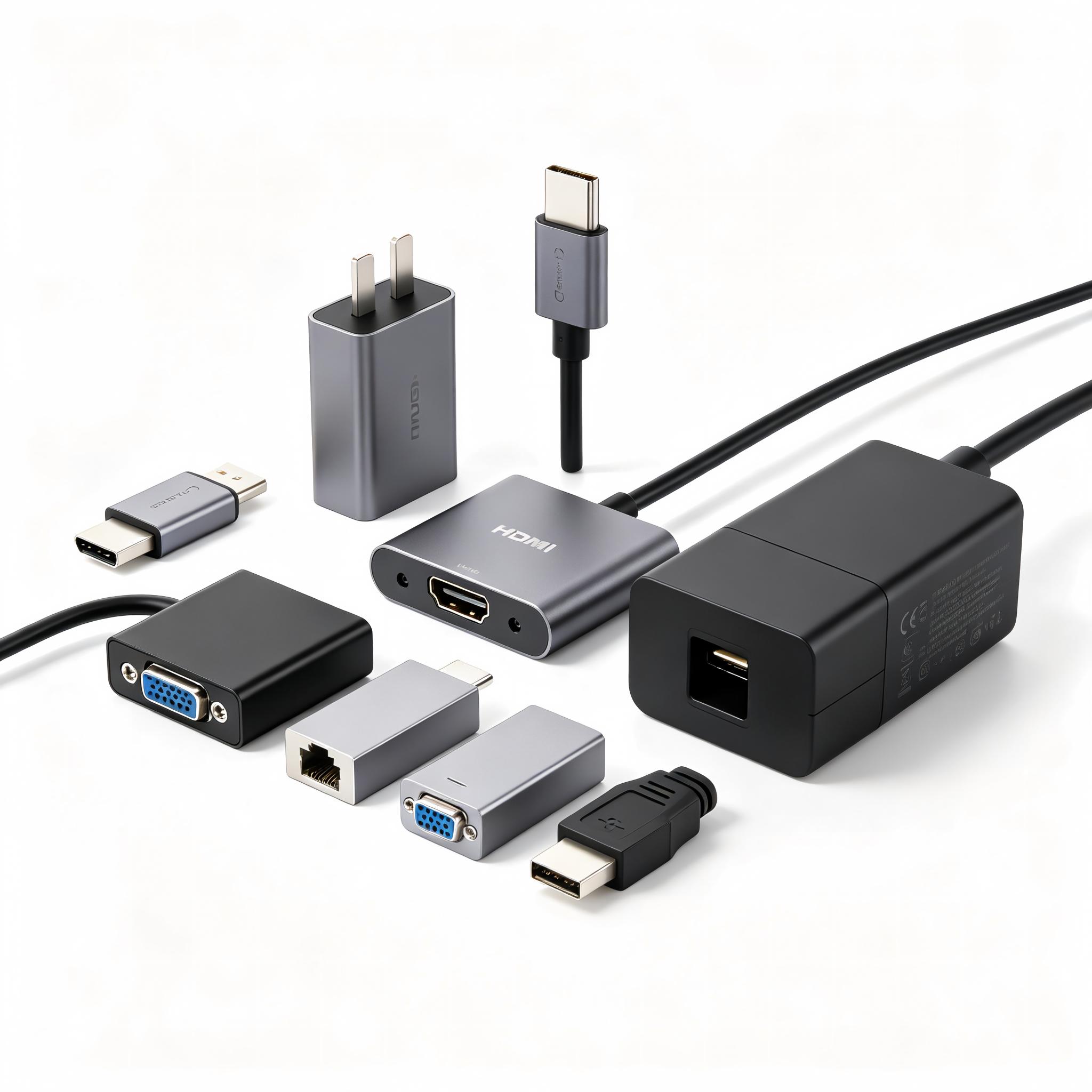
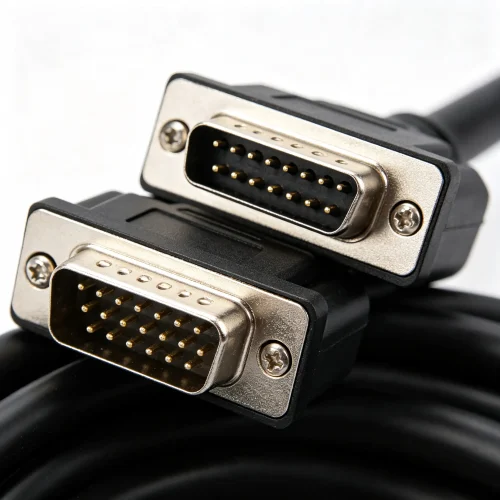
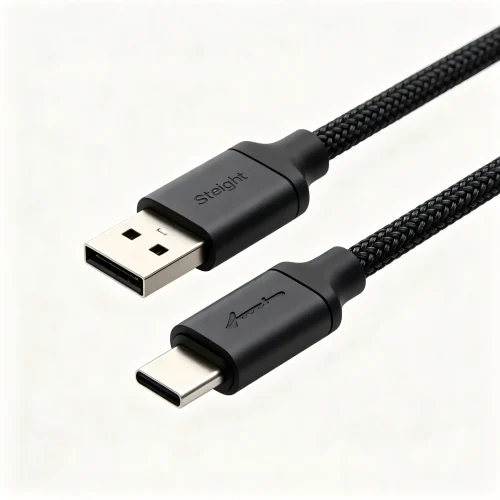
Need a converter that “just works” across Windows/Linux/macOS? A FTDI-chip USB-to-RS485/RS232 cable avoids driver headaches. Tell us your PLC model and we’ll match the pinout.




















Une réponse