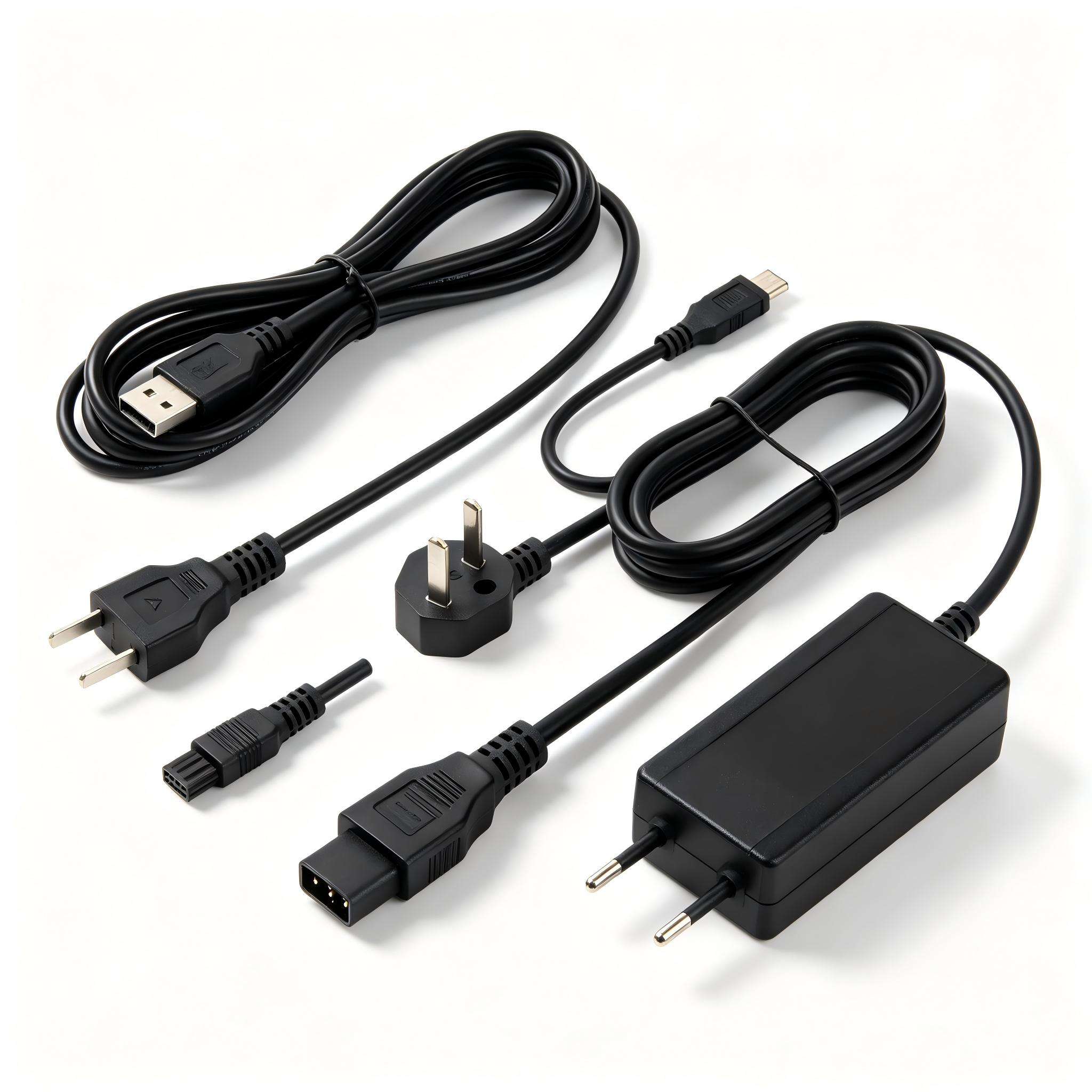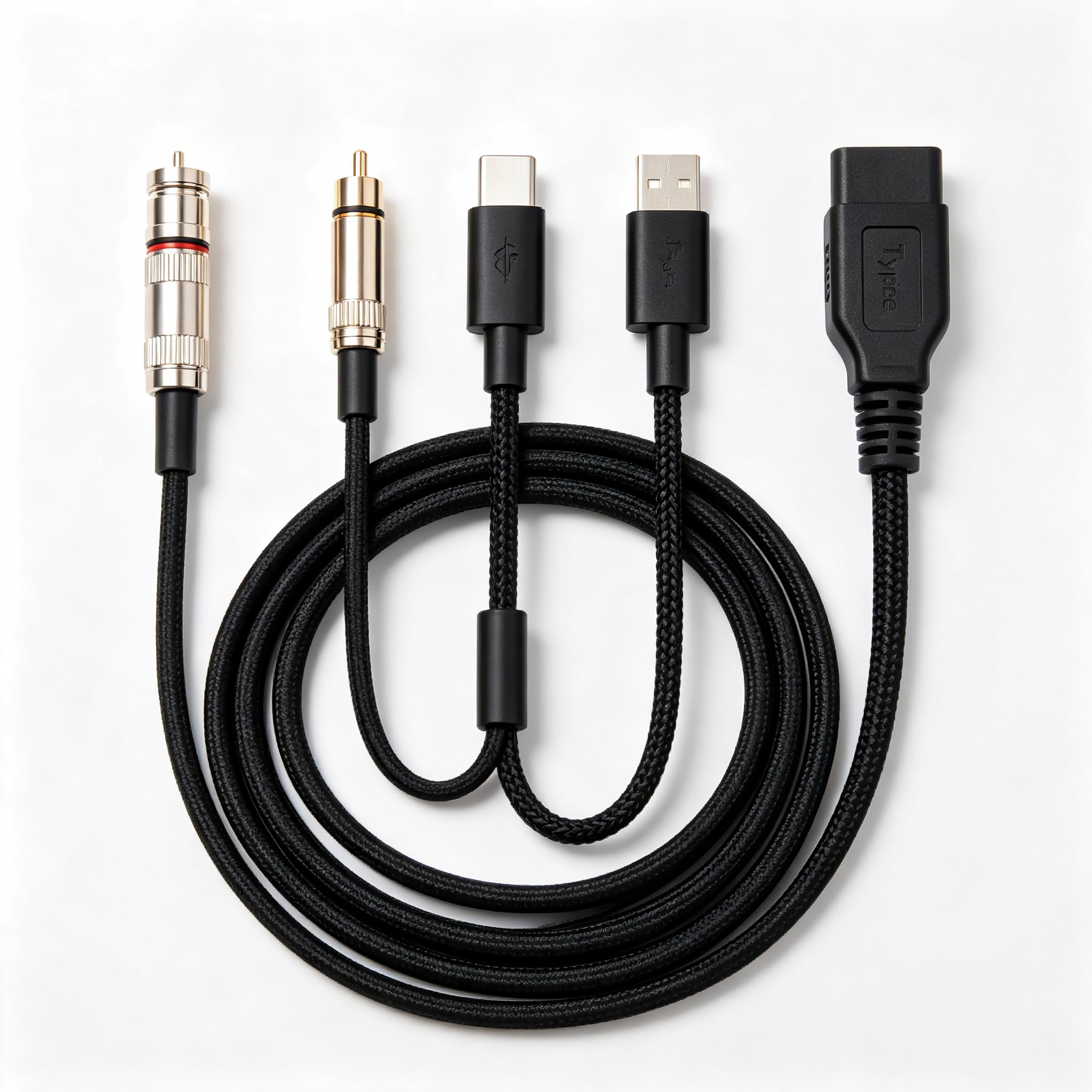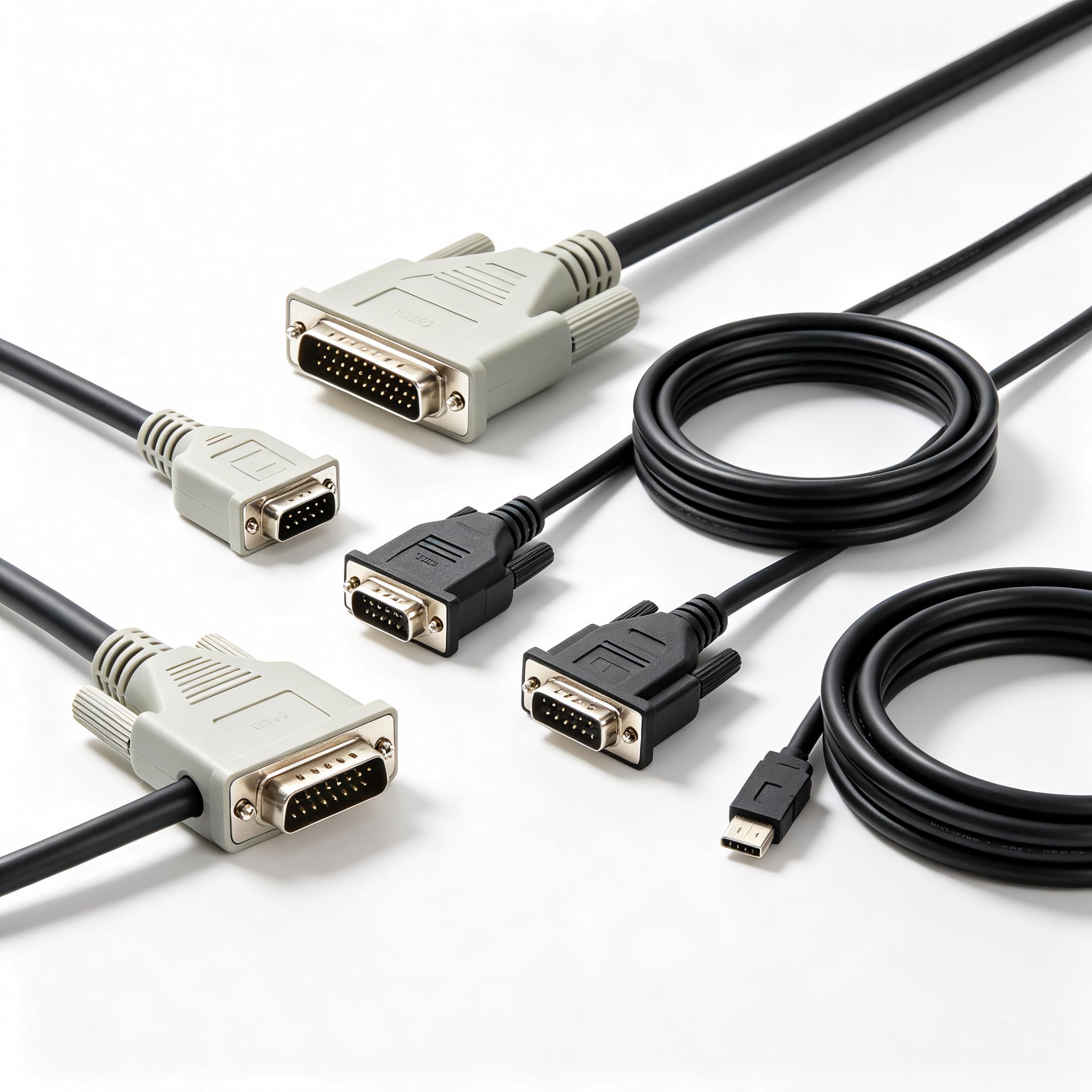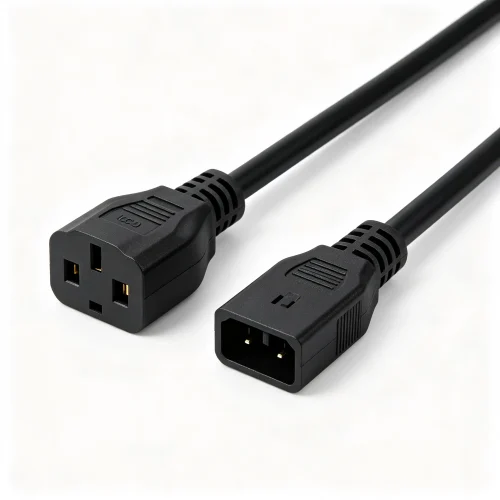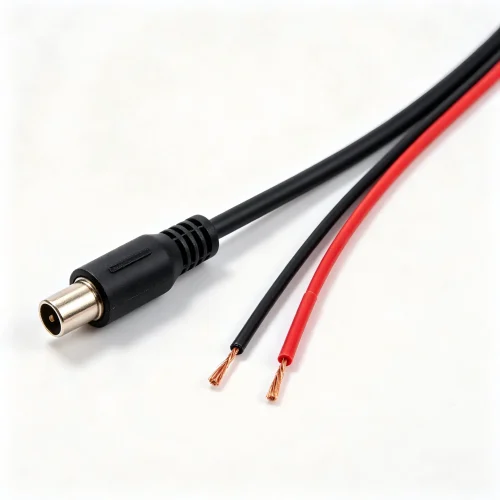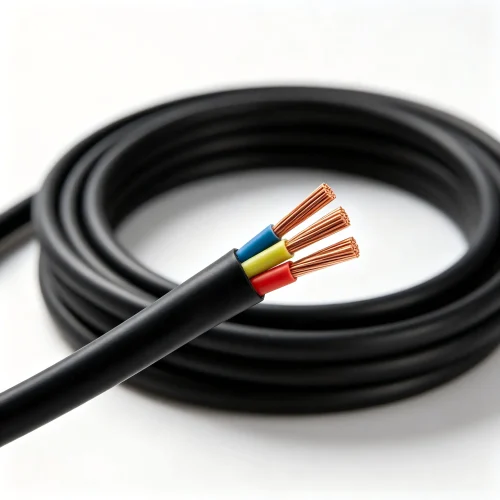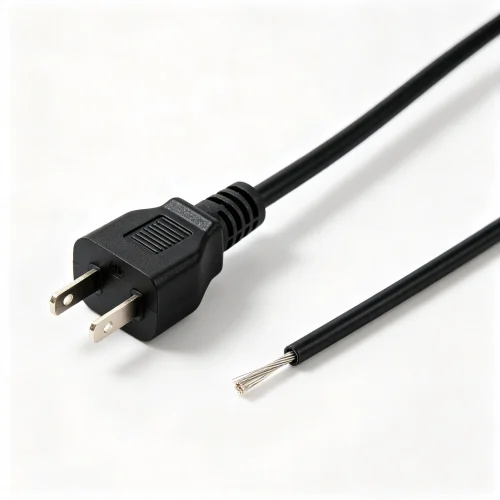
Custom cable NPI (new product introduction) is the gated process that turns a cable drawing on paper into a validated, mass-produced assembly. For B2B buyers it decides whether a program launches on schedule or slips a quarter — and most of the program cost is locked in during the first two stages, long before the first production reel is crimped.
Whether you are sourcing a custom USB cable, a shielded industrial serial assembly, or an overmolded power cord, the NPI discipline is the same. This guide breaks the process into five stages, gives you the validation tables to hold your supplier to, and ends with a checklist you can attach to your next RFQ.
What Is Custom Cable NPI?
New product introduction is the structured path from an approved design to repeatable production. In the cable industry it covers specification freeze, design-for-manufacturability (DFM) review, prototype build, validation, pilot run and ramp-up. The new product development framework used across engineering follows the same gate logic: no stage starts until the previous one exits clean.
The reason NPI matters commercially is that changes get exponentially more expensive downstream. Moving a connector pinout during DFM costs a drawing revision. The same change after tooling is cut — or after 5,000 pieces are built — means scrap, rework, and a delayed shipment.
The Five Stages of Custom Cable NPI
| Stage | Key activities | Exit deliverable | Typical duration |
|---|---|---|---|
| 1. Spec freeze | Lock drawing, wire spec, connectors, lengths, labels, packaging | Signed-off spec sheet + RFQ | 1–2 weeks |
| 2. DFM review | Supplier feedback on termination, bend radius, strain relief, tooling | DFM report + revised drawing | 3–7 days |
| 3. Prototype & validation | Build 5–20 samples; electrical, mechanical and environmental tests | Validation report + golden sample | 2–4 weeks |
| 4. Pilot run | Short run on production tooling; first-article inspection | FAI report + process parameters | 1–2 weeks |
| 5. Ramp-up | Capacity confirmation, incoming QC, packaging, traceability | Documentation pack (PPAP-style) | 2–4 weeks |
Treat every row as a gate: if the exit deliverable is missing, the program does not advance. Suppliers who skip gates usually reappear later with a field failure — and by then the tooling, the mold, and your launch date are all committed.
Stage 1–2: Spec Freeze and DFM Review
The spec freeze is where buyers win or lose the program. At minimum, your RFQ should pin down:
- Connector manufacturer and part number on both ends, plus approved alternates
- Conductor size, stranding, insulation material and voltage rating
- Cable length tolerance, breakout lengths, and overall diameter limit
- Shielding and twisting requirements for signal integrity
- Label content, print position and durability
- Packaging: individual bag, coiling direction, carton count
The DFM review is the supplier’s chance to flag what cannot be built as drawn. Common findings include a bend radius tighter than the jacket allows, a termination method that fights the wire gauge, or an overmold geometry that traps air. Catching these on paper is free; catching them at the pilot run costs a tool revision. For termination trade-offs, our comparison of solder vs crimp vs IDC is a useful reference.
Stage 3: Prototype Validation Checklist
Prototypes prove the design; they do not prove the process. Require a written validation report against this table, with actual measured values — not a generic certificate:
| Validation item | What to verify | Typical method |
|---|---|---|
| Continuity & pin-out | Every conductor lands on the correct pin; no opens or shorts | 100% continuity test on all samples |
| Hipot / dielectric withstand | Insulation holds rated test voltage | Dielectric withstand test per spec |
| Crimp pull force | Termination meets minimum pull-out force | Pull test on sample crimps |
| Mating durability | Connector survives specified insertion cycles | Cycle test (e.g., 1,000+ cycles for USB) |
| Environmental fit | IP rating, temperature range, flex or bend performance | IPX test, thermal cycling, bend-radius test |
| Dimensional & cosmetic | Length, diameter, label legibility, overmold quality | First-article dimensional report |
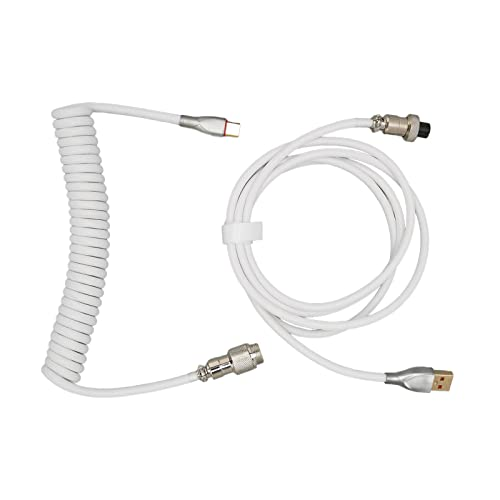
Stage 4: The Pilot Run Most Buyers Skip
The pilot run is the first time the cable is built on production tooling, with production operators, at production speed. It answers the question the prototype cannot: can this design be built repeatably? Ask for a first-article inspection (FAI) report covering crimp height, pull-force results, and process parameters such as crimp-die settings and weld energy.
A sensible pilot quantity is 5–10% of your first production order — enough to expose tooling drift and operator variability, small enough to absorb scrap. If the pilot passes, freeze the process parameters in writing; those numbers are the baseline every future batch is audited against.
Stage 5: Ramp-Up and Ongoing Control
Ramp-up converts a validated design into predictable output. Confirm capacity against your forecast (ask for the line’s daily output, not just the quoted lead time), agree on incoming-QC sampling, and require lot traceability so a field failure can be traced back to a build date and material lot. Packaging is part of the product: coiling direction, bag sealing and carton labeling all affect how the cable survives transit and how fast your line can consume it.
For programs with regional certifications, align the certification documents — UL, CE, RoHS/REACH — with the production build, not the prototype. Our cable export compliance checklist covers the document set buyers should collect at this gate.
Common Custom Cable NPI Mistakes
- Freezing the spec too late. Every post-freeze change resets the prototype clock.
- Skipping DFM. Suppliers who never push back usually push back after tooling is cut.
- No pilot run. A passing prototype is not a passing process.
- Unmanaged connector substitutions. Pin-compatible is not performance-compatible; revalidate plating and retention force.
- No packaging spec. Tangled, mislabeled cartons create downstream labor cost that never shows up in the unit price.
Custom Cable NPI Checklist for Your Next RFQ
- Drawing + spec sheet signed by engineering before quoting
- Connector part numbers with approved alternates
- DFM report requested as an RFQ deliverable, not a favor
- Prototype validation table (above) with measured values
- Golden sample signed and archived by both parties
- Pilot run with FAI report and frozen process parameters
- Traceability and sampling plan for mass production
- Certification documents matched to the production build
Need a partner for the full cycle? SYY Cable supports custom cable NPI from prototype through mass production across industrial serial communication cables, Ethernet and fiber assemblies, power cords and panel-mount waterproof connectors. Contact our engineering team with your drawing — we will return a DFM review and a gated NPI plan with your quote.