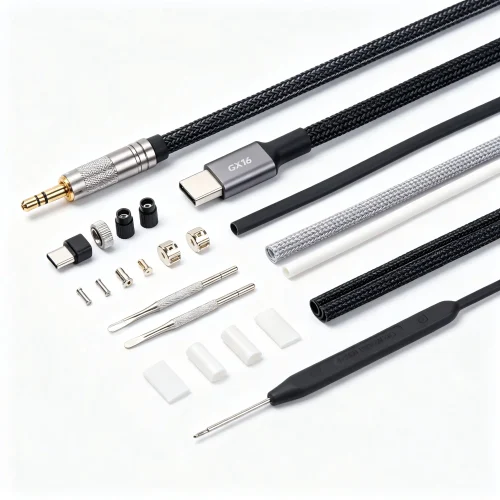
Cable glands are the small but critical components that seal a cable where it enters an enclosure, machine, or junction box. Although they are inexpensive relative to the equipment they protect, the wrong gland can cause water ingress, cable pull-out, or EMC failure — turning a minor specification slip into a field warranty claim. This guide explains how B2B buyers should specify cable glands and cordgrips so the cable entry performs as designed for the life of the installation.
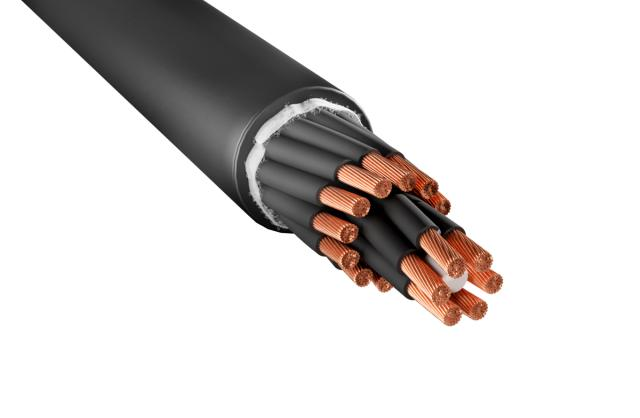
What Are Cable Glands and Cordgrips?
A cable gland (often called a cordgrip or cable connector) is a mechanical device that attaches and secures the end of an electrical cable to the equipment it feeds. Its three jobs are to anchor the cable against tension and twist, to maintain the ingress-protection rating of the enclosure, and to preserve any shield or earth continuity the system requires. A well-chosen gland clamps the cable jacket without nicking the conductors, seals against dust and water, and resists the vibration, temperature, and chemicals present in the application.
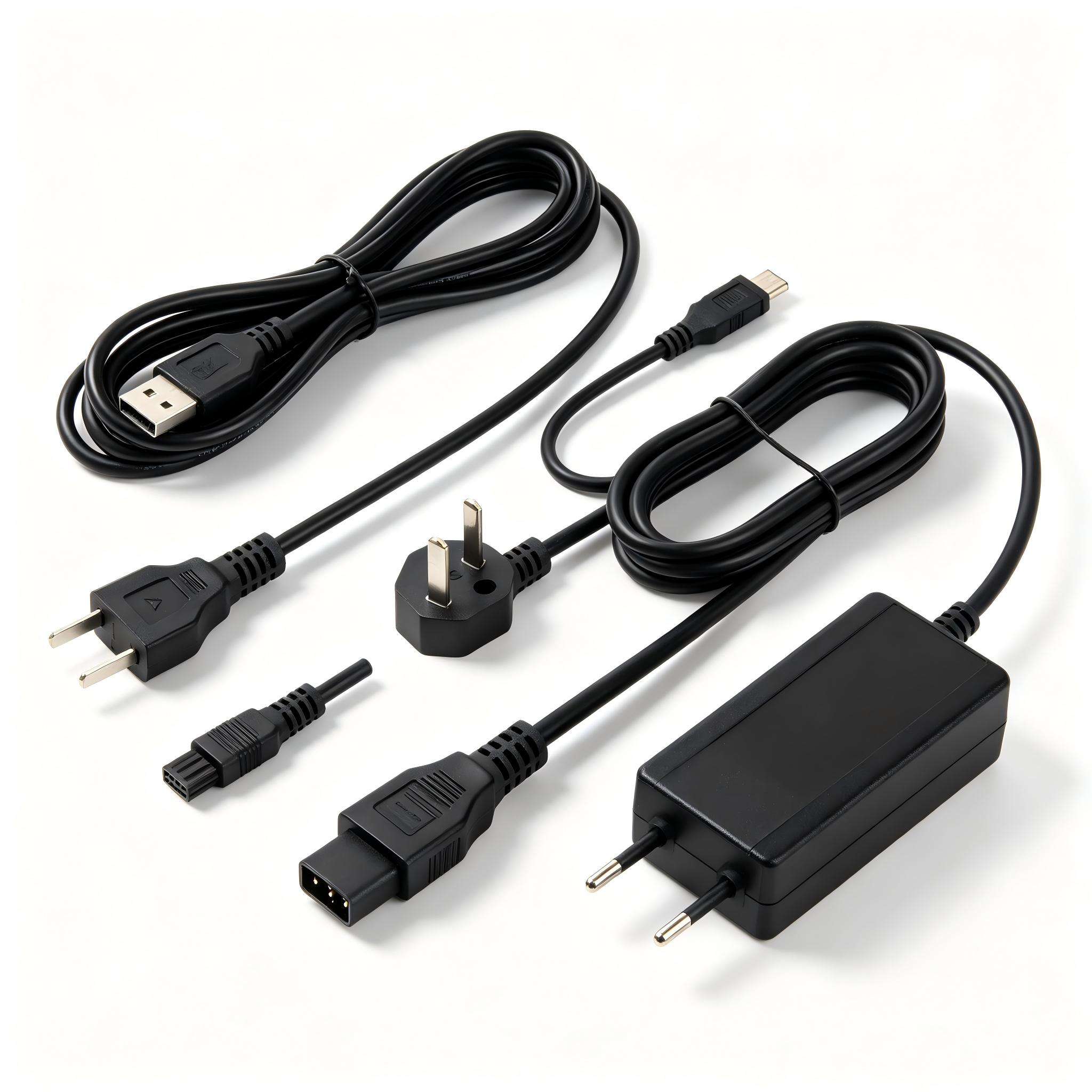
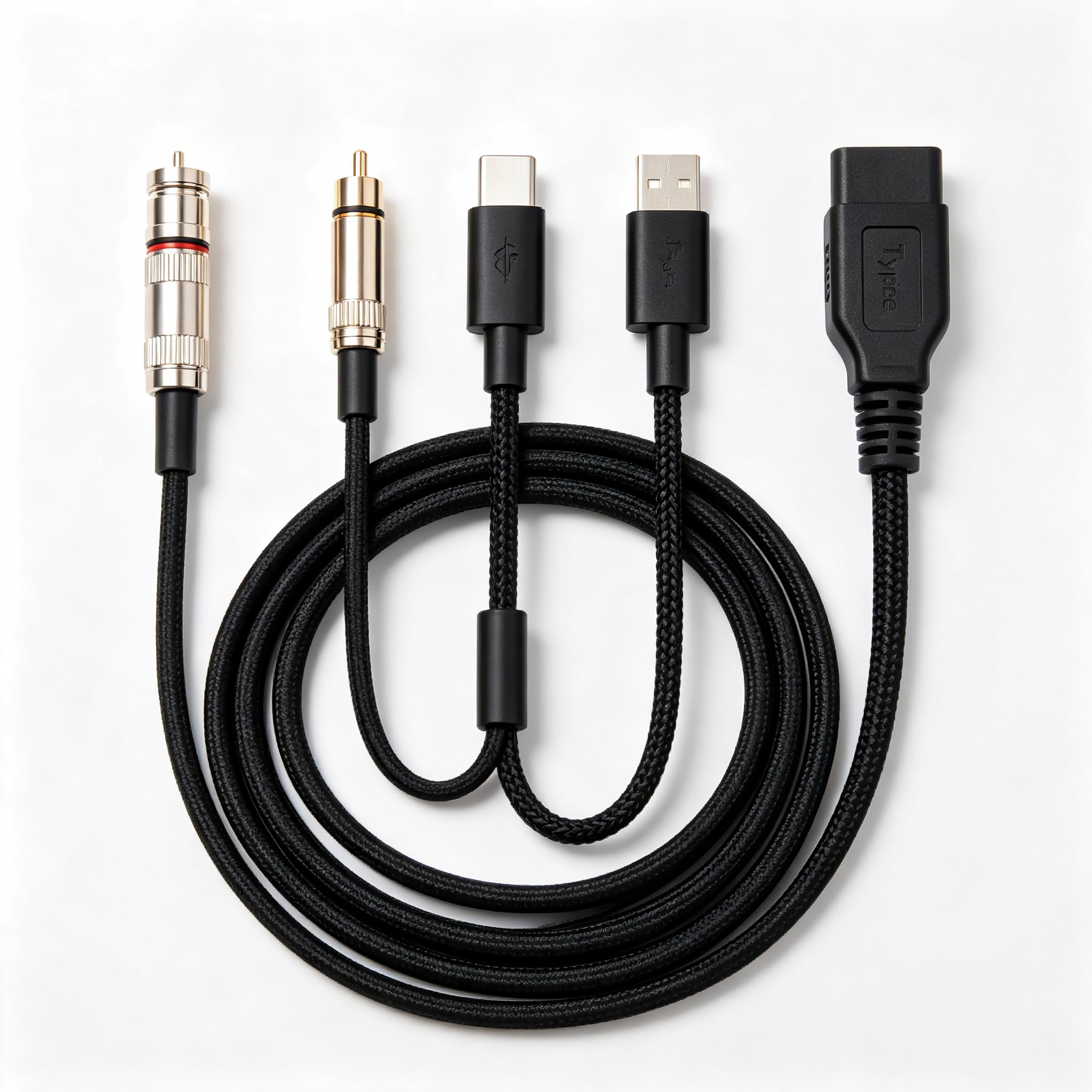
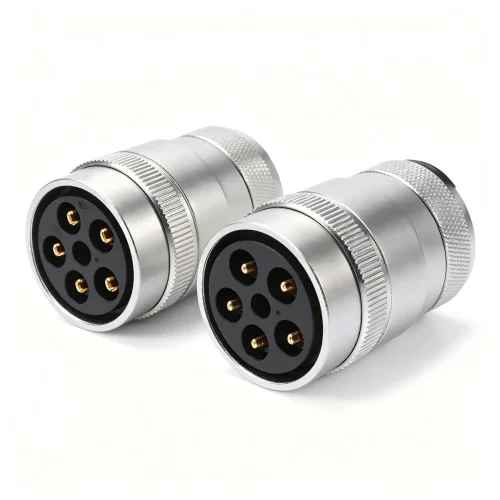
For buyers sourcing complete cable assemblies, glands are normally specified together with the cable and the panel mount waterproof connectors used at the entry point, so the whole interface shares one IP rating and approval set.
Why Ingress Protection Matters
The IP (Ingress Protection) code defines how well a gland resists solids and water. Specifying the right rating is the single most common way to avoid premature failure outdoors or in wash-down environments. The table below maps typical IP ratings to the conditions a B2B buyer should plan for.
| IP Rating | Solid Protection | Liquid Protection | Typical Use |
|---|---|---|---|
| IP54 | Dust limited | Splash from any direction | Indoor control panels |
| IP65 | Dust tight | Low-pressure jet | Factory floors, enclosures |
| IP66 | Dust tight | Strong jet / heavy seas | Outdoor, wash-down |
| IP67 | Dust tight | Immersion 1 m, 30 min | Temporary submersion |
| IP68 | Dust tight | Continuous immersion | Underground, submerged |
| IP69K | Dust tight | High-pressure, high-temp jet | Food, sanitary wash-down |
The IP rating is defined by the international standard summarized on the cable gland reference page. Note that the gland, the cable, and the enclosure must all carry the same rating — a perfect IP68 gland is useless on an IP65 box.
Thread Types and Mounting Standards
Gland threads must match the threaded hole in your enclosure, and mismatched threads are a frequent cause of leaky installations. The dominant standards are metric (ISO), NPT (tapered, common in North America), PG (Panzergewinde, legacy in German machinery), and G (BSP parallel, common in the UK and hydraulics). The table below compares them.
| Thread | Region / Use | Sealing | Notes |
|---|---|---|---|
| Metric (M) | Global, EU default | O-ring or washer | Most new designs |
| NPT | North America | Taper thread | Requires thread sealant |
| PG | Legacy German machinery | Washer | Being phased out |
| G / BSPP | UK, hydraulics | O-ring or washer | Parallel, not tapered |
Buyers should confirm the enclosure’s tapped hole size before ordering, and keep a small stock of thread adapters for mixed fleets of legacy and new equipment.
Material Selection: Brass, Stainless Steel, and Plastic
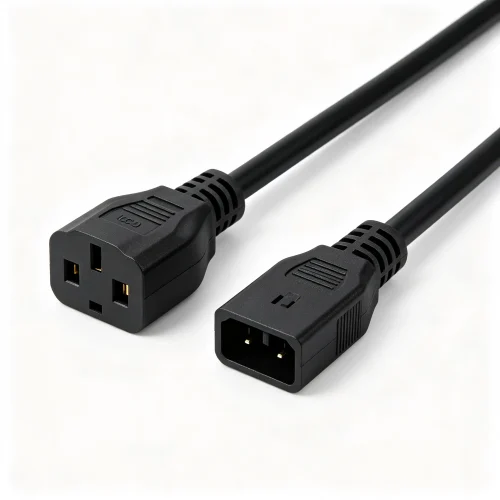
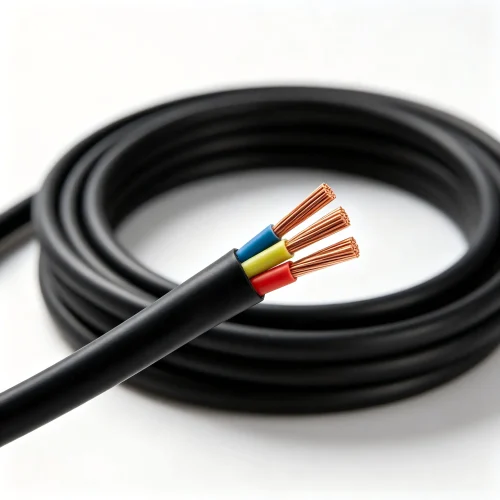
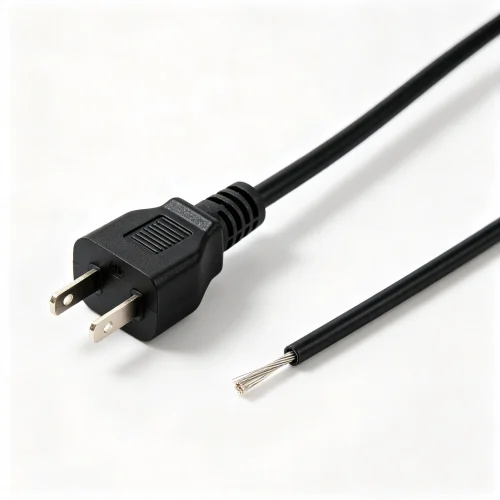
Gland bodies are typically nickel-plated brass, stainless steel (316 for corrosive or marine duty), or reinforced plastic (nylon or PP). Brass covers most industrial needs; stainless is specified for coastal, chemical, or food environments; plastic is chosen where weight, cost, or non-conductivity matters. Match the material to the power cords and power cables and the corrosiveness of the site.
| Material | Strength | Corrosion | Cost | Best For |
|---|---|---|---|---|
| Nickel brass | High | Good | Low | General industrial |
| 316 stainless | High | Excellent | High | Marine, chemical |
| Nylon / PP | Medium | Good (non-metal) | Low | Light, non-conductive |
How to Choose Cable Glands for Your Application
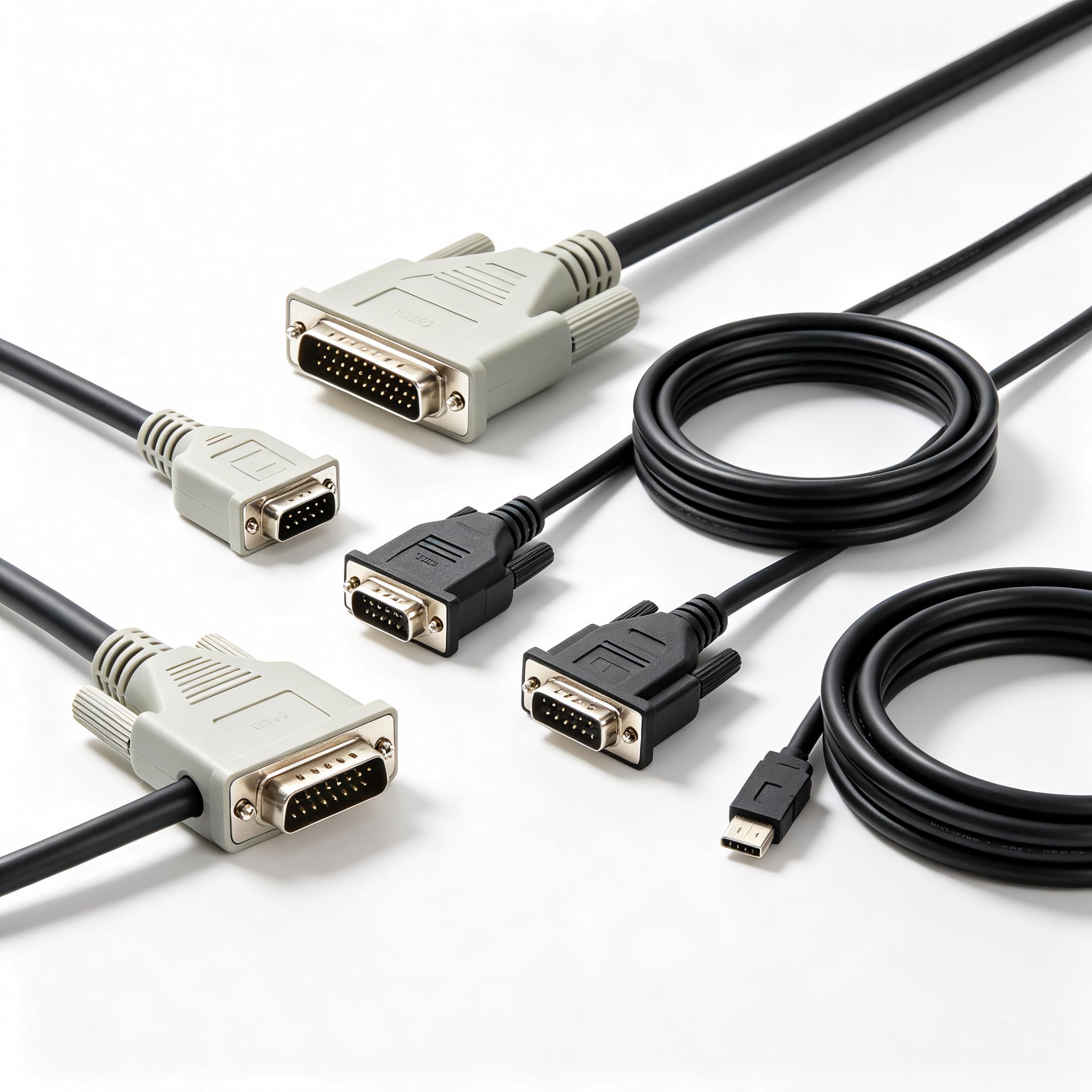
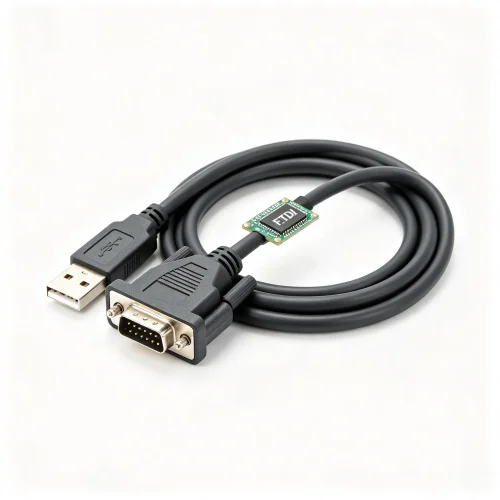
Choosing the right cable glands starts with four numbers: the cable outer diameter, the enclosure hole size, the required IP rating, and the clamping range. A gland’s clamping range must cover your cable’s OD with margin on both sides; a gland sized too large will not seal, and one sized too small will not fit. For shielded cables, select an EMC gland that clamps the shield for continuous earthing, and pair it with serial and industrial communication cables that expose the shield at the termination.
In damp or networked environments, also consider glands with integrated seals for network and fiber cables so the entry point does not become the weak link in an otherwise rugged run.
Cable Gland RFQ Checklist
- Cable outer diameter and clamping range required.
- Enclosure hole size and thread standard (metric / NPT / PG / G).
- Target IP rating for the installation environment.
- Body material (brass, stainless, or plastic).
- Shielded (EMC) or non-shielded requirement.
- Temperature, UV, and chemical exposure.
- Approvals needed (UL, CE, RoHS, ATEX for hazardous areas).
- Quantity, color, and delivery lead time.
Common Mistakes When Specifying Cable Glands
- Assuming the enclosure IP rating applies to the gland — verify both.
- Ordering the wrong thread standard for the panel.
- Picking a gland outside the cable’s clamping range.
- Forgetting EMC earthing on shielded data cables.
- Mixing metal and plastic in the same corrosive environment without review.
A few minutes on the specification sheet prevents most field failures. If you need help matching glands, threads, and cables for a specific project, contact our engineering team for a matched bill of materials and a quote.