Getting cable insulation and voltage rating right is what separates a cable that lasts a decade from one that fails a safety audit. Insulation is the dielectric layer that keeps conductors separated and the current where it belongs, while the voltage rating tells you how much electrical stress that layer can survive indefinitely. Buyers who treat these as afterthoughts usually discover the problem only when a shipment is rejected at the border or a unit fails in the field.
What Is Cable Insulation and Why Voltage Rating Matters
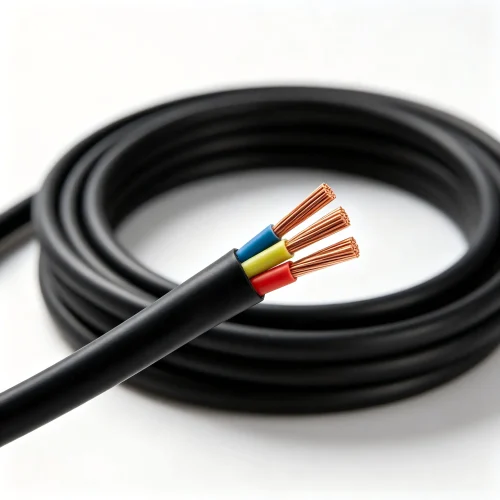
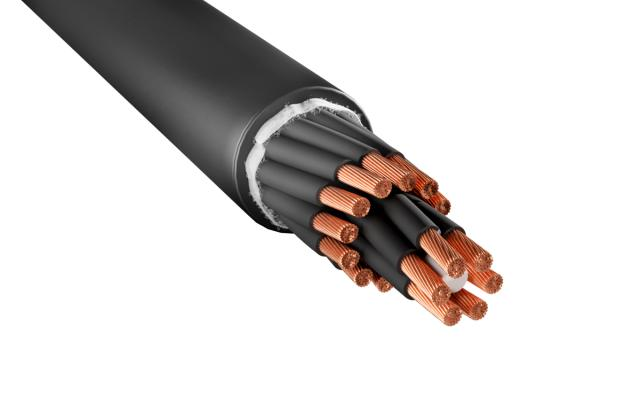
Cable insulation is the non-conductive material extruded or wrapped around a conductor. Its job is twofold: electrical isolation and mechanical protection. The voltage rating is not a single number – it is a stack of limits that includes the conductor-to-conductor working voltage, the conductor-to-shield voltage, and the dielectric withstand (hipot) test level applied once at the factory.
Working voltage is the continuous level the cable may see in normal service. Withstand voltage is a short-duration proof test, typically several times the working voltage, that catches pinholes and thin spots before shipping. Specifying only one of the two is one of the most common RFQ gaps we see from new buyers.
Insulation Materials Compared: PVC, PE, XLPE & PTFE
Each dielectric trades cost against temperature range, dielectric constant, and chemical resistance. The table below summarizes the four materials most often quoted for industrial and export cable assemblies.
| Material | Max temp | Dielectric strength | Best for |
|---|---|---|---|
| PVC | 70-105 °C | Good | General wiring, low cost |
| PE (polyethylene) | 80 °C | Very good | Data, low-loss signal |
| XLPE (cross-linked) | 90-125 °C | Excellent | Power, higher voltage |
| PTFE | 200-260 °C | Excellent | High temp, harsh chemical |
How to Read a Voltage Rating on a Datasheet
A complete rating usually reads as two numbers, for example “300/500 V”. The lower figure is the voltage between a conductor and ground; the higher figure is the voltage between two conductors in the same cable. A third figure, the test voltage (often 1.5-3 kV for a minute), belongs to quality control rather than continuous operation.
If your datasheet shows only one number, ask the supplier which definition it uses. That single question prevents the mismatch that causes most insulation-related rejections at incoming inspection.
Cable Insulation vs Voltage Rating: Specification Comparison
| Spec factor | Insulation layer | Voltage rating |
|---|---|---|
| What it defines | Material & thickness | Safe operating level |
| Key property | Dielectric constant | Breakdown / withstand |
| Test method | Wall thickness, elongation | Hipot, insulation resistance |
| Failure mode | Cracking, embrittlement | Arcing, tracking |
| Driven by | Temperature, chemicals | Circuit voltage, transients |
Six Specs Buyers Must Verify Before Ordering
- Working voltage – confirm both conductor-to-ground and conductor-to-conductor ratings, not just one.
- Temperature range – match the dielectric to the hottest sustained ambient, plus a safety margin.
- Insulation wall thickness – undersized walls cut dielectric strength even when the material is correct.
- Hipot test level – ask for the proof voltage and the test duration in the inspection report.
- Flammability rating – specify the required flame class for the target market.
- Compliance marks – UL, CE, or RoHS depending on where the assembly will be installed.
Where These Specs Apply in Our Product Range
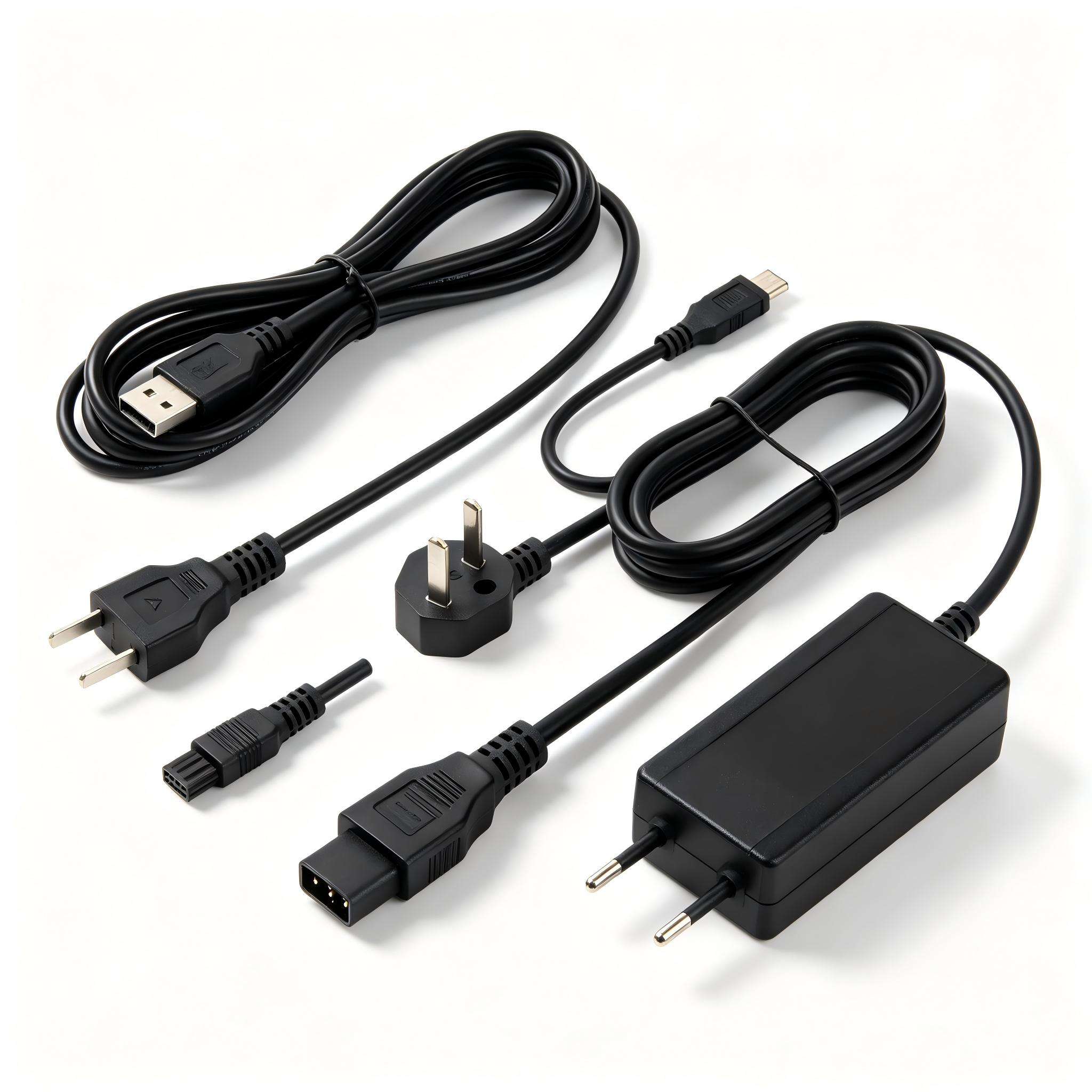
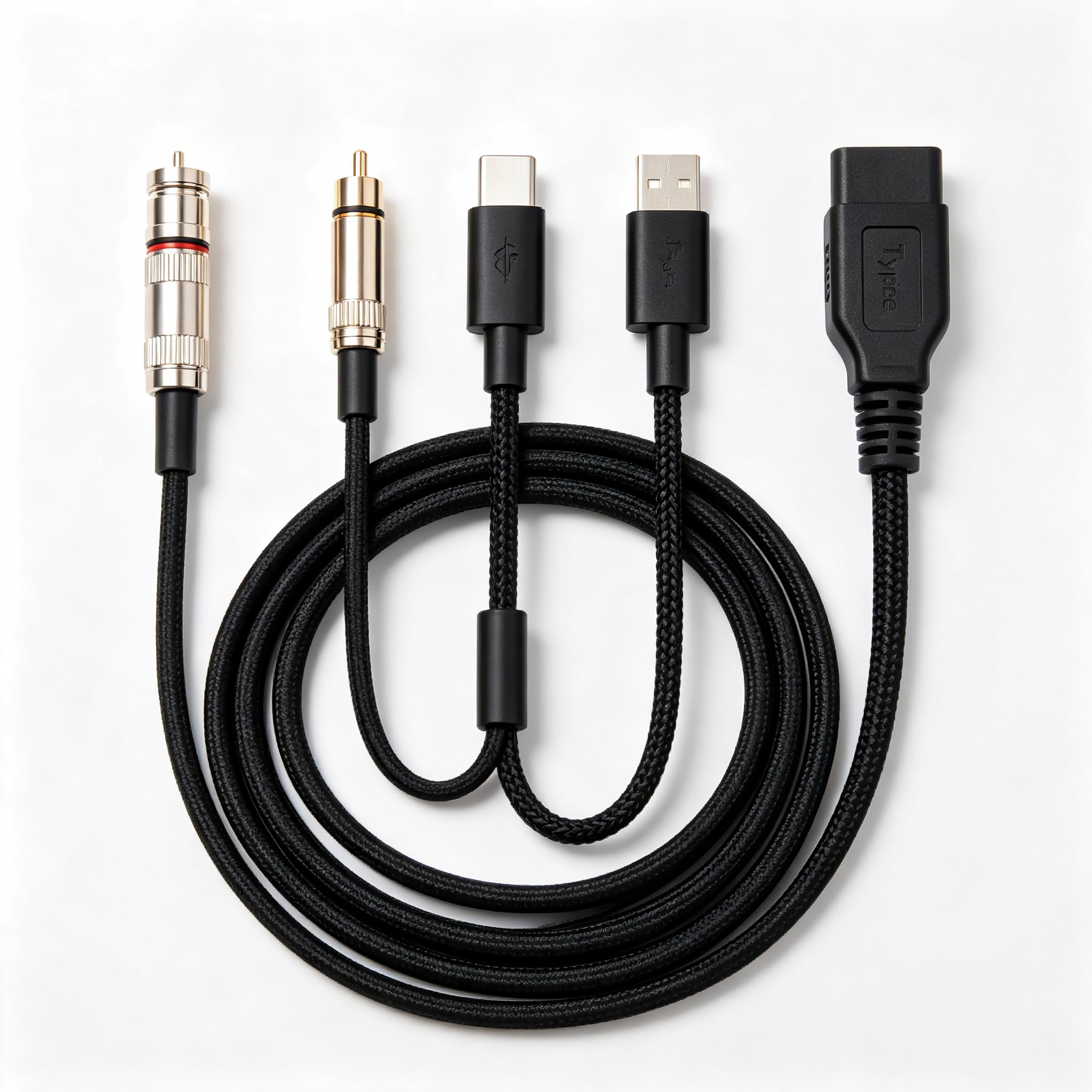
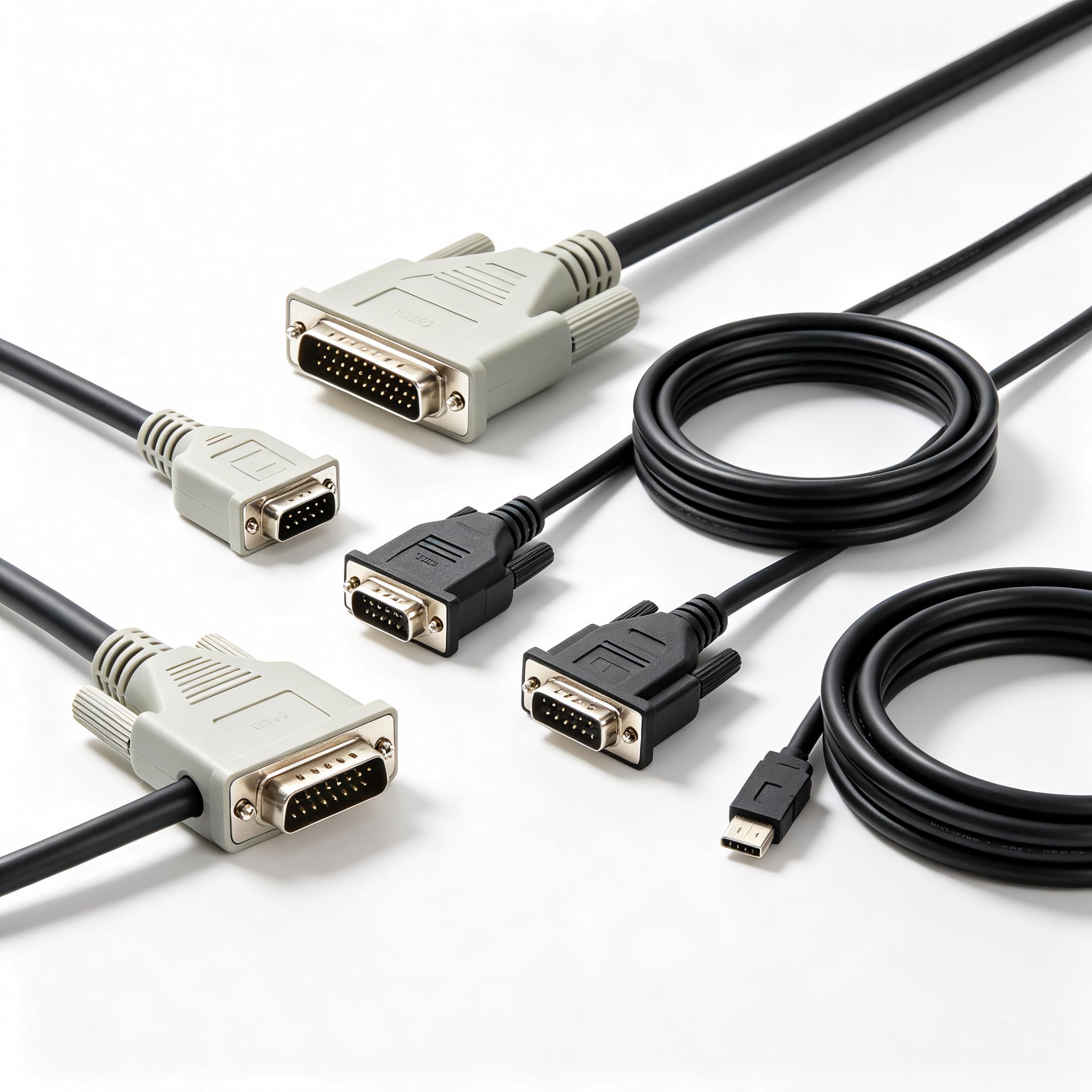
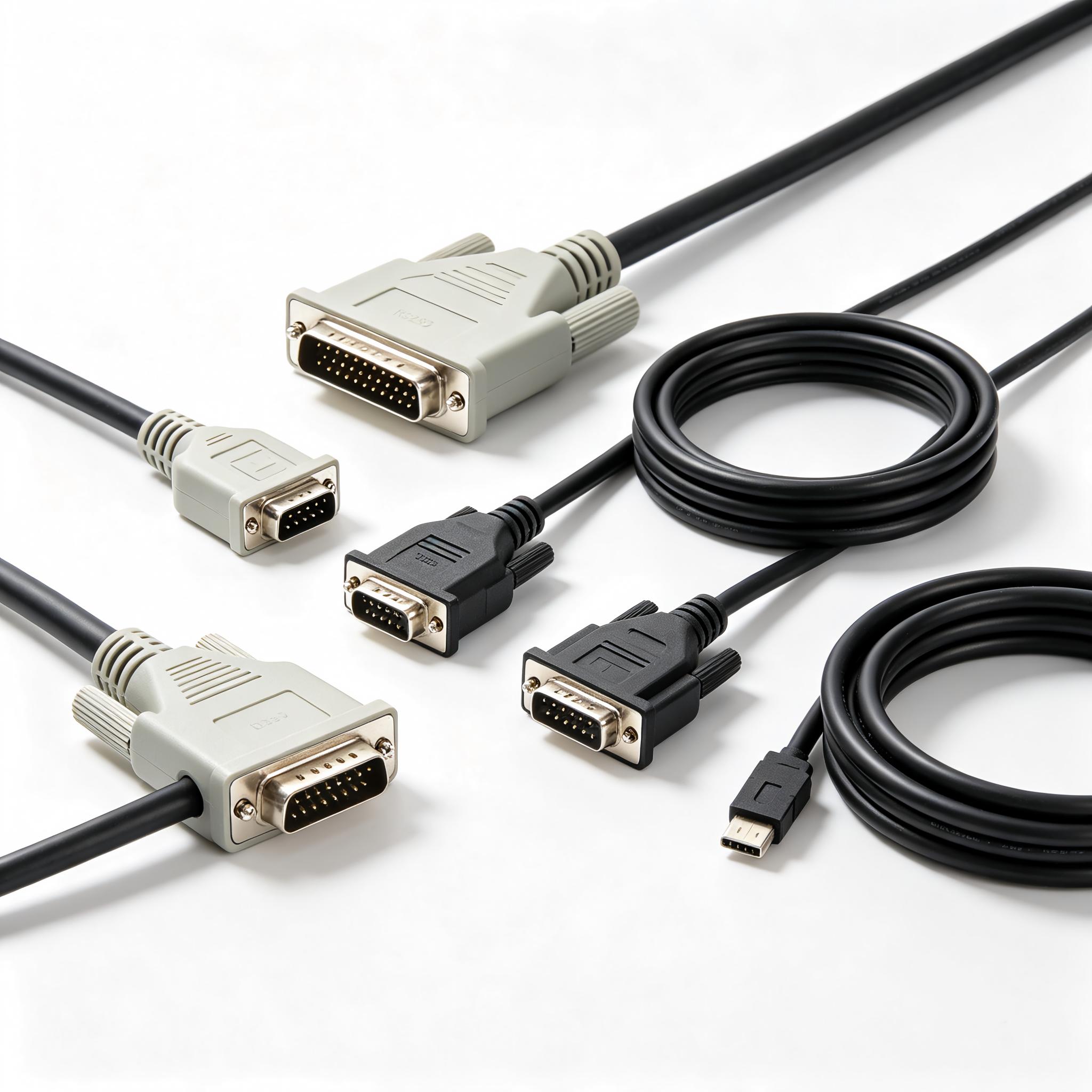
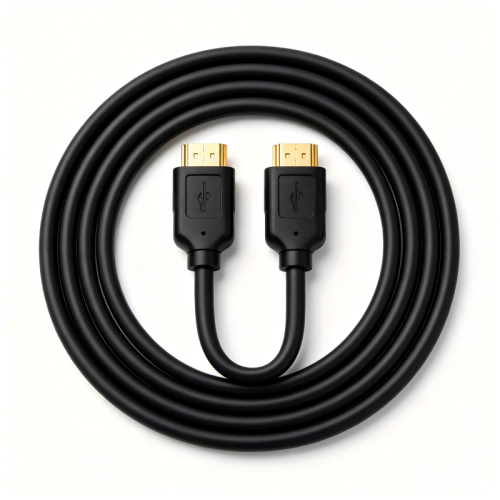
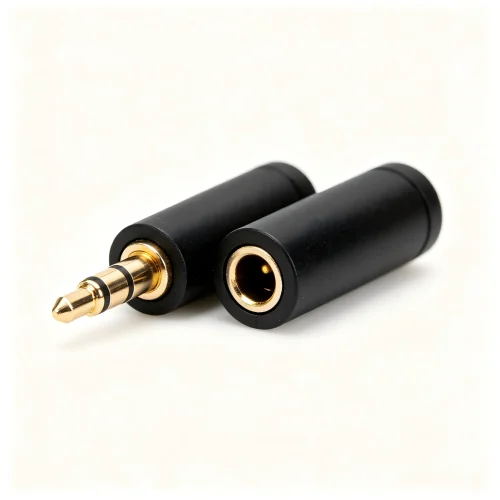
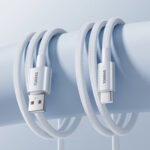
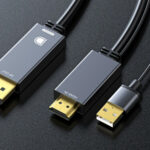
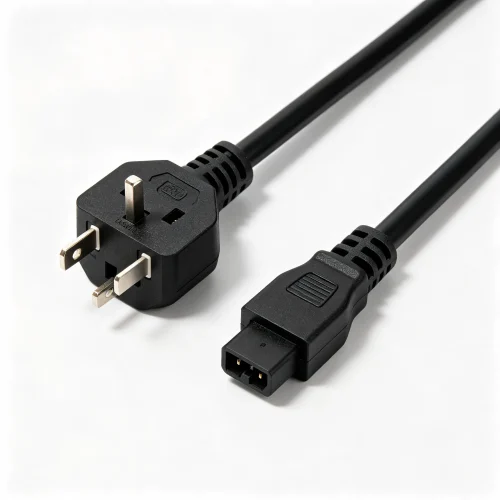
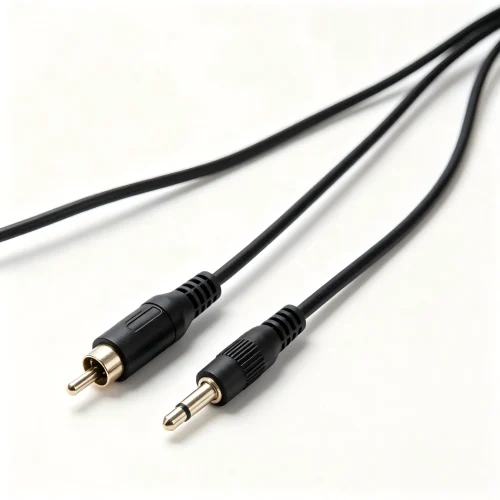
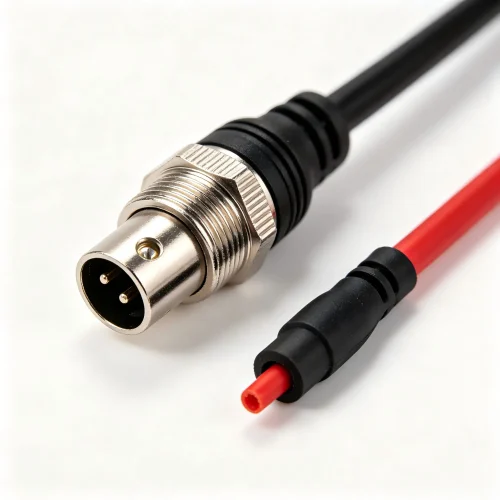
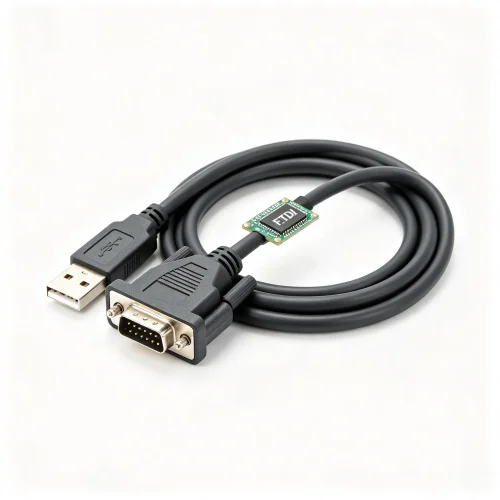
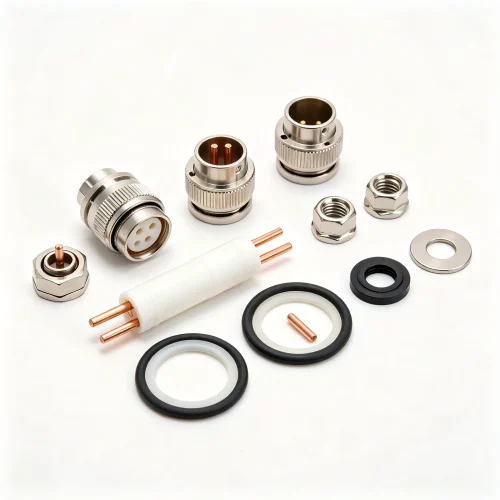
Voltage and insulation choices are not abstract – they show up in every assembly we build. Our power cords and power cables are rated for mains working voltages with XLPE or PVC insulation, while serial and industrial communication cables use low-capacitance PE insulation for clean signal integrity. For applications exposed to moisture we recommend panel-mount waterproof connectors, and for high-flex runs network and fiber cables pair a tough jacket with a stable dielectric.
Common Insulation Mistakes in B2B RFQs
The most frequent errors are quoting a working voltage from a marketing page instead of the test report, ignoring the temperature derating above 40 °C ambient, and choosing PVC for outdoor runs where UV exposure embrittles the jacket within a season. Another is confusing the cable’s voltage rating with the connector’s rating – the lower of the two always governs the assembly.
How Operating Conditions Change the Real Limit
A voltage rating printed on a datasheet assumes a set of reference conditions: a defined ambient temperature, a fixed installation method, and a clean, dry environment. Move away from any of those and the usable limit drops. Bundling many current-carrying conductors into one conduit traps heat, so the effective temperature rises and the dielectric ages faster. Altitude reduces the air clearance that supports the insulation, which is why high-altitude installations often need a higher-rated cable than the same circuit at sea level.
Moisture is the other silent factor. Water ingress into a compromised jacket lowers insulation resistance and can create tracking paths across the surface. That is why outdoor and washdown installations should pair a stable dielectric with an IP-rated jacket and sealed terminations rather than relying on the voltage rating alone.
Mechanical stress also matters. Repeated flexing at a tight bend radius can thin the insulation wall over time, and a wall that starts marginally compliant can drift below the required dielectric strength long before the cable reaches its rated life. Specify the bend radius and flex cycles together with the voltage figure, never in isolation.
Derating Reference: What Changes the Safe Voltage
| Condition | Effect on usable rating | Buyer action |
|---|---|---|
| Ambient above 40 °C | Reduced | Apply the supplier’s derating table |
| Conductors bundled | Reduced | Derate for grouped installation |
| High altitude | Reduced | Specify a higher-rated cable |
| Continuous flexing | Reduced over time | Confirm bend radius and flex life |
| Clean, dry, open air | Rated value | Use the datasheet as published |
For the underlying electrical definitions, see the electrical insulation overview on Wikipedia. Note that we cannot load this page from our factory network, so verify the exact figures against the relevant IEC or UL standard before you sign off a drawing.
Ready to turn these six specs into a quotation? Contact our engineering team with your voltage, temperature, and compliance requirements and we will return a build-ready proposal.