

The global DC power cords market is projected to reach USD 8.05 billion by 2032, growing at a CAGR of 6.32% from 2026 onward, driven by the rapid expansion of renewable energy, industrial IoT and factory automation systems worldwide. Custom DC assemblies now account for 35.8% of total market revenue, as buyers move beyond standard cords to application-specific solutions.
Below are 4 key trends reshaping DC power cable design and industrial sourcing decisions.
1. Solar PV deployment drives outdoor-rated DC cable demand
Solar photovoltaic systems rely entirely on DC power transmission between panels, inverters and battery storage. This is creating strong demand for UV-resistant, weatherproof DC cables rated for long-term outdoor exposure. Utility-scale solar farms and rooftop commercial installations are both pushing volume growth, with specifications shifting toward higher voltage ratings and XLPE insulation for improved durability and efficiency.
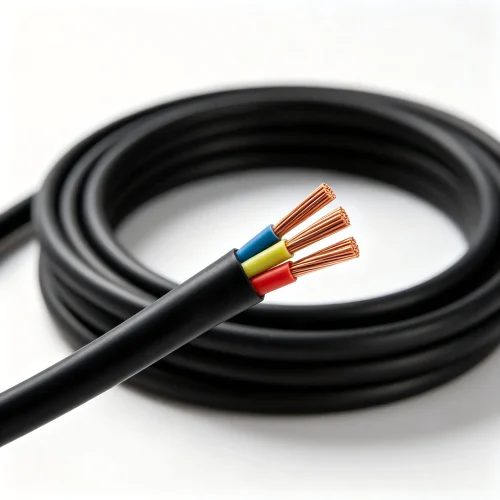
SYY’s outdoor-rated DC power cables support solar and renewable energy applications with UV-stabilized jackets and high-purity copper conductors.
2. Edge IoT and telecom infrastructure expands low-voltage DC needs
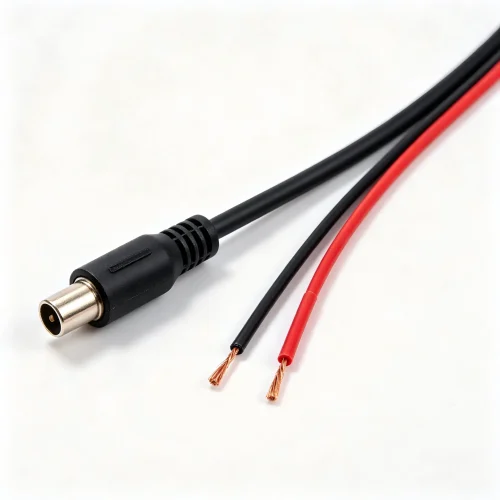
5G base stations, edge computing nodes and industrial IoT sensor networks predominantly use low-voltage DC power architecture. This is driving steady growth in -48V DC power cables and compact DC pigtail leads designed for rack-mounted and field-deployed equipment. Reliability and consistent performance across temperature extremes are the top priorities for infrastructure buyers.
3. Factory automation shifts to DC-powered field devices
As factories add more sensors, actuators and vision systems, DC power has become the standard for field-level industrial devices. This trend favors multi-conductor DC cables, shielded designs for EMI resistance, and custom-length pigtail assemblies that reduce on-site installation labor. Performance requirements are also rising, with tighter tolerance for voltage drop over long cable runs.
This aligns with our broader industrial connectivity portfolio, where power and signal cables are increasingly engineered as integrated solutions.
4. Buyers shift from bulk cord to pre-assembled solutions
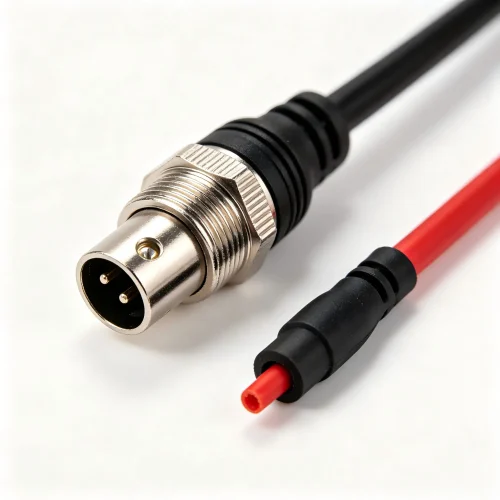
Procurement teams are moving away from purchasing bulk cable and connectors separately. Instead, they are sourcing pre-terminated, fully tested DC cable assemblies to reduce installation time, improve quality consistency and simplify supply chain traceability. This shift favors manufacturers with in-house overmolding, testing and custom engineering capabilities.
For industrial sourcing teams, the takeaway is clear: DC power is no longer a commodity category. Selecting a supplier that can deliver both standard cords and application-specific custom assemblies will become increasingly critical as systems grow more specialized.
Stay tuned to the Industry News category for more market updates and technical insights.


















Une réponse