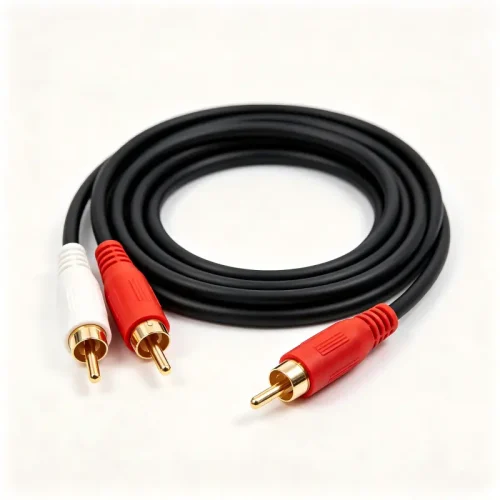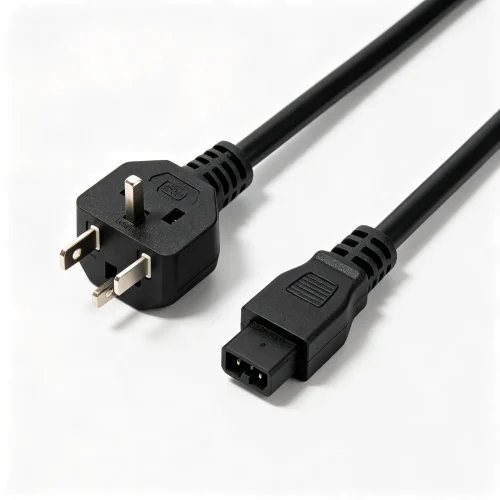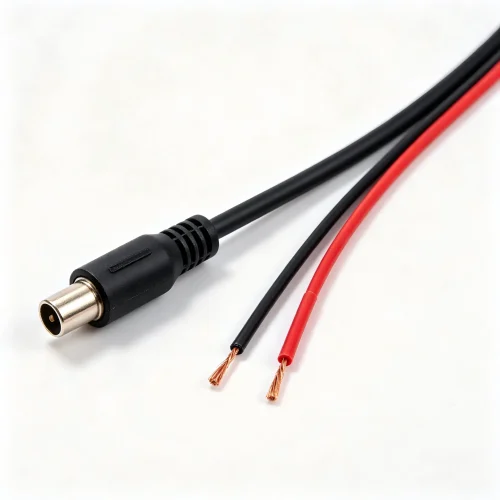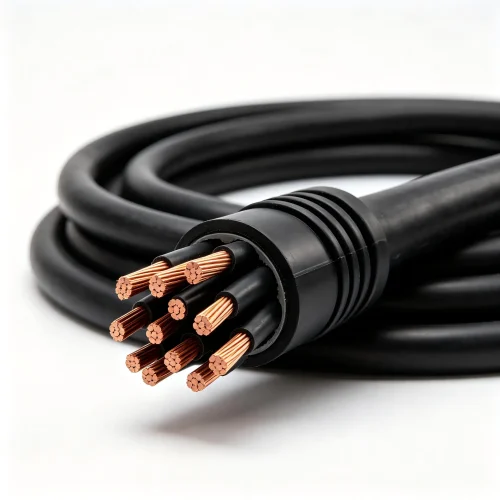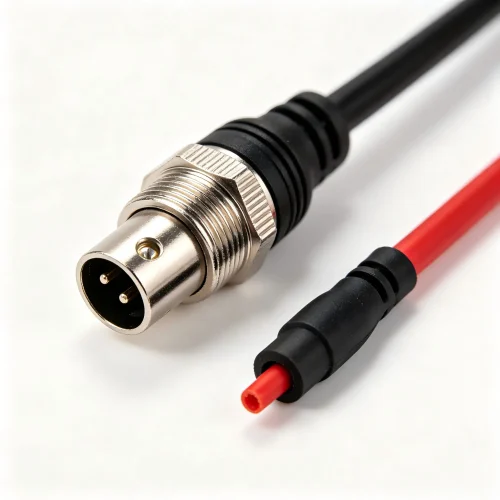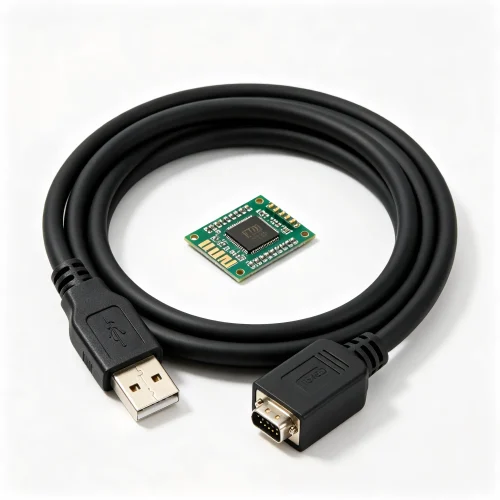
Choosing the right overmolded connectors versus field-installable connectors is one of the most consequential decisions B2B buyers make when specifying a custom cable assembly. The build style drives unit cost, ingress protection, strain relief, lead time, and how easily a harness can later be repaired in the field.
What Are Overmolded Connectors?
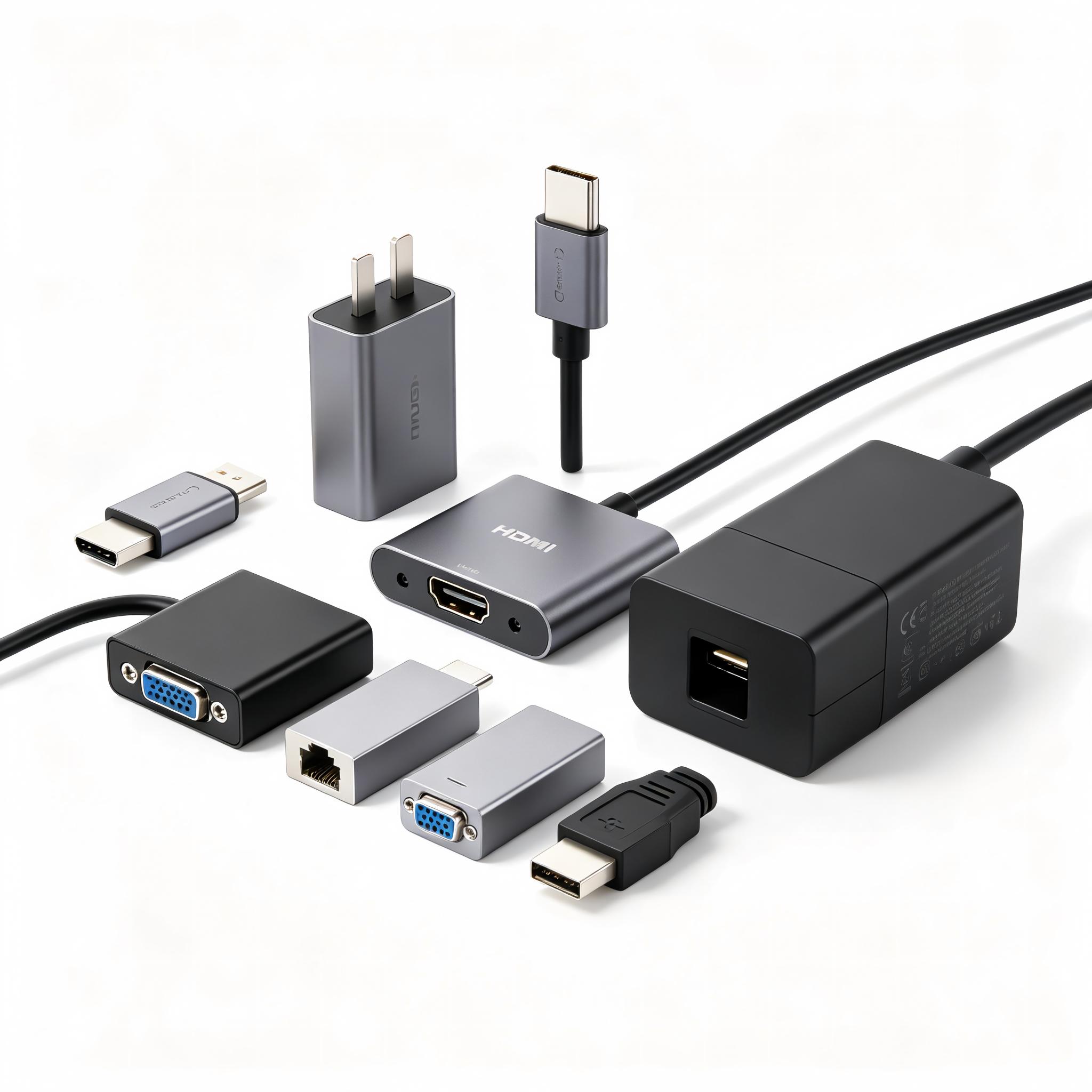
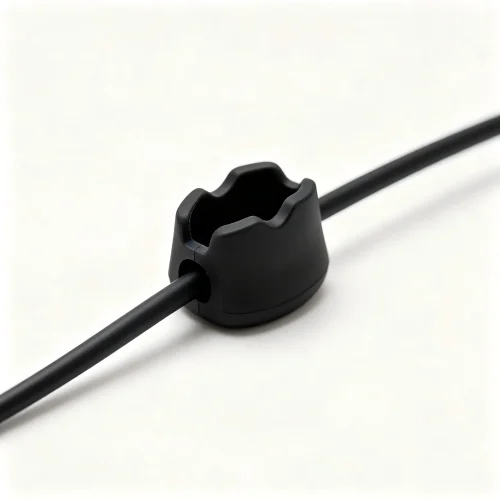
An overmolded connector is produced by placing a crimped or soldered contact and cable into a mold cavity, then injecting thermoplastic resin (typically TPE, PVC, or PUR) directly around the termination. The result is a single, seamless hood that fuses the cable jacket and the connector shell into one part. Because there is no gap between cable and shell, the joint resists moisture, vibration, and pull-out forces better than any assembled alternative. Our panel-mount waterproof connectors and adapters and converters are frequently delivered in this style for harsh-environment use. The same process can also encapsulate strain reliefs, boots, and even integrated seals, so a single overmolded part often replaces three or four discrete components found in a traditional assembled connector.
What Are Field-Installable Connectors?
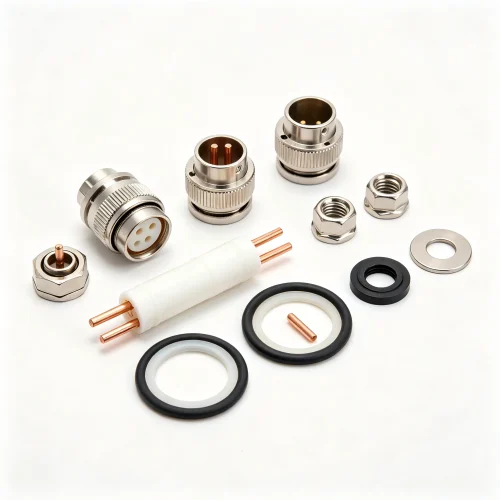
Field-installable (sometimes called field-attachable) connectors ship as a kit: a metal or plastic housing, a strain-relief gland, and a contact carrier. A technician assembles the connector on-site by crimping or screwing down the contacts and tightening the shell. No injection mold is required, so first articles are available in days rather than weeks. This makes them ideal for maintenance, repair, and operations (MRO) stock and for one-off custom lengths across serial and industrial communication cables. Because the shell is reusable, a single spare kit can service many cable types on the same machine, which simplifies storeroom planning and cuts downtime during emergency repairs.
Overmolded Connectors vs Field-Installable: Specification Comparison
| Factor | Overmolded Connectors | Field-Installable Connectors |
|---|---|---|
| Tooling / NRE | High (one-time injection mold) | None or low |
| Unit cost at volume | Low | Higher per piece |
| First-article lead time | 2–4 weeks (mold build) | Days (stock kits) |
| IP / waterproof rating | Up to IP67 / IP68 sealed | IP65–IP67 (gland dependent) |
| Strain relief | Integral, very robust | Good, adjustable gland |
| Repairability | Low (replace assembly) | High (re-terminate in field) |
| Best for | High-volume, hostile environments | Low-volume, MRO, custom lengths |
Which Connector Families Suit Each Build?
| Connector family | Typical build | Notes |
|---|---|---|
| M8 / M12 circular | Overmolded or field | Field common for MRO; overmolded for volume |
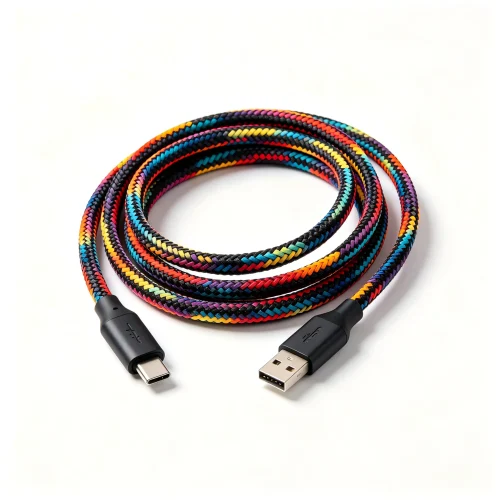
| USB Type-C | Overmolded | Sealed shell, high repeat-mate cycles |
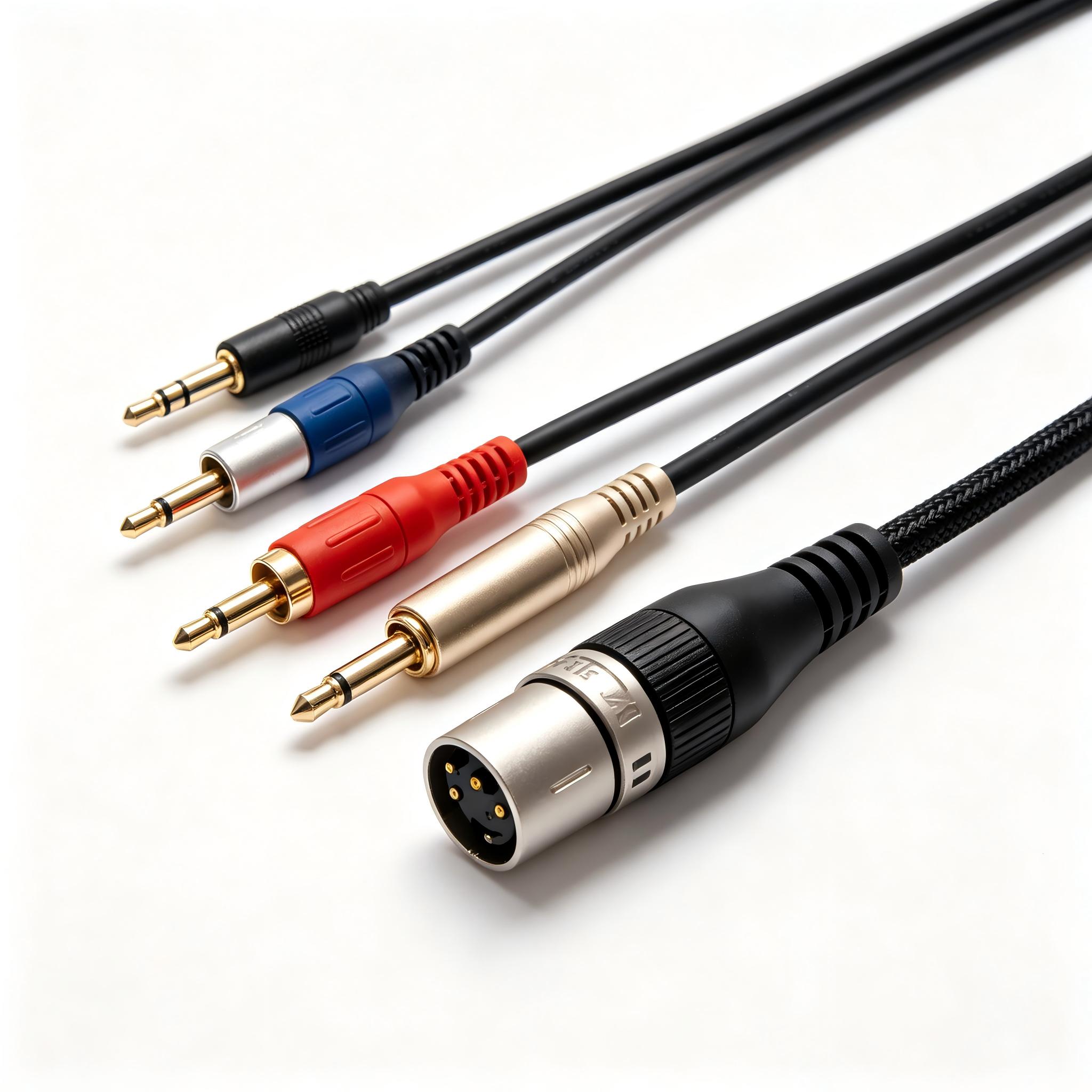
| XLR / balanced audio | Field or overmolded | See our audio cable range |
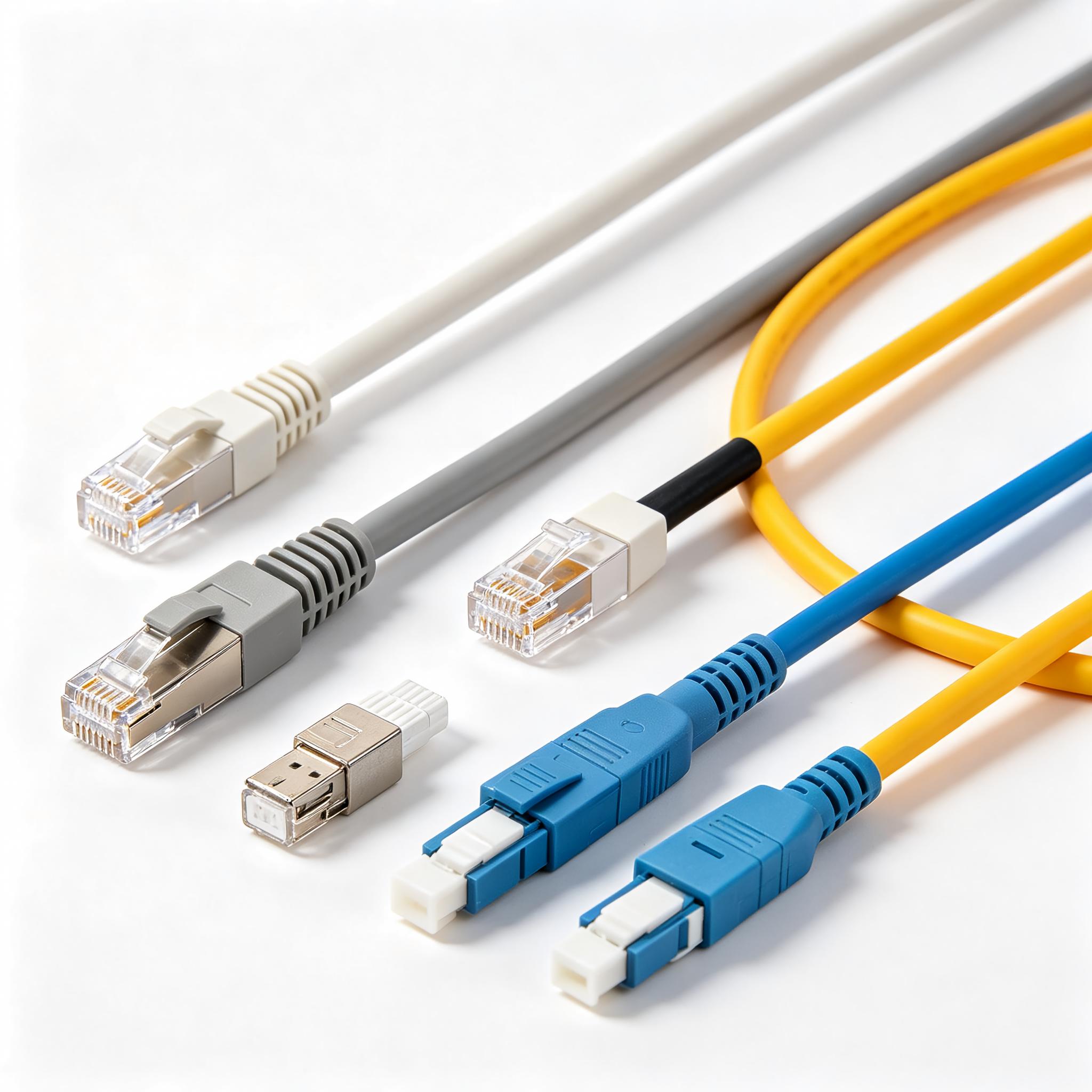
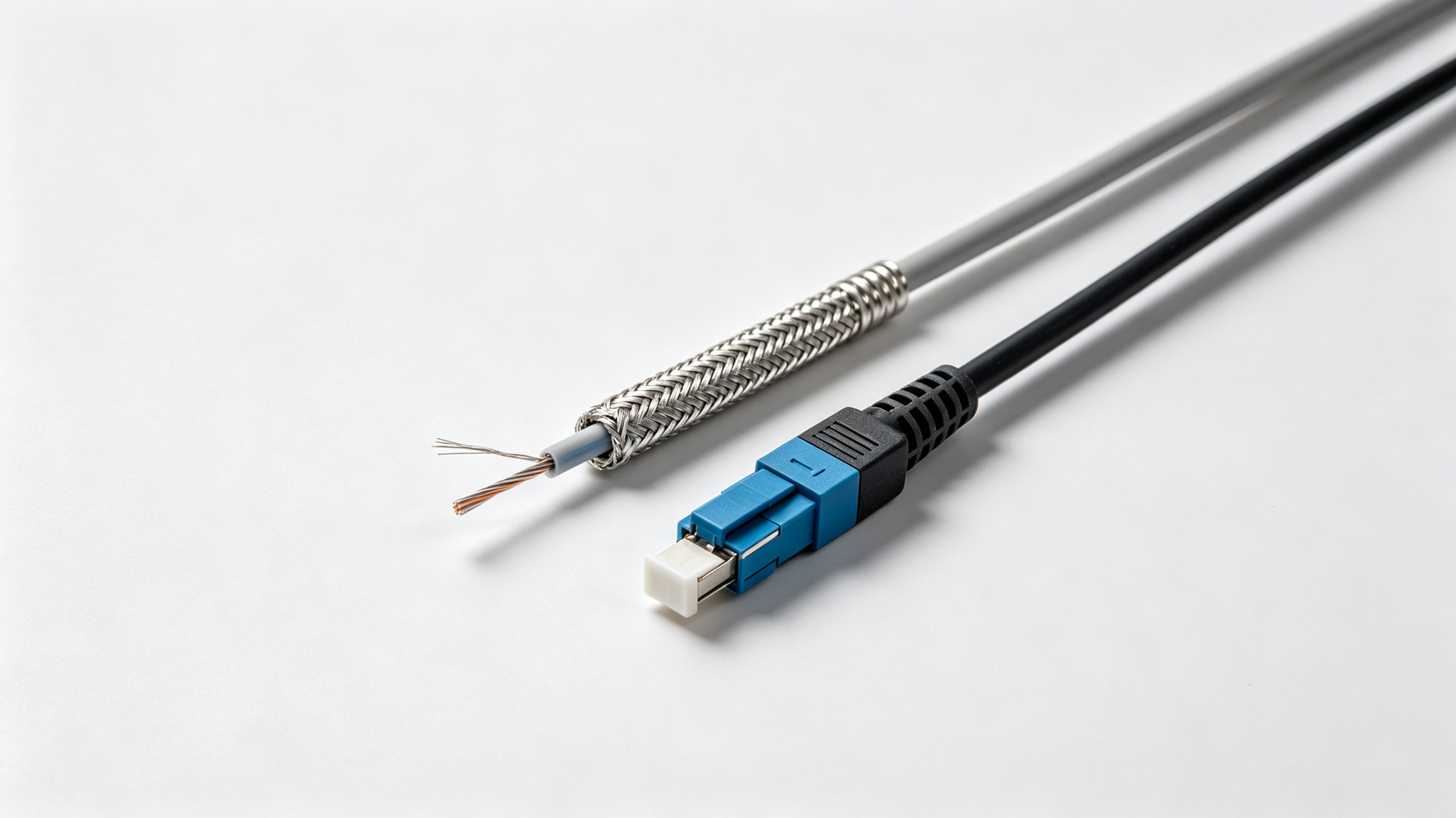
| RJ45 / LC fiber | Overmolded patch | Precision mold for category compliance |
| HDMI / DisplayPort | Overmolded | Strain-sensitive, needs sealed hood |
The Cost Cross-Over: When Does Tooling Pay Off?
As a rule of thumb, the break-even between a field-installable build and an overmolded build usually lands between 300 and 1,000 pieces, depending on connector price and mold complexity. Below that band, the saved NRE outweighs the higher per-piece cost; above it, the lower unit cost and superior sealing of an overmolded connector win. Share your 12-month forecast with the supplier so they can model the cross-over for your program.
Quality Validation: What to Ask For
Before approving production, request a pull-test report (a typical overmolded joint retains beyond 80 N on a 4 mm jacket), an IP verification certificate for the rated level, and a continuity and hi-pot test on every piece for critical runs. For power cords and power cables, confirm the relevant regional approvals are marked on the mold.
How to Specify Overmolded Connectors in Your RFQ
When you request a quote, state the connector family, pin count, wire gauge, jacket material, and the required USB or audio interface if applicable. Tell the manufacturer your annual volume: below roughly 500 pieces, field-installable often wins on total cost; above that, the amortized tooling of an overmolded build usually pays off. Also confirm the mating connector and any polarization or keying you need.
When Field-Installable Connectors Are the Better Fit
If your order is a prototype, a short run, or a spare-part program, field-installable connectors remove the NRE barrier and let you cut cables to exact site lengths. They are also the pragmatic choice when a connector must be re-terminated after installation—common in network and fiber cable closets and control cabinets.
IP Rating and Strain Relief: The Deciding Factors
For wash-down, outdoor, or continuous-flex duty, the sealed seam of an overmolded connector is hard to beat. The IP code defines how well a build resists dust and water; specify at least IP67 for submerged or hosed-down service. Where cables flex in drag chains, pair the correct build with the right bend radius and jacket to protect both the conductor and the joint.
Final Checklist Before You Order
- Confirm annual volume to decide overmolded vs field-installable.
- State IP rating, pin count, and wire gauge in the RFQ.
- Verify mating connector and keying/polarization.
- Ask for a first-article sample and pull-test report.
- Clarify repair policy for field-installable builds.
Get a Quote for Your Cable Assembly
Need help deciding between overmolded and field-installable connectors for your application? Contact our engineering team with your drawing or spec sheet, and we will return a DFM review and a volume-based quote.