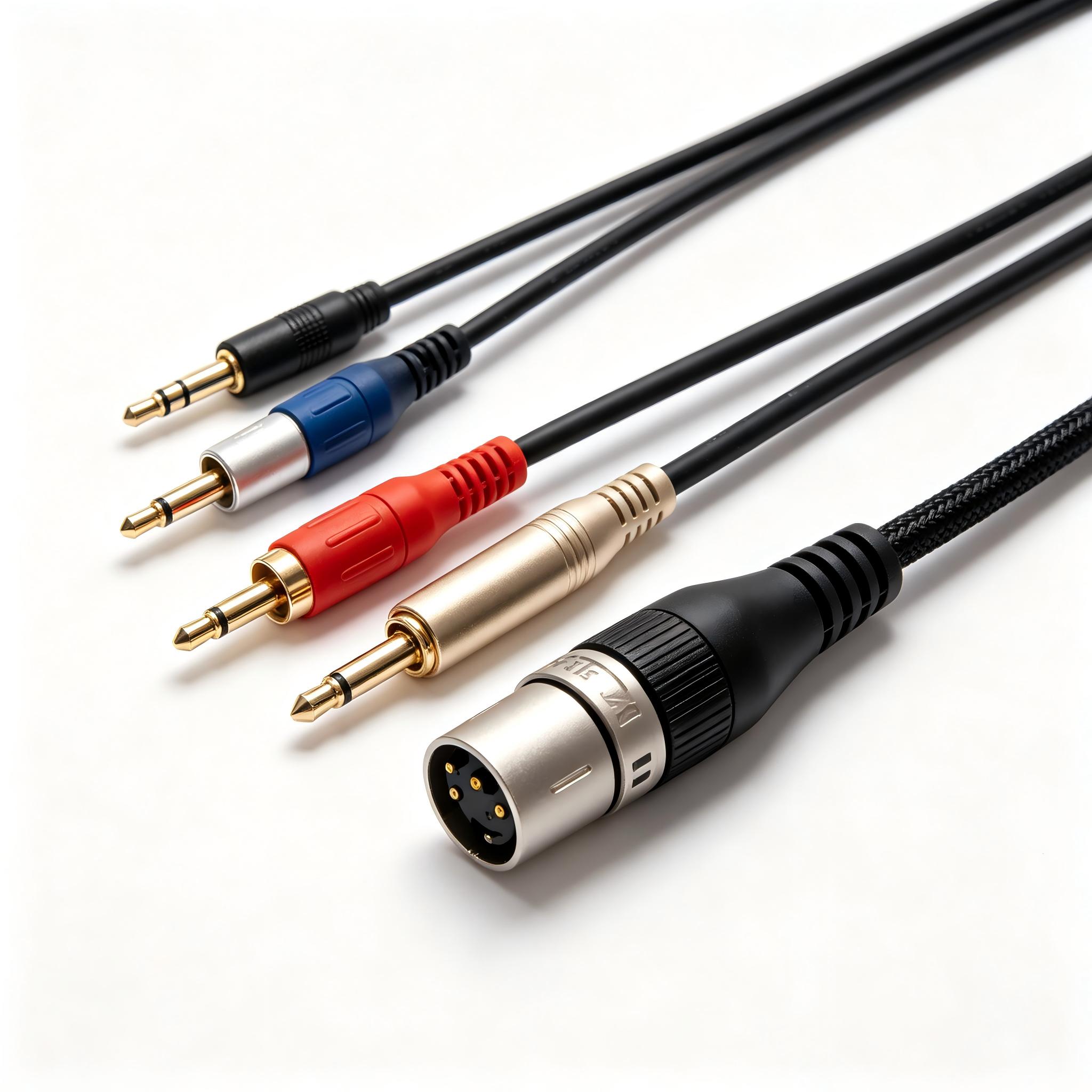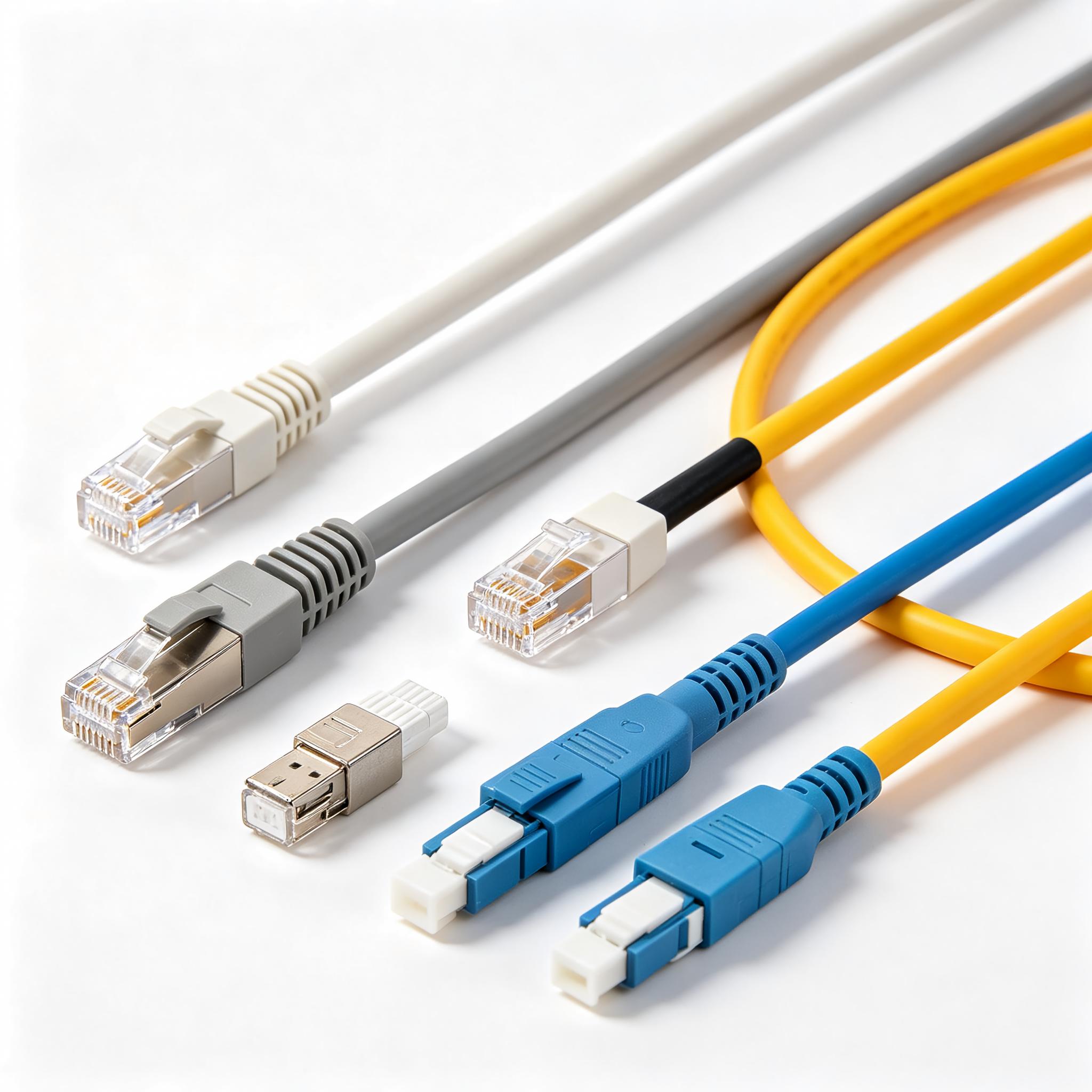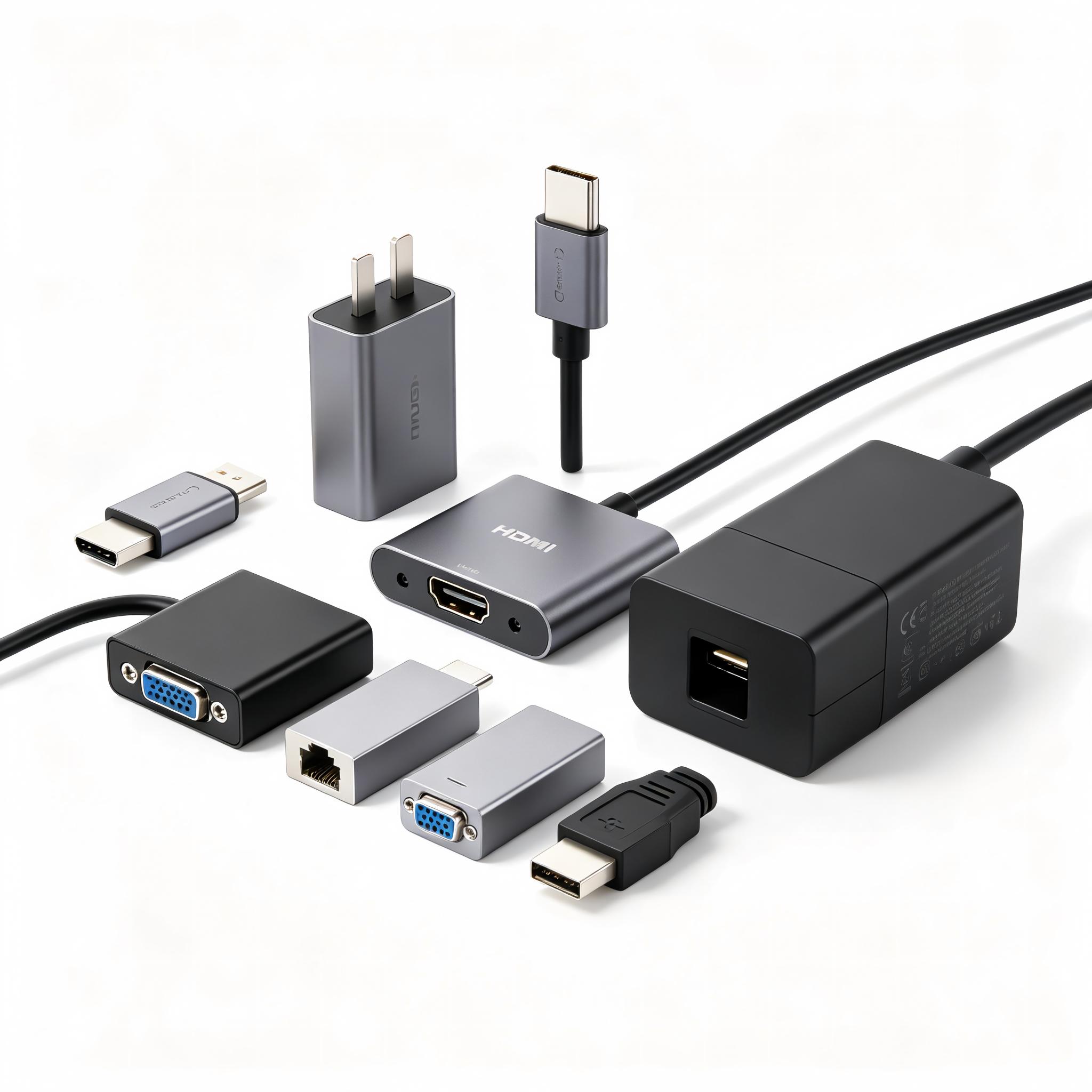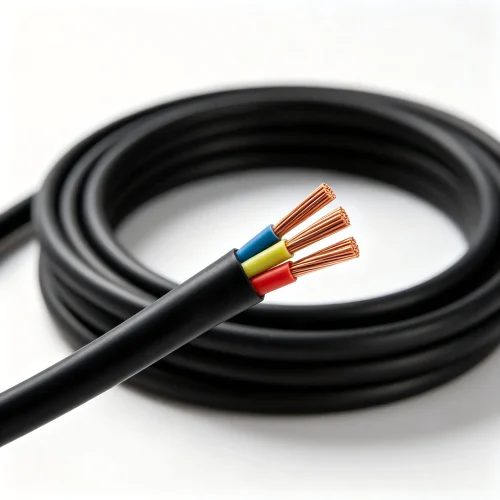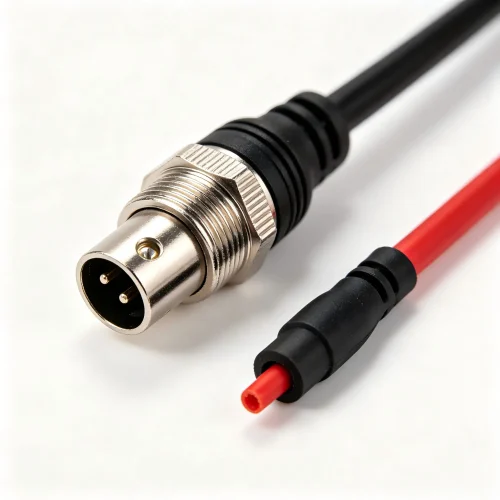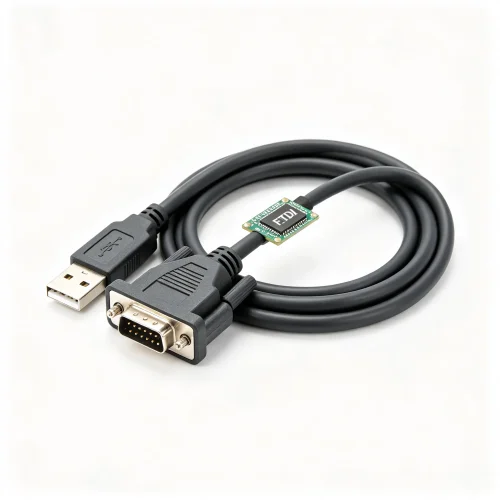
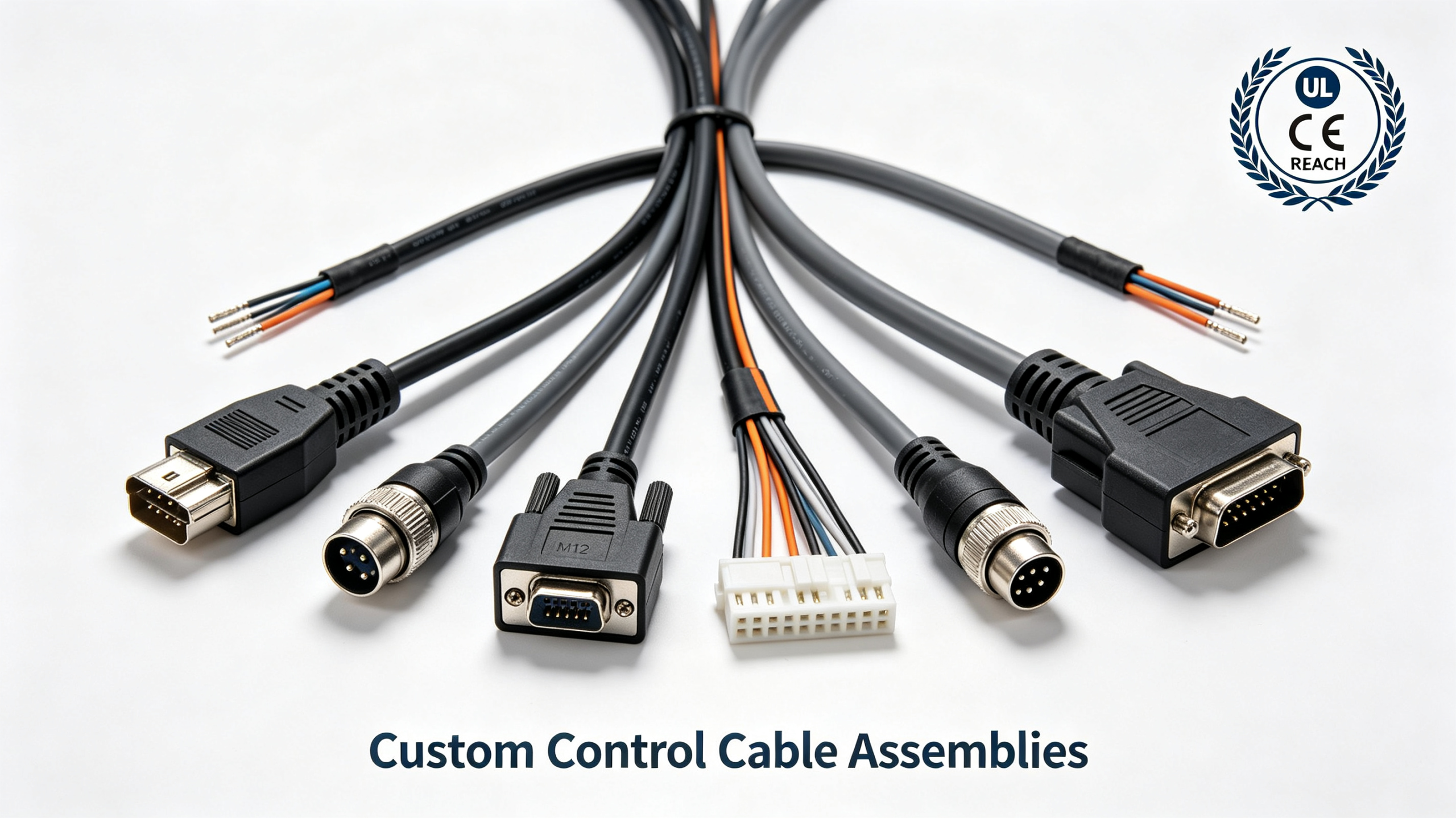
Cable export compliance is what turns a finished harness into a product a buyer can actually import, sell and plug in. For B2B cable and connector suppliers, the three marks that decide whether a shipment clears customs and lands on a distributor’s shelf are UL (North America), CE (European Economic Area) and RoHS (restricted substances, EU and many others). This checklist explains what each mark actually requires, where they overlap, and the documents you should demand from a manufacturer before you commit to a production PO.
Why Cable Export Compliance Matters Before You Source
A non-compliant cable does not fail at the factory — it fails at the border, or worse, in a recall six months after launch. The cost is rarely the component: it is the air-freighted rework, the held container, the lost distributor relationship, and the liability if a non-approved power cord contributes to a safety incident. Specifying the correct mark up front is cheaper than retrofitting it after tooling is paid for.
Compliance also shapes the bill of materials. A PVC jacket that is perfectly legal for one market may breach RoHS substance limits once certain phthalates or heavy metals are counted, so the material decision and the compliance decision are the same decision.
UL vs CE vs RoHS: What Each Mark Covers
These three are often lumped together, but they answer different questions. UL is largely a safety certification for the North American market; CE is a manufacturer’s declaration of conformity to EU directives (often backed by third-party testing); RoHS is a substance-restriction directive that limits hazardous materials in the finished product. The table below is the quick reference most procurement teams need.
| Mark | Primary market | What it proves | Typical basis for cable | Who issues it |
|---|---|---|---|---|
| UL | USA & Canada | Electrical safety, fire performance, construction | UL 62 (cord), UL 758 (appliance wiring), UL 444 (comms) | NRTL such as UL, ETL, CSA |
| CE | European Economic Area | Conformity to EU directives (LVD, EMC, RoHS) | EN 50525 series, EN 50395, harmonised standards | Manufacturer declaration + notified-body test report |
| RoHS | EU + many adopting markets | Restricted substances below threshold | Lead <0.1%, Cd <0.01%, restricted phthalates | Supplier declaration + material test report |
UL: Safety Certification for North America
In the USA and Canada, power and appliance cables are expected to carry an NRTL (Nationally Recognized Testing Laboratory) mark. UL is the most recognised, but ETL and CSA marks are equally valid where accepted. For AC power cords the relevant construction standard is UL 62; for internal appliance wiring it is UL 758. The mark tells the buyer the conductor size, insulation thickness and temperature rating were verified against a published standard — not just claimed on a datasheet.
CE: The EU Conformity Declaration
CE is not a single test; it is a manufacturer’s declaration that the product meets all applicable EU directives. For cables that usually means the Low Voltage Directive, the EMC Directive (where relevant), and RoHS. The practical proof a buyer wants is the EU Declaration of Conformity plus test reports referencing harmonised standards such as the EN 50525 family. Industrial communication and serial industrial cables that carry signals near noisy equipment should also address EMC performance.
RoHS: Restricted Substances, Not Performance
RoHS limits ten substances — lead, mercury, cadmium, hexavalent chromium, PBB, PBDE and four phthalates — at strict thresholds. It says nothing about whether the cable conducts well; it only governs what it is made of. Because it follows the product, a RoHS declaration is expected on virtually every electronic cable shipped to the EU, UK and an expanding list of other markets. Jacket and connector plating choices both feed this declaration.
Compliance Overlap by Cable Family
The same physical product often needs different evidence depending on where it sells. The matrix below shows the typical expectation; final scope must follow the destination’s current regulations.
| Cable family | UL | CE | RoHS |
|---|---|---|---|
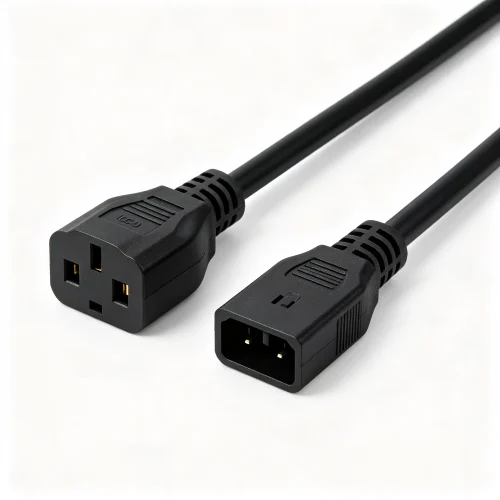
| Mains power cords | Expected (NRTL) | Required (LVD) | Required |
| USB & data cables | Recommended | Required (RoHS/EMC) | Required |
| Network & fiber patch | Recommended | Required (RoHS) | Required |
| Sealed panel-mount connectors | By application | Required (RoHS) | Required |
Cable Export Compliance Checklist for Your RFQ
Paste this list into your enquiry so the supplier quotes certified scope, not a hope:
- Target markets: name every country of sale — UL, CE and RoHS scope differ per destination.
- Required marks: UL / ETL / CSA, CE, RoHS, plus any regional extras (UKCA, PSE, KC, CCC).
- Applicable standards: UL 62 / 758 / 444, EN 50525, EN 50395, or the specific harmonised standard.
- Test reports: third-party report number, issuing lab, and issue date within validity.
- Declarations: EU Declaration of Conformity and RoHS material compliance declaration.
- Traceable marks: the physical print/molded mark on the cable and connector matches the certificate.
- Bill of materials: verified jacket, insulation and plating materials that meet substance limits.
- Validity window: certificate renewal date and how changes to the BOM are re-validated.
Common Compliance Mistakes B2B Buyers Make
The recurring errors are predictable. Buyers accept a “CE” sticker with no Declaration of Conformity behind it; they assume one NRTL mark covers every North American retailer when a specific buyer mandates UL; they treat RoHS as a one-time certificate when a material change silently voids it; and they forget that the connector, not just the cable, must carry its own compliant plating and housing declaration. Each gap is cheap to close at the quotation stage and expensive to close after a container is seized.
Work With a Supplier That Ships Certified
At SYY Cable we build to UL, CE and RoHS scope on request, keep current test reports and declarations on file per product family, and can supply the marked samples and paperwork your customs broker needs before mass production. If you are locking down a compliance specification for a new market, send us the destination list and target standard.
Request a certified cable quote and documentation pack — our team replies with marking options and lead times within one business day.