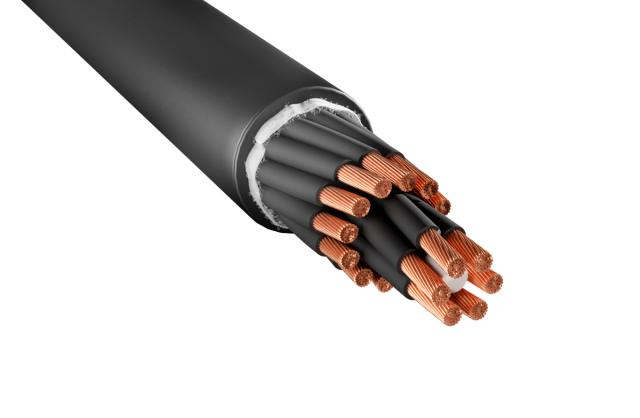
Cable labeling is one of the most frequently underestimated specifications in an industrial wire harness or cable assembly order — yet it is also one of the cheapest ways to prevent field miswiring, installation delays, and costly downtime during commissioning and maintenance. For B2B buyers sourcing from an overseas cable manufacturer, a clear marking scheme should be treated as a first-class requirement, not an afterthought.
What Is Cable Labeling and Why It Matters
At its simplest, cable labeling is the practice of applying legible, durable identifiers to individual wires, bundles, or connectors so that any technician on the shop floor, in the field, or in a service depot can trace a circuit without guesswork. In machinery, control panels, and industrial automation, clear marking is not cosmetic — it is a safety, compliance, and lifecycle requirement. Standards such as IEC 60204-1 (machinery electrical equipment) and NFPA 79 (industrial machinery) expect conductors to be identifiable, and auditors will flag an unmarked panel.
Beyond compliance, good cable labeling pays for itself. A maintenance engineer who can identify a faulted loop in seconds instead of minutes reduces mean-time-to-repair dramatically. On complex builds with hundreds of circuits, the absence of identification is the single most common cause of rework during first assembly.
Common Cable Labeling & Marking Methods
Several marking technologies are available, each with trade-offs in durability, minimum order quantity, and unit cost. The table below compares the options most relevant to custom cable and harness projects.
| Method | Best for | Durability | MOQ impact |
|---|---|---|---|
| Heat-shrink & printed sleeves | Permanent ID on bundles & individual wires | High (abrasion, solvent, oil) | Low |
| Laser etching | Metal/PE jackets, premium harnesses | Very high (no ink to fade) | Medium |
| Inkjet / thermal printing | High-volume, variable data | Medium (UV fade over time) | Low |
| Flag tags / wrap labels / ties | Field service, rework, prototypes | Medium (can be removed) | Very low |
Heat-Shrink & Printed Sleeves
Printed heat-shrink tubing is the industry default for permanent wire identification. It survives solvents, abrasion, and temperature cycling, and it stays legible for the life of the equipment. Specify the sleeve diameter, shrink ratio (commonly 2:1 or 3:1), and print content per wire.
Laser Etching & Inkjet Printing
Laser marking on the jacket itself leaves no label to peel off — ideal for harsh or washdown environments. Inkjet is faster for high-mix orders but should be validated for UV stability if the cable sees outdoor or sunlight exposure.
Cable Ties, Flag Tags & Wrap-Around Labels
For prototypes and field retrofits, flag tags and wrap labels are inexpensive and reversible. They are not a substitute for permanent marking on a production harness, but they are useful for temporary commissioning identification.
Marking Codes & Standards You Should Specify
The identifier itself must follow a scheme your team can read at a glance. Common conventions are summarized below. For control and signal wiring, referencing IEC 60446 / DIN 47100 color-and-number codes keeps your build aligned with international practice.
| Code type | Example | When to specify |
|---|---|---|
| Sequential numeric | W1, W2, W3 | Simple harnesses, low channel count |
| Function-based | +24V, GND, CAN_H | Power and signal circuits |
| Color + number | BK1, RD2 | IEC 60446 loop identification |
| Customer part number | SY-AB-123 | Full traceability / after-sales |
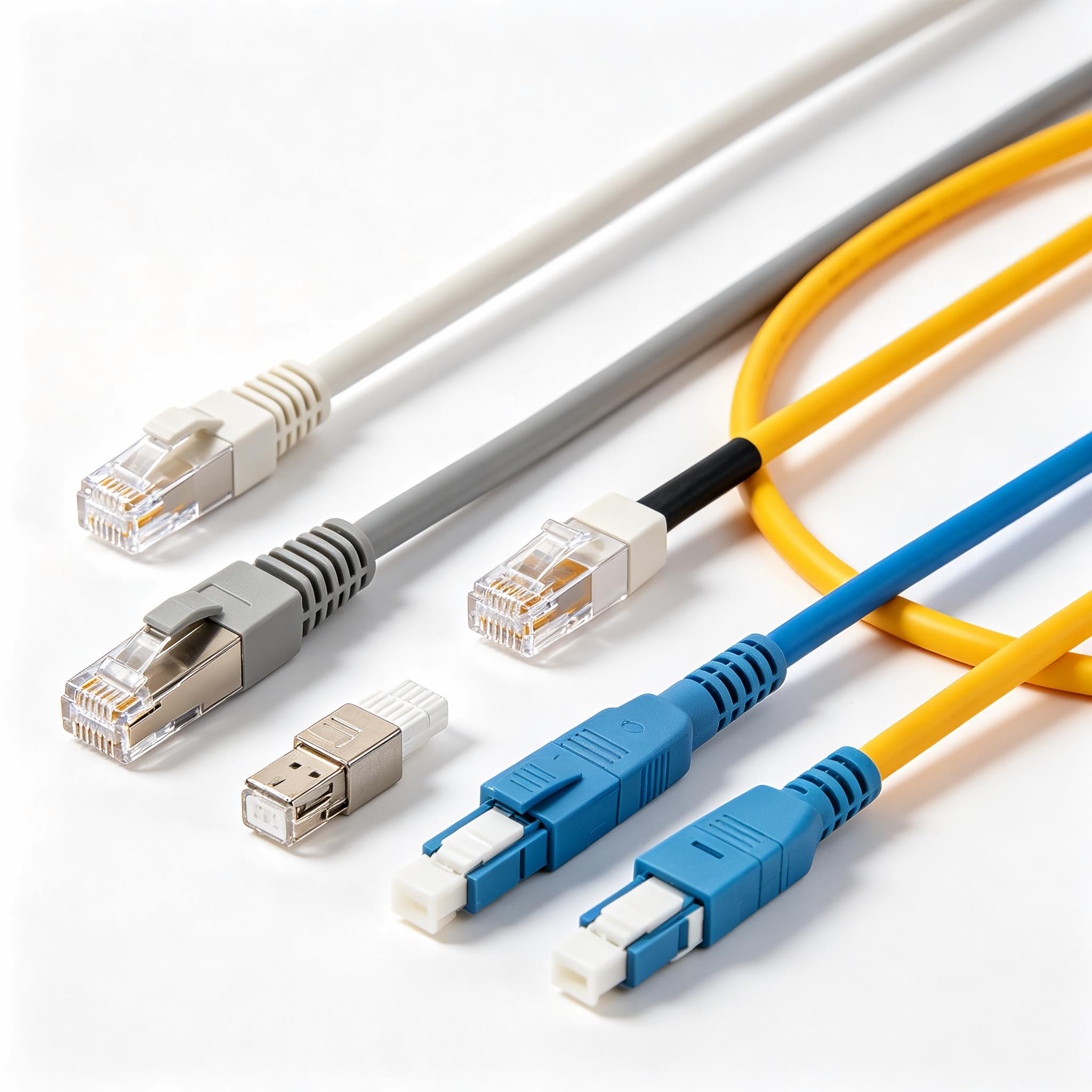
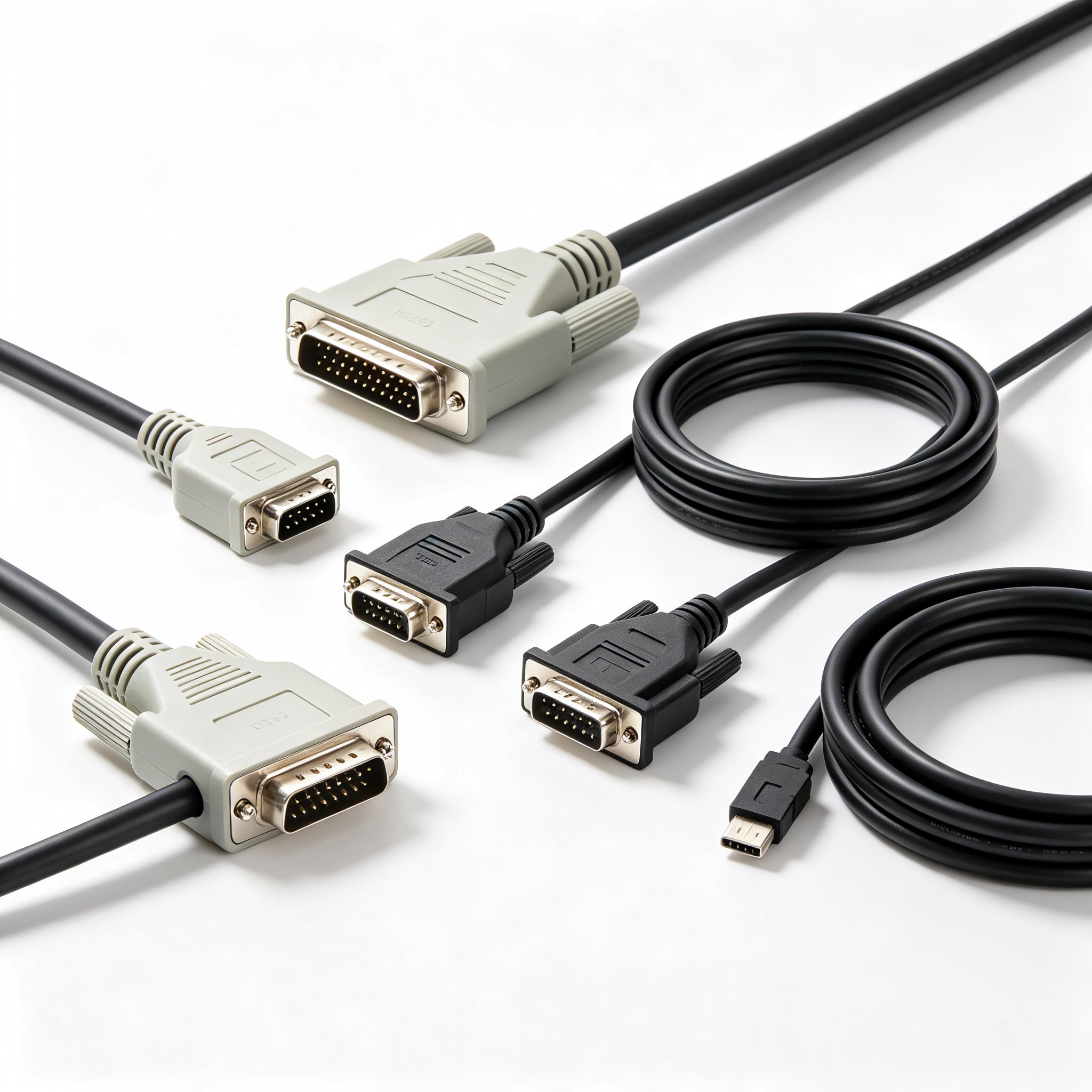
Our serial & industrial communication cables and network & fiber cables are routinely delivered with customer-defined marking schemes, from simple numeric tags to full function-based legends on every conductor.
How to Specify Cable Labeling in an RFQ
A well-written RFQ removes ambiguity and prevents the supplier from guessing. Include the following points whenever you request marked cables or harnesses:
- Marking method — heat-shrink sleeve, laser etch, inkjet, or tag.
- Code scheme — sequential, function-based, color+number, or your part numbers.
- Content per mark — exact text, length limits, and font size for readability.
- Placement — distance from the connector, both ends, or every breakout.
- Material & rating — UV/solvent resistance, temperature range, and flame class.
- Redundancy — both ends marked, plus a master wiring schedule if needed.
- Compliance — reference the standard (e.g., IEC 60204-1, NFPA 79) you must meet.
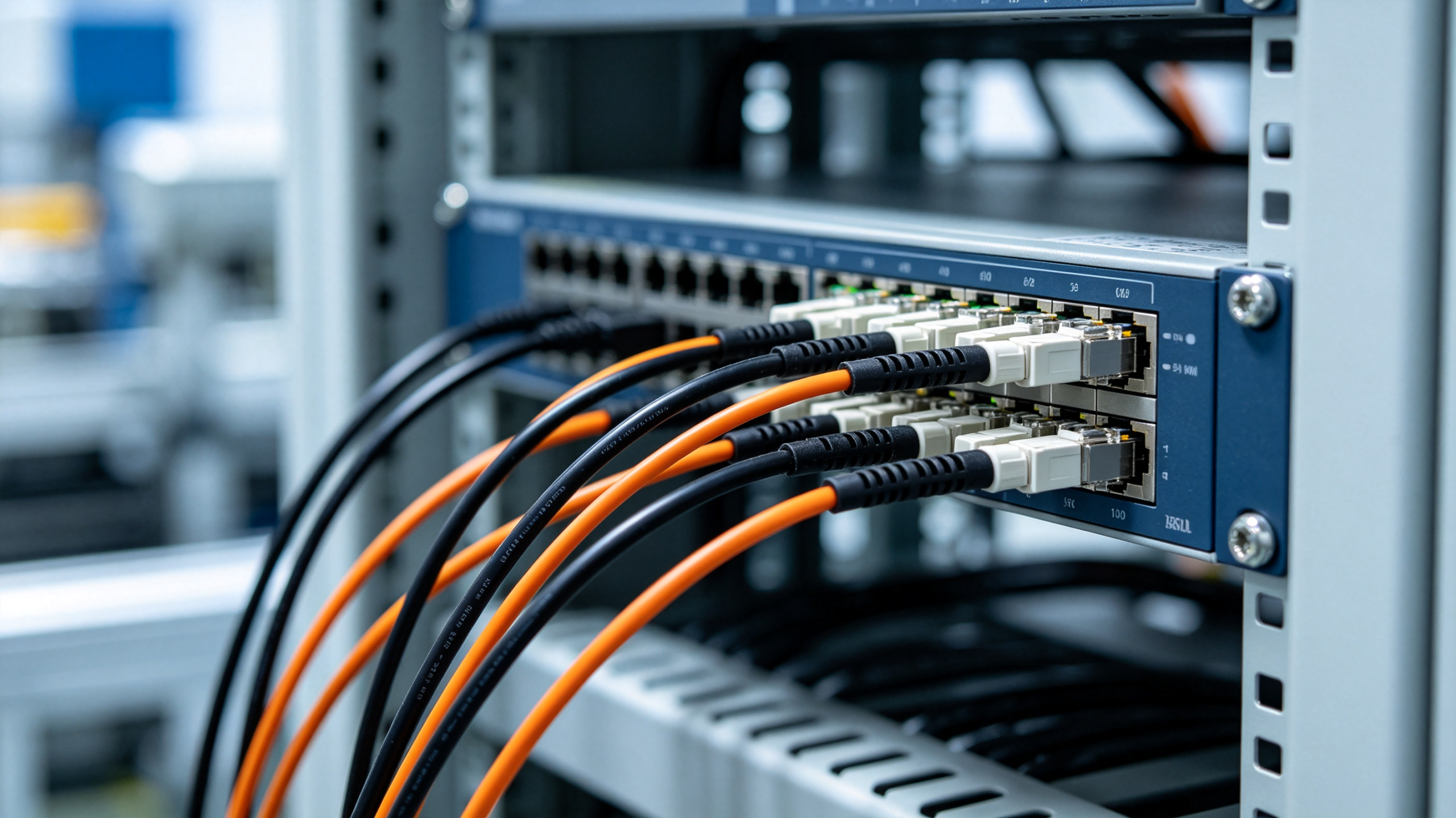
For a broader view of how identification fits into an organized install, see this overview of cable management practices.
Common Cable Marking Mistakes to Avoid
Even experienced buyers slip on a few recurring points. Watch for: fonts too small to read at arm’s length; labels whose material cannot survive the operating environment (a printed sleeve that cracks in cold or fades in sunlight); single-ended marking that forces the installer to trace the other end; and inconsistent schemes across a project that defeat the purpose of identification. Specify the standard explicitly rather than assuming the factory “knows the usual way.”
Conclusion
Clear, durable cable labeling is a low-cost, high-impact line item on every cable and harness RFQ. Define the method, the code scheme, the placement, and the environmental rating up front, and you will cut commissioning time and service errors across the equipment’s life. If you need help translating your marking requirements into a build-ready specification, our engineering team can review your drawings and propose a scheme that meets your compliance target.
Contact our team to discuss your next marked cable or wire harness order.