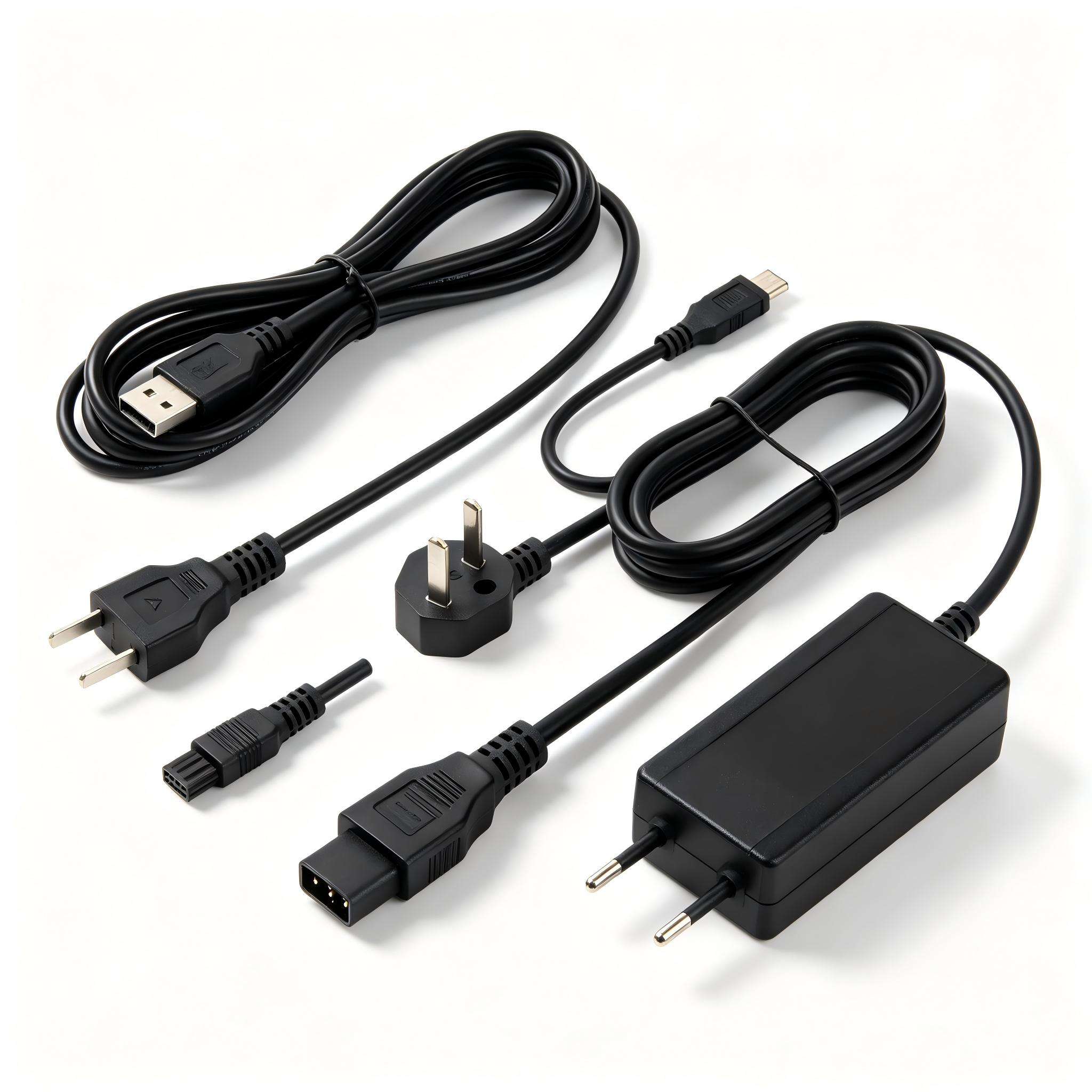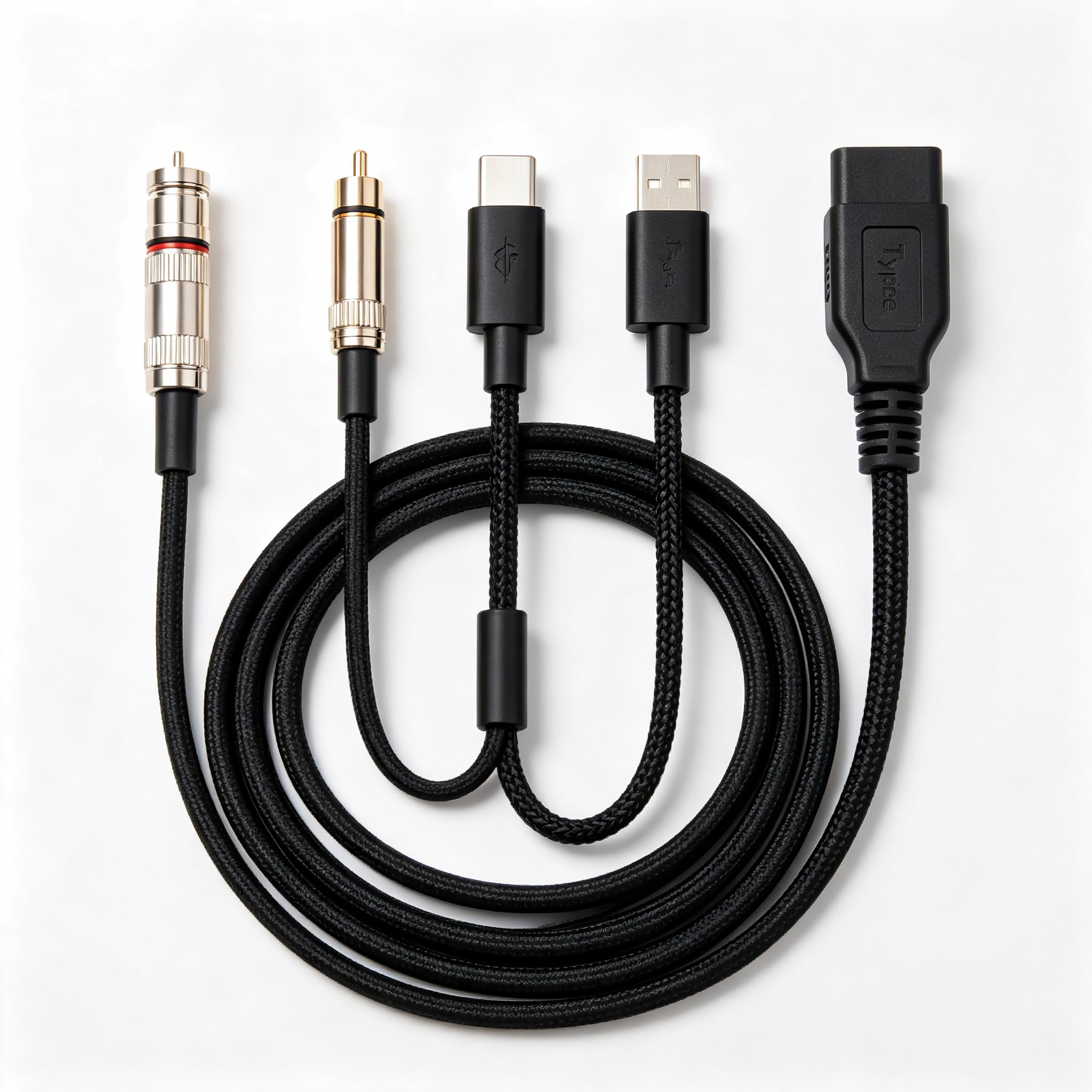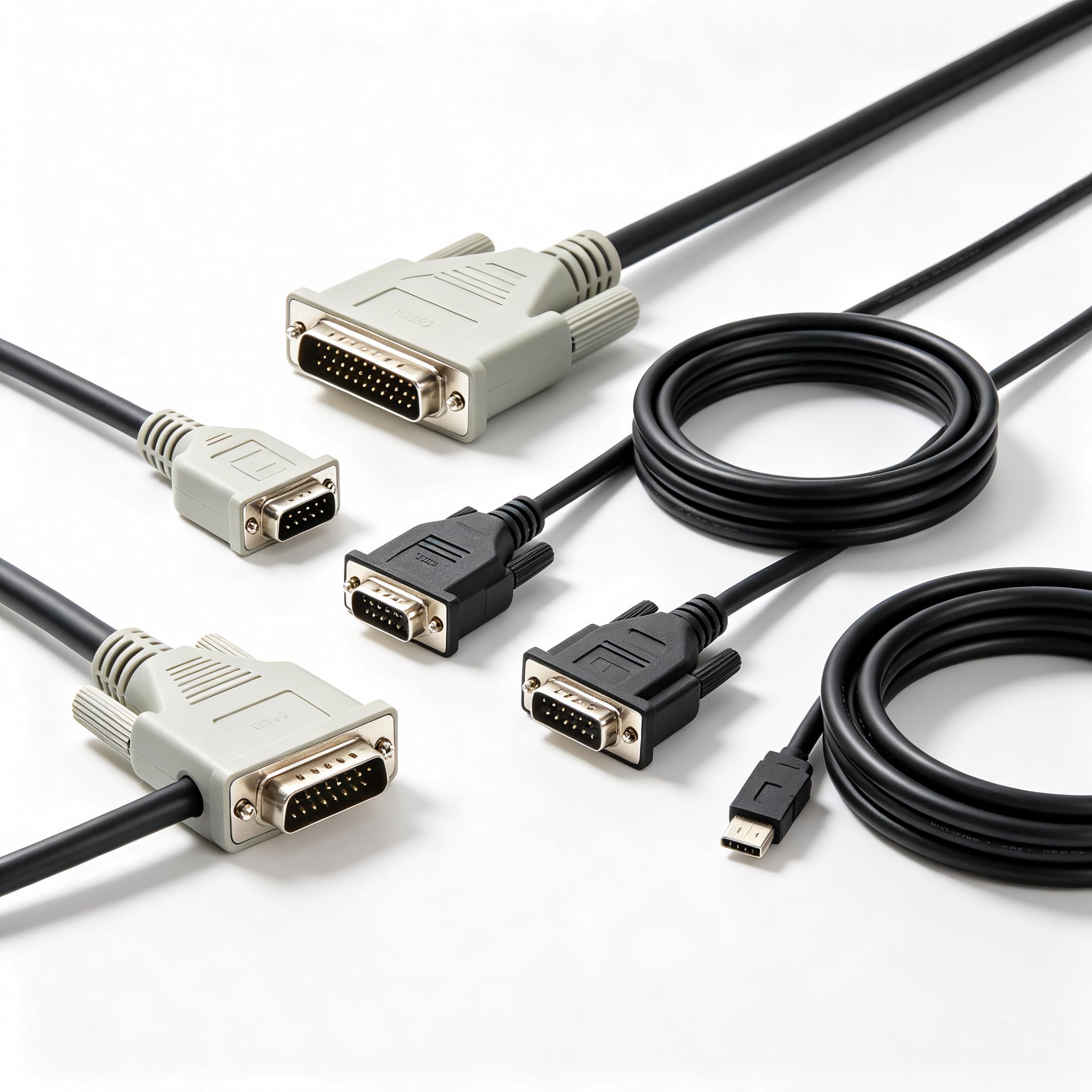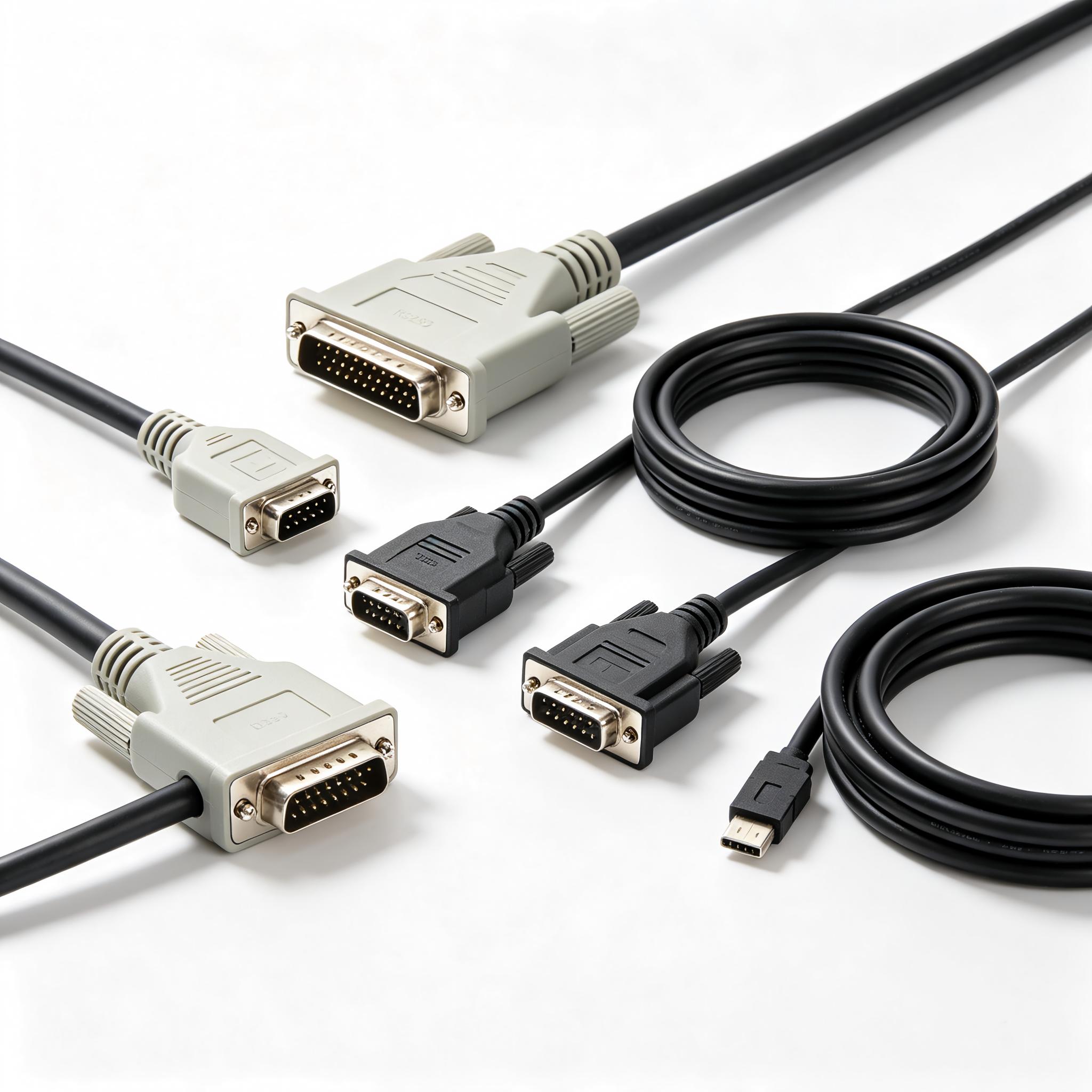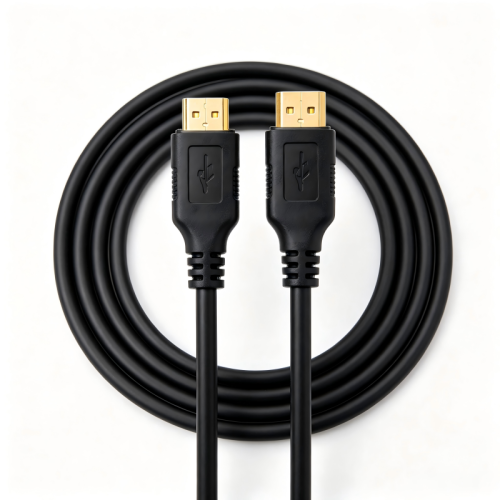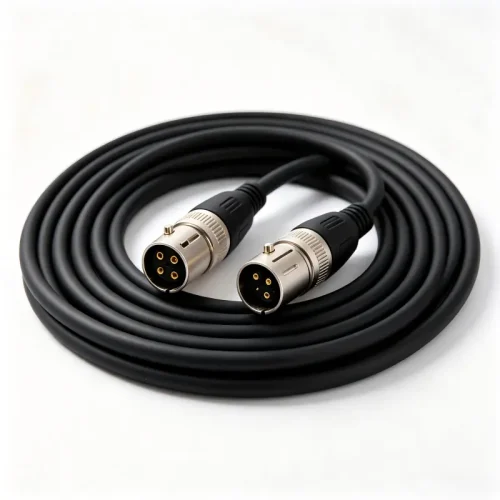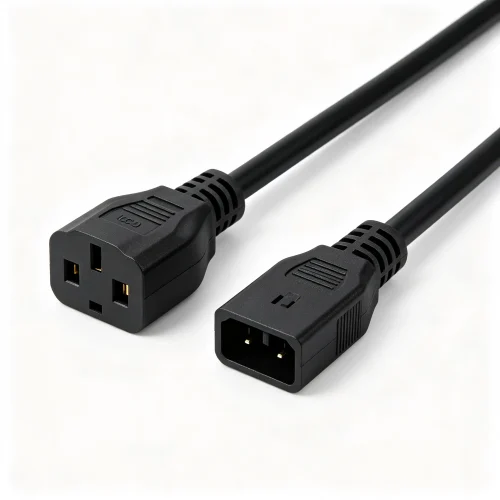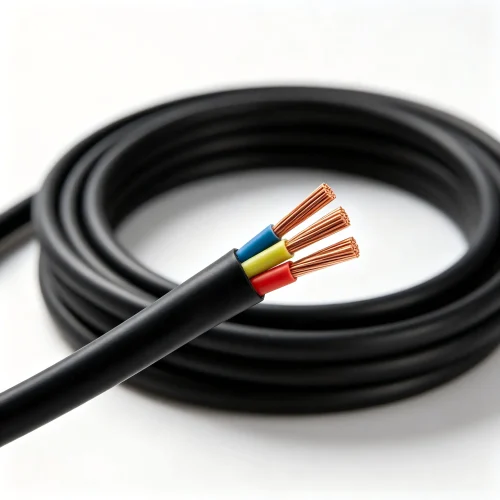
Choosing a cable with the right cable flex life is the single most overlooked decision in industrial procurement – a cable that sits still in a cabinet can last twenty years, while the same cable installed in a drag chain can crack within six months. Flex life is not a marketing phrase; it is a measured number of bend cycles a conductor survives before its resistance drifts past a defined limit. This guide explains how flex life is tested, how drag chain rating works, and how to specify moving cables correctly in an RFQ.
What Is Cable Flex Life?
Cable flex life is the number of repeated bend cycles a cable endures before failure, measured under a standardised test profile. In a typical test, one end of the sample is clamped and the free end is bent back and forth through a defined angle at a defined rate – often sixty cycles per minute – while continuity is monitored. The test ends when a conductor breaks or its resistance rises beyond the acceptance threshold. The reported figure is a statistical minimum for the batch, not a guarantee for every individual cable.
Two factors dominate the result. The first is bend radius: halving the radius can cut flex life by an order of magnitude, which is why every credible test report states the radius used. The second is construction: fine stranding, compacted cores, and lap-foil-plus-braid shields survive repeated bending far better than heavy solid or coarse-stranded designs built for static installation.
How Flex Life Is Tested: Standards Comparison
| Test method | Bend profile | Typical use | Reported as |
|---|---|---|---|
| UL 1581 flex test | Repeated mandrel bend at 60 cpm | General cable qualification | Cycles to failure |
| IEC 60811 / EN 50396 bend test | Bend cycles around a fixed mandrel | Low-voltage power cables | Cycles to failure |
| Torsion test | Repeated twisting cycle | Robotic and coiled cables | Cycles to failure |
| Drag chain travel test | Continuous travel in a carrier | Machine tools and automation | Cycles / metres travelled |
Read the small print: two cables both rated “5 million cycles” are not equivalent if one was tested at five times its diameter and the other at ten. Always ask for the bend radius and the cycle rate behind every flex-life claim before comparing datasheets.
Drag Chain Rating: Why Moving Cables Fail
A drag chain – also called an energy chain or cable carrier – feeds power and data to machine axes that travel continuously. Inside the carrier, the cable bends twice per chain link with every pass, so a five-metre machine accumulating two hundred metres of travel per hour can put hundreds of thousands of bend cycles on the cable each month. Cables in this duty fail in a predictable pattern: shield braid fracture along the neutral axis, conductor breakage at the point of maximum strain, and eventually insulation cracks from combined bending and torsion.
That is why drag chain cable is a distinct product family rather than a marketing tier. It uses ultra-fine stranded conductors, often with a compacted or bundled core, a highly flexible PUR jacket that resists abrasion and oil, and a shield construction that survives being crushed between adjacent cores. The jacket matters more than buyers expect: PUR has become the machinery default because it combines cut resistance, oil resistance, and low-temperature flexibility in one material.
Static vs Moving Cable: Specification Comparison
| Parameter | Static installation | Continuous flex / drag chain |
|---|---|---|
| Conductor | Solid or coarse-stranded | Ultra-fine stranded, compacted core |
| Jacket | PVC, LSZH or TPE | PUR (abrasion and oil resistant) |
| Shield | Foil or braid | Lapped foil plus braid, anti-kink core |
| Minimum bend radius | 4-8x diameter | 7.5-12x diameter |
| Typical flex life | Not rated for cycles | 1-10 million cycles |
| Price premium | Baseline | Roughly 1.5-3x baseline |
The premium is real, but the alternative – replacing a failed drag chain cable every six months plus the unplanned downtime it causes – costs far more. For moving axes, flexible cable is the only economical specification.
How to Specify Flex Life in an RFQ
- State the duty cycle – travel per hour, cycles per day, and expected service years, because cycle counts only mean something next to usage.
- Define the bend radius – both the chain’s minimum bend radius and the radius you will actually route at installation.
- Require the flex test data – cycles achieved, test radius, and cycle rate, not just the phrase “high flex”.
- Specify the environment – oil, coolant, temperature range, and abrasion exposure drive the jacket and shield choice.
- Ask for the torsion rating – robotic and spiral applications need it, and it is rarely printed on a standard datasheet.
- Confirm the fill factor – a chain carrier filled to roughly sixty percent lets cores move without crushing each other.
Common Flex-Life Mistakes in B2B Procurement
The first mistake is assuming any cable survives a drag chain because it is labelled “industrial”. The second is mixing static and dynamic cable in the same carrier, which shortens the life of the whole bundle to that of the weakest member. A third is ignoring bend radius during installation – forcing a flexible cable into a tighter radius than its rating voids the cycle count on day one. Finally, many buyers accept a cycle count without asking at what radius it was measured, which is the single most common way a “5 million cycle” cable disappoints in the field.
The physics behind these failures is well documented – see the material fatigue reference on Wikipedia for how repeated bending accumulates damage far below a material’s single-bend strength. For machinery duty, browse our serial and industrial communication cables and network and fibre cables ranges, both available in drag-chain-rated constructions, or our power cords and power cables for mains feeds on moving axes.
Tell us your travel distance, axis speed, and environment, and our engineering team will specify a drag-chain-rated assembly with the flex test data to prove the cycle count. Contact our team to get started.